
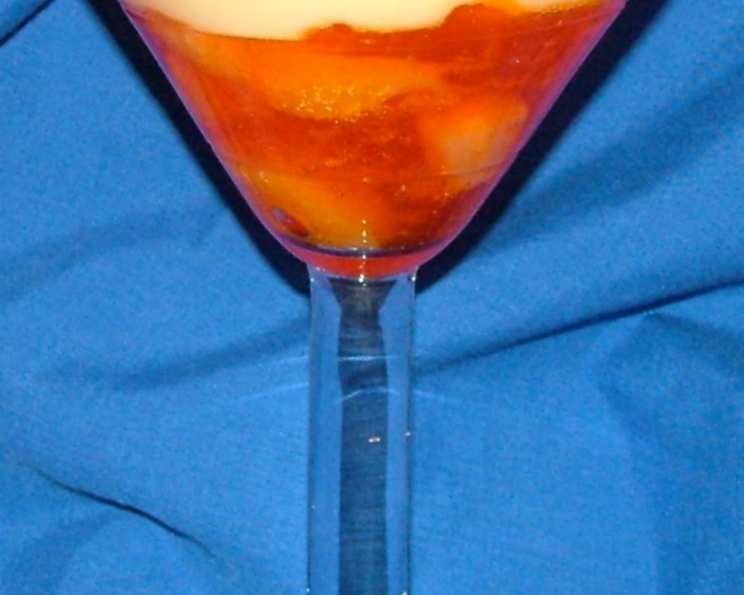
Orange Pineapple Gelatin: A Nostalgic Delight
I can almost smell it now: the faint, sweet aroma of artificial orange mingling with the bright, tropical scent of pineapple. As a child, orange gelatin desserts were a staple at family gatherings. My grandmother, a master of classic American desserts, always had a jiggly, brightly colored bowl of this stuff ready to be devoured. It was simple, almost absurdly so, but its refreshing, playful texture was pure magic on a hot summer day. Even now, the taste instantly transports me back to her kitchen, filled with laughter, sunlight, and the comforting certainty of a sweet treat.
Recipe Overview
- Prep Time: 15 minutes
- Cook Time: 2 minutes
- Total Time: 4 hours 15 minutes
- Servings: 10
- Yield: About 6 cups
- Dietary Type: Vegetarian
Ingredients
- 1 (8 ounce) can pineapple chunks in juice, undrained
- Cold water
- 1 1⁄2 cups boiling water
- 1 (5 ounce) package Jell-O brand orange gelatin
- 1 (11 ounce) can mandarin orange segments, drained
Equipment Needed
- Large Bowl
- Measuring Cups
- Spoon
- 6-cup Serving Bowl
Instructions
- Begin by draining the canned pineapple chunks, carefully reserving the juice in a separate container.
- To the reserved pineapple juice, add enough cold water to bring the total liquid volume up to 2 cups. Set this mixture aside.
- In a large bowl, combine the boiling water and the orange gelatin.
- Stir continuously for at least 2 minutes, or until the gelatin is completely dissolved. It is critical to ensure no granules remain for the best texture.
- Stir in the reserved pineapple juice and cold water mixture.
- Refrigerate the mixture for approximately 1 1/2 hours, or until it has thickened to the consistency of unbeaten egg whites. You should be able to draw a spoon through it and leave a definite impression. This step is important because it suspends the fruit more evenly.
- Once the gelatin has thickened appropriately, stir in the pineapple chunks and the drained mandarin orange segments.
- Spoon the mixture into a 6-cup serving bowl.
- Refrigerate for at least 4 hours, or until the gelatin is completely firm.
- Garnish as desired before serving.
- Store any leftover gelatin in the refrigerator.
Expert Tips & Tricks
Achieving the perfect texture with gelatin is key. One common mistake is not fully dissolving the gelatin granules in the boiling water. This can result in a grainy texture. Make sure you stir vigorously for the full two minutes, and don’t be afraid to check the bottom of the bowl to ensure there are no undissolved granules lurking there.
The refrigeration time is also crucial. Under-refrigerating will result in a wobbly, unstable dessert, while over-refrigerating can make it too firm. The “unbeaten egg white” consistency is the sweet spot for adding the fruit.
For a more intense orange flavor, consider adding a teaspoon of orange extract to the mixture after dissolving the gelatin. You could also substitute some of the cold water with orange juice.
To prevent the fruit from sinking to the bottom of the bowl, make sure the gelatin is sufficiently thickened before adding the pineapple and mandarin oranges. Another tip is to toss the fruit lightly in a bit of cornstarch before adding it to the gelatin; this will help them stay suspended.
Serving & Storage Suggestions
This Orange Pineapple Gelatin is best served chilled, straight from the refrigerator. It makes a refreshing dessert on its own, or you can pair it with whipped cream or a dollop of Greek yogurt for added richness. A sprig of mint or a few fresh berries can elevate the presentation.
Leftovers should be stored in an airtight container in the refrigerator. Properly stored, the gelatin will last for up to 3-4 days. Keep in mind that the texture may change slightly over time, becoming a bit firmer.
Avoid freezing this dessert, as the texture will become grainy and watery upon thawing. It is best enjoyed fresh.
Nutritional Information
| Nutrient | Amount per Serving | % Daily Value |
|---|---|---|
| Calories | 192.2 kcal | N/A |
| Calories from Fat | 1 g | N/A |
| Total Fat | 0.1 g | 0% |
| Saturated Fat | 0 g | 0% |
| Cholesterol | 0 mg | 0% |
| Sodium | 199.6 mg | 8% |
| Total Carbohydrate | 46.2 g | 15% |
| Dietary Fiber | 0.8 g | 3% |
| Sugars | 43.2 g | N/A |
| Protein | 3.7 g | 7% |
Note: Percent Daily Values are based on a 2,000 calorie diet. Nutritional information is an estimate and may vary based on specific ingredients and preparation methods.
Variations & Substitutions
While this recipe is delicious as is, there are many ways to customize it to your liking.
- Dietary Restrictions: If you’re looking for a vegetarian option, most commercial gelatin is derived from animal collagen, and this recipe already fits that requirement. Gelatin is not Vegan.
- Fruit Swaps: Feel free to experiment with different types of fruit. Canned peaches, sliced strawberries, or even fresh grapes would all be delicious additions. Just be sure to adjust the liquid accordingly if you’re using fresh fruit, as they may release more moisture.
- Flavor Enhancements: A splash of citrus liqueur, such as Grand Marnier or Cointreau, can add a sophisticated twist to the flavor profile. Just be sure to add it after the gelatin has dissolved in the boiling water.
FAQs (Frequently Asked Questions)
Q: Can I use sugar-free gelatin to reduce the sugar content?
A: Yes, you can substitute sugar-free gelatin. Keep in mind that it might alter the taste slightly, so adjust the sweetness to your liking.
Q: How can I make this gelatin dessert more festive for a party?
A: Try layering the gelatin with different colors or textures. For example, you could create a striped effect by partially setting one layer of gelatin before adding another. Garnish with fresh fruit, whipped cream, or even edible flowers.
Q: What can I do if my gelatin doesn’t set properly?
A: The most common reason for gelatin not setting is an incorrect ratio of liquid to gelatin powder. Ensure you’re using the correct measurements and allowing sufficient time for the gelatin to fully dissolve. Also, be sure your refrigerator is cold enough.
Q: Can I use fresh pineapple instead of canned?
A: Fresh pineapple contains an enzyme called bromelain that can prevent gelatin from setting properly. If you want to use fresh pineapple, you’ll need to cook it first to deactivate the enzyme. Boiling it for a few minutes should do the trick. Let it cool before adding to the recipe.
Q: How long does the gelatin need to chill before serving?
A: For best results, chill the gelatin for at least 4 hours, or even overnight. This allows the gelatin to fully set and develop its characteristic jiggly texture.
Final Thoughts
This Orange Pineapple Gelatin is more than just a dessert; it’s a nostalgic trip down memory lane. Its simple flavors and playful texture make it a perfect treat for any occasion, from casual family dinners to festive gatherings. Don’t be afraid to experiment with different fruits and flavorings to create your own signature version. I encourage you to try this recipe and share your creations with friends and family. And most importantly, don’t forget to have fun with it! Let me know in the comments what little tweaks you make to this recipe. Happy cooking!