
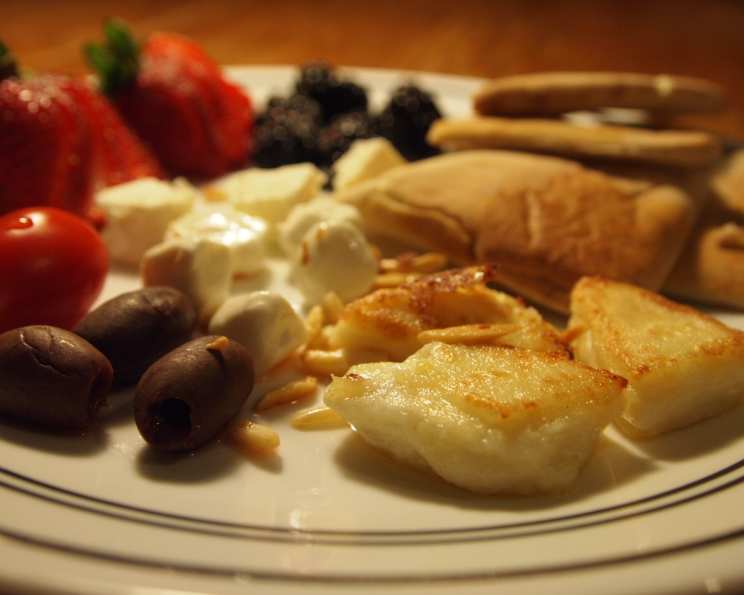
Our Arab Breakfast (With Gluten-Free Option)
The scent of cardamom-infused tea always transports me back to my grandmother’s kitchen in Beirut. Sunlight streamed through the window as she laid out a vibrant spread on a low table. We’d sit on cushions, dipping warm pita bread into creamy hummus and tangy labneh, the air filled with laughter and the comforting aroma of freshly fried halloumi. It wasn’t just a meal; it was a celebration of family and tradition, a moment of connection fueled by simple, delicious flavors. This breakfast is a taste of home, wherever I am.
Recipe Overview
- Prep Time: 15 minutes
- Cook Time: 10 minutes
- Total Time: 25 minutes
- Servings: 3-4
- Dietary Type: Varies (see ingredients)
Ingredients
For the Breakfast Tea:
- 3 orange pekoe tea bags (I use Tetley tea bags)
- 2 ½ cups water
- Heavy cream (or half-and-half)
- 6 teaspoons white sugar (to taste)
- 7 cardamom pods, crushed slightly
For the Cheese Preparation:
- 1 tablespoon olive oil (a good quality, please!)
- Halloumi cheese (Haloom, Arabic, hellim – Turkish)
- ¼ cup all-purpose flour (to be gluten-free, I use white rice flour or a mix with tapioca starch in ½ the amount)
- 1 lemon, cut in half
The Rest:
- 1 large pita bread (1 bag, do NOT use if gluten-free)
- Rice crackers (optional, for the gluten-free)
- ¼ cup butter, sliced
- Yogurt cheese balls in oil or goat feta cheese, sliced
- Assorted gourmet olives
- Hummus (homemade or store-bought, ours tends to be the latter)
- Assortment of fresh fruit, cut up into chunks (lovely sprinkled with orange blossom water & sugar if needed)
Equipment Needed
- Medium saucepan
- Frying pan
- Plates or bowls for serving
Instructions
- Prepare the Tea: In a medium saucepan, heat the water and crushed cardamom pods, covered, until boiling.
- Steep the Tea: Drop in the tea bags, cover, and simmer for about 1 ½ minutes.
- Sweeten and Enrich: Add the sugar to taste, along with the heavy cream or half-and-half. Continue simmering and adjusting the cream to your desired amount, prioritizing taste over fat content. This is your breakfast tea (you could also use your favorite tea recipe, if preferred). Serve in regular teacups or mugs.
- Prepare the Halloumi: Slice the halloumi cheese into thick slices and rinse with water. Do not dry the cheese.
- Coat the Cheese: Place the flour (or gluten-free alternative) on a flat surface. Dip each piece of halloumi cheese in the flour, coating all sides lightly. You may use just half the package of cheese, depending on your preference.
- Fry the Halloumi: Heat the olive oil in a frying pan over medium-high heat. Fry the cheese slices until lightly golden, reducing the heat as needed to prevent burning.
- Serve the Halloumi: Remove the fried halloumi to a plate and place the halved lemon around it to squeeze on top while eating.
- Assemble the Breakfast Spread: Place the butter, cheeses, gourmet olives, and hummus (drizzled with some extra virgin olive oil) on their own plates or in bowls.
- Prepare the Fruit: Arrange the fresh fruit, cut into chunks, on a separate plate or in a bowl. If desired, sprinkle the fruit with orange blossom water and sugar.
- Set the Scene: Traditionally, this breakfast is served on a low table or blanket/newspapers on the floor. This is both traditional and in keeping with Islamic customs.
- Warm the Bread: Heat the pita bread until warm using your preferred method just before serving.
- Serve and Enjoy: Lay out spoons for the fruit. Scoop up the cheeses, olives, and hummus in the pita bread, pulled in half. (That’s the traditional way to do it!) Serve rice crackers alongside for those who are gluten-free.
Expert Tips & Tricks
- Cardamom Infusion: For a stronger cardamom flavor in your tea, gently bruise the pods with the flat side of a knife before adding them to the water.
- Halloumi Frying: Don’t overcrowd the pan when frying the halloumi. Fry in batches to ensure even browning and prevent the cheese from sticking together.
- Gluten-Free Halloumi: When using rice flour for the halloumi, mix it with a little tapioca starch for better binding and a lighter coating.
- Hummus Boost: Elevate store-bought hummus by swirling in a drizzle of good quality olive oil and sprinkling with paprika or za’atar.
- Fruit Prep: Prepare the fruit just before serving to prevent browning and maintain its freshness. A squeeze of lemon juice can also help.
Serving & Storage Suggestions
This Arab breakfast is best served immediately to enjoy the warm pita bread and freshly fried halloumi. Leftover halloumi can be stored in an airtight container in the refrigerator for up to 3 days. Reheat gently in a pan or microwave. Other components like olives, yogurt cheese, and hummus can also be stored in the refrigerator in airtight containers. The fresh fruit is best consumed the same day, but any remaining can be stored in the refrigerator for up to 24 hours. The tea, once brewed, is best consumed immediately, but can be reheated gently.
Nutritional Information
(Note: These are approximate values and can vary based on specific ingredients used.)
| Nutrient | Amount per Serving | % Daily Value |
|---|---|---|
| Calories | 450 kcal | 23% |
| Total Fat | 25g | 38% |
| Saturated Fat | 15g | 75% |
| Cholesterol | 50mg | 17% |
| Sodium | 400mg | 17% |
| Total Carbohydrate | 40g | 13% |
| Dietary Fiber | 3g | 12% |
| Sugars | 12g | N/A |
| Protein | 10g | 20% |
Variations & Substitutions
- Vegan Option: Substitute the halloumi with fried tofu or marinated tempeh. Use plant-based yogurt and cream alternatives for the tea.
- Spicy Kick: Add a pinch of red pepper flakes to the olive oil when frying the halloumi for a spicy kick.
- Herb Infusion: Infuse the olive oil with fresh herbs like thyme or rosemary before frying the halloumi for added flavor.
- Seasonal Fruit: Adjust the fresh fruit selection based on what is in season. Berries in the summer, apples and pears in the fall, citrus in the winter, and stone fruits in the spring.
- Regional Cheeses: Experiment with different types of cheeses from the region, such as Akkawi or Nabulsi cheese.
FAQs (Frequently Asked Questions)
Q: Can I make the tea ahead of time?
A: While freshly brewed tea is best, you can prepare it ahead of time and reheat it gently before serving. Be aware that the flavor might change slightly upon reheating.
Q: What if I can’t find halloumi cheese?
A: Halloumi is a unique cheese, but you can substitute it with paneer or a firm, salty cheese that holds its shape when fried.
Q: How can I make the hummus more flavorful?
A: Drizzle extra virgin olive oil, sprinkle paprika or za’atar, and add a dollop of tahini to your store-bought hummus to enhance its flavor.
Q: Is it necessary to sit on the floor to enjoy this breakfast?
A: No, sitting on the floor is just a traditional way to enjoy the meal, but you can certainly enjoy it at a table if you prefer.
Q: What kind of fruit works best with this breakfast?
A: A variety of fresh, seasonal fruits is ideal. Berries, melon, grapes, figs, and dates all complement the savory elements of the breakfast.
Final Thoughts
This Arab breakfast is more than just a meal; it’s an experience. It’s about slowing down, connecting with loved ones, and savoring the simple pleasures of life. The combination of salty cheese, creamy hummus, sweet fruit, and aromatic tea creates a symphony of flavors that will tantalize your taste buds and transport you to a faraway land. I encourage you to gather your friends and family, prepare this delightful spread, and create your own unforgettable memories around the table – or perhaps, on the floor. Share your experiences and variations, and let the flavors of the Arab world brighten your day.