
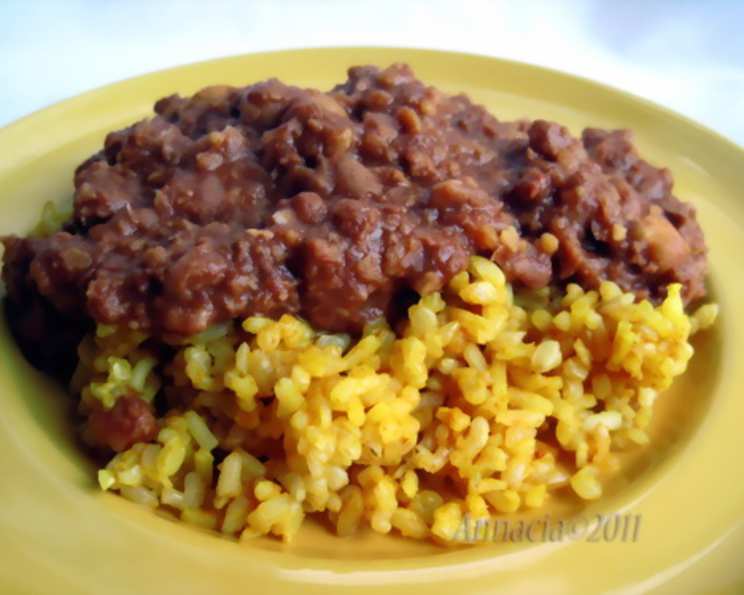
Our Iraqi Timman: The Soul of Every Meal
The aroma of rice, subtly infused with turmeric and the gentle sizzle of oil, always transports me back to my grandmother’s kitchen. I remember standing on a wobbly stool, mesmerized as she coaxed perfectly fluffy rice from a simple pot. But the real magic wasn’t just in the texture; it was in the hikaka, that coveted crust of golden, slightly caramelized rice at the bottom. Fighting over those crispy bits was a cherished family tradition, a testament to the love and care poured into this humble, yet essential, dish. For us, rice wasn’t just a side; it was the heart of every meal, a blank canvas for flavors, and a symbol of home.
Recipe Overview
- Prep Time: 5 minutes
- Cook Time: 35 minutes
- Total Time: 40 minutes
- Servings: 4-5
- Dietary Type: Gluten-Free, Vegan
Ingredients
- 3 cups basmati rice
- 4 tablespoons vegetable oil
- 1 tablespoon salt
- 2 teaspoons turmeric
- 2 ½ cups water (plus extra as needed)
- 3 tablespoons dehydrated onion
Equipment Needed
- Medium-sized pot (preferably non-stick) with a tight-fitting lid
Instructions
-
Pour the vegetable oil into the pot and heat it over medium-high heat. The oil should shimmer but not smoke.
-
Add the dry basmati rice, salt, and dehydrated onion to the pot. Sauté for about a minute, allowing the rice to toast slightly in the oil. This step helps to prevent the rice from becoming sticky and enhances its flavor. It is important not to stir too much after this point.
-
Add the water and turmeric. The water level should cover the rice by approximately ½ inch. You can adjust the amount slightly depending on your stove and the type of rice you’re using.
-
Bring the mixture to a rapid boil. Once boiling, immediately reduce the heat to medium-low (or about a 3 on most stovetops).
-
Cover the pot tightly with the lid. It is crucial to maintain a tight seal to trap the steam, which is essential for cooking the rice evenly. Do not open the lid during the cooking process for at least 30 minutes. This is where patience comes in!
-
After 30 minutes, check the rice. If the water has been fully absorbed and the rice is tender, it’s ready. If there is still water in the pot, continue cooking for a few more minutes, checking periodically until the water is gone. Be careful not to burn the bottom.
-
To serve, carefully invert the pot onto a serving platter. The hikaka (the crispy rice from the bottom) will now be on top. Serve immediately and enjoy!
Expert Tips & Tricks
- Rice Quality Matters: Use high-quality basmati rice for the best results. Older rice tends to cook better.
- Pre-Soaking (Optional): Soaking the rice for 30 minutes before cooking can help it cook more evenly and fluffier. Drain the rice well before adding it to the pot.
- Don’t Peek!: Resist the urge to lift the lid while the rice is steaming. Releasing the steam can disrupt the cooking process and result in unevenly cooked rice.
- Adjusting Water: The ½ inch of water above the rice is a guideline. Observe how your rice cooks and adjust the amount of water in future batches based on your observations.
- Achieving Perfect Hikaka: For a more pronounced hikaka, you can add a tablespoon of oil to the bottom of the pot before adding the rice and water. Monitor closely to prevent burning. If you hear excessive crackling, reduce the heat slightly.
- Preventing Sticking: While a non-stick pot helps, you can also try adding a teaspoon of lemon juice to the water. This can help prevent the rice from sticking to the bottom.
- Fluffing: Once the rice is cooked and all the water is absorbed, gently fluff it with a fork before serving. This will separate the grains and prevent them from clumping together.
Serving & Storage Suggestions
Serve Iraqi timman hot, alongside your favorite Iraqi stews, grilled meats, or vegetable dishes. It pairs beautifully with dolma (stuffed vegetables), bamia (okra stew), or kofta (ground meat patties).
Leftovers can be stored in an airtight container in the refrigerator for up to 3 days. To reheat, add a splash of water to the rice and microwave it until heated through. You can also reheat it on the stovetop over low heat, stirring occasionally.
While not ideal, cooked rice can be frozen. Spread the cooled rice in a single layer on a baking sheet, freeze until solid, then transfer to a freezer bag. This prevents clumping. Reheat from frozen, adding a little water to restore moisture. Frozen rice is best used within 1-2 months.
Nutritional Information
| Nutrient | Amount per Serving | % Daily Value |
|---|---|---|
| Calories | 450 kcal | 23% |
| Total Fat | 10g | 15% |
| Saturated Fat | 2g | 10% |
| Cholesterol | 0mg | 0% |
| Sodium | 300mg | 13% |
| Carbohydrates | 80g | 27% |
| Fiber | 3g | 12% |
| Sugar | 1g | – |
| Protein | 8g | 16% |
Variations & Substitutions
- Saffron Infusion: Add a pinch of saffron threads to the water for a fragrant and golden-hued rice.
- Herbaceous Delight: Stir in chopped fresh herbs like dill, parsley, or cilantro after cooking for a burst of freshness.
- Nutty Goodness: Add toasted almonds, pine nuts, or pistachios for extra texture and flavor.
- Chicken or Vegetable Broth: Substitute water with chicken or vegetable broth for a richer, more savory flavor.
- Spice It Up: Add a pinch of cumin, cardamom, or cloves for a more complex aroma and flavor profile.
- Brown Rice Version: While traditionally made with basmati, you can adapt this recipe for brown rice. Brown rice requires a longer cooking time and more water.
FAQs (Frequently Asked Questions)
Q: What is hikaka, and why is it so special?
A: Hikaka is the crispy, golden crust of rice that forms at the bottom of the pot. It’s considered a delicacy because of its unique texture and slightly caramelized flavor, a result of the rice gently toasting against the bottom of the pot.
Q: Can I use regular long-grain rice instead of basmati?
A: While basmati rice is recommended for its fluffy texture and distinct flavor, you can use regular long-grain rice. However, you may need to adjust the water amount and cooking time accordingly.
Q: How can I prevent the rice from sticking to the pot?
A: Using a non-stick pot is the easiest way to prevent sticking. You can also ensure that the pot has a tight-fitting lid to trap steam and prevent the rice from drying out and sticking. A little extra oil in the beginning can also help.
Q: My rice is always mushy. What am I doing wrong?
A: Mushy rice is often caused by using too much water or cooking the rice for too long. Reduce the water amount in your next batch and check the rice for doneness after 30 minutes.
Q: Can I make this recipe in a rice cooker?
A: Yes, you can adapt this recipe for a rice cooker. Follow the manufacturer’s instructions for cooking rice, adjusting the water and turmeric as needed. However, you won’t get the hikaka if using a rice cooker.
Final Thoughts
Iraqi timman is more than just a side dish; it’s a connection to our heritage, a reminder of family gatherings, and a source of comfort. This simple recipe, passed down through generations, is a testament to the power of humble ingredients and the magic of slow cooking. I encourage you to try this recipe and experience the warmth and flavor of Iraqi cuisine. Don’t be afraid to experiment with variations and add your own personal touch. And most importantly, don’t forget to fight for your share of the hikaka! I’d love to hear about your experience and any modifications you make, so please share your feedback.