
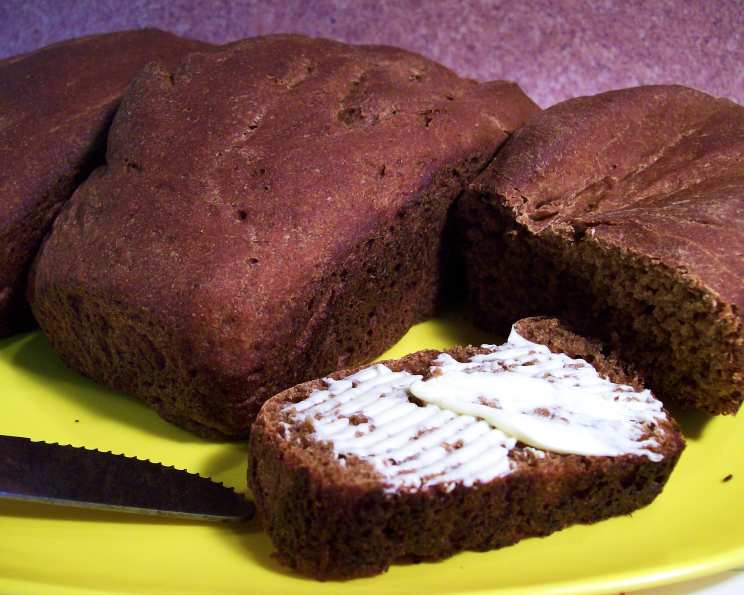
Outback Steakhouse-Style Dark Bread: A Culinary Homage
I can still remember the first time I tasted that iconic dark bread at Outback Steakhouse. It wasn’t just a bread basket offering; it was an experience. The sweet, almost mysterious aroma, the slight chewiness, the subtle hint of cocoa – it was unlike anything I’d ever tasted. That memory, of sharing warm slices with family while waiting for our steaks, sparked a lifelong fascination with recreating that unique flavor at home. After countless trials and a few minor tweaks to a copycat recipe, I can confidently say that this version captures the essence of the Outback’s beloved bread.
Recipe Overview
- Prep Time: 30 minutes
- Cook Time: 30 minutes
- Total Time: 2 hours 30 minutes (includes rising time)
- Servings: 16
- Yield: 2 large loaves
- Dietary Type: Vegetarian
Ingredients
- 6 ¾ teaspoons active dry yeast (or 5 teaspoons instant yeast)
- ½ cup warm water (for active dry yeast)
- 1 tablespoon sugar
- 1 cup warm water (1 ½ cups if using instant yeast)
- ½ cup dark molasses (NOT blackstrap)
- 2 tablespoons cocoa
- 1 tablespoon salt
- 2 tablespoons oil
- 2 cups rye flour (8 oz)
- 2 ½ – 3 cups all-purpose flour (11.25 – 13.5 oz)
Equipment Needed
- Large mixing bowl
- Measuring cups and spoons
- Greased bowl for rising
- Cookie sheet
- Cooking spray
- Clean kitchen towel
- Wire cooling rack
Instructions
-
If using active dry yeast, soften the yeast in ½ cup warm water. Stir in the sugar. Let stand for 6 minutes, or until bubbly, to proof the yeast. This ensures the yeast is alive and active. If using instant yeast, skip this step; you’ll add it directly to the flour later.
-
In a large mixing bowl, combine 1 cup (or 1 ½ cups, if using instant yeast) of warm water with the dark molasses, cocoa, salt, oil, and rye flour.
-
Beat the mixture until it is smooth, ensuring all ingredients are fully incorporated. The cocoa might take a bit of effort to dissolve completely.
-
If using active dry yeast, add the yeast water mixture to the bowl, stirring to combine. If using instant yeast, add it now, mixing it directly into the dry ingredients before adding the warm water.
-
Gradually work in the all-purpose flour, adding it until the dough is smooth and no longer sticky. The dough should be very pliable and elastic. You may not need the full 3 cups; add it slowly until the desired consistency is reached.
-
Knead the dough for a few minutes on a lightly floured surface. Kneading develops the gluten, which gives the bread its structure and chewy texture.
-
Place the dough in a greased bowl, turning to coat. Cover the bowl and let the dough rise in a warm place until doubled in size. This usually takes about 1 to 1.5 hours, depending on the temperature of your kitchen.
-
Once doubled, punch down the dough to release the air.
-
Shape the dough into 2 large round loaves. Place the loaves a few inches apart on a greased and cornmeal-dusted cookie sheet. The cornmeal prevents sticking and adds a subtle crunch to the bottom crust.
-
Spray the tops of the loaves with cooking spray to keep them moist during the second rise.
-
Cover the loaves with a clean kitchen towel and place them in a warm place to rise again until doubled, about 30-45 minutes.
-
Preheat your oven to 375 degrees F (190 degrees C).
-
Before baking, score the tops of the loaves with a sharp knife. This allows the bread to expand evenly and prevents cracking.
-
Bake for 30 minutes, or until the crust makes a hollow sound when tapped. The internal temperature should reach around 200 degrees F (93 degrees C). If the crust is browning too quickly, you can tent the loaves with foil during the last 10-15 minutes of baking.
-
Cool the loaves on a wire rack before slicing. This allows the steam to escape, preventing the bread from becoming soggy.
Expert Tips & Tricks
- Molasses Matters: Be sure to use dark molasses, not blackstrap molasses. Blackstrap has a very bitter flavor that will overwhelm the other flavors in the bread.
- Warmth is Key: For optimal rising, place the dough in a warm, draft-free spot. A slightly warmed oven (turned off!) works wonders.
- Don’t Overknead: Overkneading can result in a tough bread. Knead just until the dough is smooth and elastic.
- Steam for Crust: For a crispier crust, place a pan of hot water on the bottom rack of the oven during baking. This creates steam, which helps the crust to develop a nice color and texture.
- Adjusting Flour: Humidity can affect how much flour you need. Add the all-purpose flour gradually until the dough reaches the right consistency.
Serving & Storage Suggestions
Serve this dark bread warm with a generous smear of softened butter. It’s also fantastic alongside soups, salads, or as a sandwich bread.
To store, wrap the cooled loaves tightly in plastic wrap or place them in an airtight container. They will last for 2-3 days at room temperature, about a week in the refrigerator, or up to 3 months in the freezer. To reheat, wrap individual slices in foil and warm them in a low oven (300 degrees F) for a few minutes. You can also toast slices for a quick and easy treat.
Nutritional Information
| Nutrient | Amount per Serving | % Daily Value |
|---|---|---|
| Calories | 1377.5 kcal | N/A |
| Calories from Fat | 164 g | 12% |
| Total Fat | 18.3 g | 28% |
| Saturated Fat | 2.3 g | 11% |
| Cholesterol | 0 mg | 0% |
| Sodium | 3536.8 mg | 147% |
| Total Carbohydrate | 274 g | 91% |
| Dietary Fiber | 20.9 g | 83% |
| Sugars | 54.6 g | 218% |
| Protein | 33.7 g | 67% |
Note: Nutritional information is an estimate and may vary based on specific ingredients and portion sizes.
Variations & Substitutions
- Sweetness Boost: Add an extra tablespoon of molasses for a slightly sweeter bread.
- Spice It Up: Incorporate a teaspoon of caraway seeds or anise seeds for a more complex flavor profile.
- Vegan Option: Ensure the oil used is plant-based (like olive or canola oil). This recipe is already inherently vegan.
- Gluten-Free Adaptation: While this recipe relies on gluten for its structure, experiment with gluten-free flour blends specifically designed for bread baking. You may need to adjust the amount of liquid and add a binder like xanthan gum.
- Different Flours: Try substituting a portion of the all-purpose flour with whole wheat flour for a nuttier flavor and added fiber.
FAQs (Frequently Asked Questions)
Q: Can I use a bread machine for this recipe?
A: Yes, you can adapt this recipe for a bread machine. Follow your machine’s instructions for adding ingredients, usually liquids first, then dry ingredients. Use the dough setting, then shape and bake as directed.
Q: Why is my bread dense and not rising properly?
A: Ensure your yeast is fresh and active. Also, the dough needs a warm environment to rise. Avoid drafts and very cold temperatures. Over-kneading can also cause dense bread.
Q: Can I freeze this bread?
A: Absolutely! Wrap the cooled loaves tightly in plastic wrap, then place them in a freezer bag. Thaw at room temperature before slicing and serving.
Q: What can I use if I don’t have rye flour?
A: While rye flour contributes to the unique flavor, you can substitute it with whole wheat flour, though the taste will be slightly different.
Q: Is it important to use dark molasses?
A: Yes, dark molasses is crucial for the distinctive color and flavor. Blackstrap molasses is too bitter and will negatively affect the taste.
Final Thoughts
This Outback Steakhouse-style dark bread is more than just a recipe; it’s a culinary journey back to comforting memories and warm flavors. I encourage you to give it a try, embrace the process, and don’t be afraid to experiment with slight variations to suit your taste. Whether you’re serving it alongside a hearty soup or simply enjoying a slice with butter, this bread is sure to become a favorite in your kitchen. Share your creations and feedback – I’d love to hear how it turns out!