
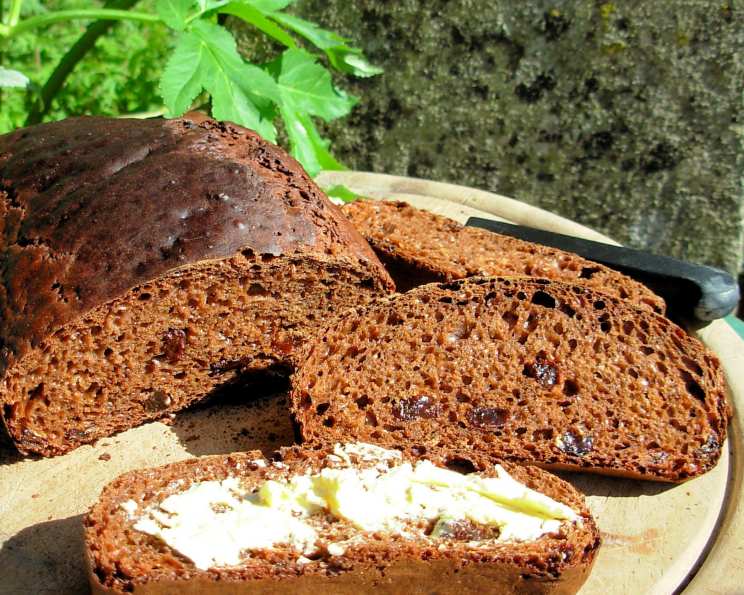
Ovaltine Cake: A Taste of Nostalgia
The aroma alone transports me back to my grandmother’s kitchen. A small, cozy space always filled with warmth and the comforting scent of baked goods. I remember being perched on a stool, watching her deftly measure ingredients, the rhythmic clinking of her measuring spoons a familiar soundtrack to my childhood. This Ovaltine Cake, a recipe passed down through generations, was a particular favorite. Its simple ingredients belied a depth of flavor that somehow managed to be both comforting and exciting, a perfect representation of my grandmother herself.
Recipe Overview
- Prep Time: 15 minutes
- Cook Time: 60 minutes
- Total Time: 1 hour 15 minutes
- Servings: 8
- Yield: 1 loaf
- Dietary Type: Dairy-Free (can be adjusted)
Ingredients
- 6 ounces self-raising flour
- 3 ounces sugar
- 1 1/2 ounces raisins
- 3 tablespoons Ovaltine
- 1 pinch salt
- 1/2 teaspoon bicarbonate of soda
- 1/2 pint milk (I used skimmed)
Equipment Needed
- Oven
- Mixing bowl
- Sieve
- Measuring spoons and cups
- 1lb loaf tin
- Greaseproof paper (optional, for lining the tin)
- Skewer for testing
Instructions
-
Preheat your oven to 350°F (180°C). Ensure the oven rack is positioned in the center. An accurate oven temperature is crucial for even baking.
-
Prepare the dry ingredients. Sift together the self-raising flour, salt, and bicarbonate of soda into a large mixing bowl. Sifting aerates the flour, resulting in a lighter, more tender cake.
-
Incorporate the remaining dry ingredients. Stir in the Ovaltine and raisins into the sifted flour mixture. Ensure the Ovaltine is evenly distributed to avoid pockets of concentrated flavor.
-
Add the liquid. Gently fold in the milk until the mixture is just combined. Be careful not to overmix, as this can develop the gluten in the flour, resulting in a tough cake. The batter should be smooth but slightly thick.
-
Prepare the loaf tin. Lightly grease a 1lb loaf tin. For easier removal, you can also line the base with greaseproof paper, leaving an overhang on the sides to act as handles.
-
Pour the batter. Pour the prepared batter into the greased loaf tin, spreading it evenly.
-
Bake. Bake in the preheated oven for approximately one hour. To ensure even baking, avoid opening the oven door frequently during the baking process.
-
Test for doneness. After an hour, test the cake for doneness by inserting a skewer into the center. If the skewer comes out clean or with just a few moist crumbs attached, the cake is ready. If the skewer comes out wet with batter, continue baking for another 5-10 minutes and test again.
-
Cooling. Leave the cake to cool slightly in the tin for about 10-15 minutes before inverting it onto a wire rack to cool completely. Cooling it slightly in the tin helps it to retain its shape and prevent it from crumbling.
Expert Tips & Tricks
- Milk Alternatives: While the recipe calls for milk, you can experiment with dairy-free alternatives such as almond milk, soy milk, or oat milk. The flavor profile may be subtly altered, but the texture should remain similar.
- Raisin Infusion: For extra plump and juicy raisins, soak them in hot water or rum for 30 minutes before adding them to the batter. Drain them thoroughly before incorporating.
- Ovaltine Enhancement: For a more intense Ovaltine flavor, add an extra tablespoon of Ovaltine to the batter.
- Baking Time Variation: Baking times can vary depending on your oven. Keep a close eye on the cake and adjust the baking time accordingly. If the top of the cake starts to brown too quickly, tent it loosely with foil to prevent it from burning.
- Freezing: To prevent freezer burn when freezing slices, wrap them individually in plastic wrap before placing them in an airtight container.
Serving & Storage Suggestions
This Ovaltine Cake is delicious served slightly warm, with a generous spread of butter. It also pairs well with a cup of tea or coffee. For a more indulgent treat, serve it with a dollop of whipped cream or a scoop of vanilla ice cream.
To store, keep the cake in an airtight container at room temperature for up to 3 days, or in the refrigerator for up to 5 days. For longer storage, the cake can be frozen in slices for up to 2 months. To defrost, simply thaw the slices at room temperature or toast them lightly. Toasting frozen slices is a great way to revive their texture and bring out their flavor.
Nutritional Information
| Nutrient | Amount per Serving | % Daily Value |
|---|---|---|
| Calories | 250 kcal | 13% |
| Total Fat | 5g | 8% |
| Saturated Fat | 2g | 10% |
| Cholesterol | 5mg | 2% |
| Sodium | 200mg | 8% |
| Total Carbohydrate | 45g | 15% |
| Dietary Fiber | 2g | 8% |
| Sugars | 20g | – |
| Protein | 5g | 10% |
Note: Nutritional information is an estimate and may vary based on specific ingredients and serving sizes.
Variations & Substitutions
- Chocolate Chip Addition: Add 1/2 cup of chocolate chips to the batter for a chocolatey twist.
- Spice It Up: Incorporate 1/2 teaspoon of ground cinnamon or nutmeg for a warmer, spicier flavor profile.
- Nutty Delight: Add 1/4 cup of chopped walnuts or pecans for added texture and flavor.
- Citrus Zest: Add the zest of one orange or lemon for a bright, citrusy note.
- Gluten-Free Option: Substitute the self-raising flour with a gluten-free self-raising flour blend. Be sure to check the package instructions for any additional adjustments needed.
FAQs (Frequently Asked Questions)
Q: Can I use plain flour instead of self-raising flour?
A: Yes, but you’ll need to add 1 teaspoon of baking powder per cup of plain flour to achieve the same rise.
Q: Can I reduce the amount of sugar in the recipe?
A: You can reduce the sugar slightly, but keep in mind that sugar contributes to the cake’s moisture and texture. Reducing it too much may result in a drier cake.
Q: What if I don’t have Ovaltine? Can I substitute it with something else?
A: While Ovaltine is the star ingredient, you could try substituting it with malted milk powder or even cocoa powder, though the flavor will be different.
Q: The top of my cake is browning too quickly. What should I do?
A: Tent the cake loosely with aluminum foil to prevent it from browning further.
Q: My cake is sinking in the middle. What could be the reason?
A: This could be due to several factors, such as opening the oven door too frequently, overmixing the batter, or the oven temperature being too low.
Final Thoughts
This Ovaltine Cake is more than just a recipe; it’s a connection to the past, a reminder of simpler times and cherished memories. I encourage you to try this recipe and experience the comforting flavors for yourself. Feel free to adapt it to your own taste preferences and share your creations with loved ones. I’d love to hear your feedback and any variations you might discover. So, gather your ingredients, preheat your oven, and embark on a culinary journey back in time. Happy baking!