
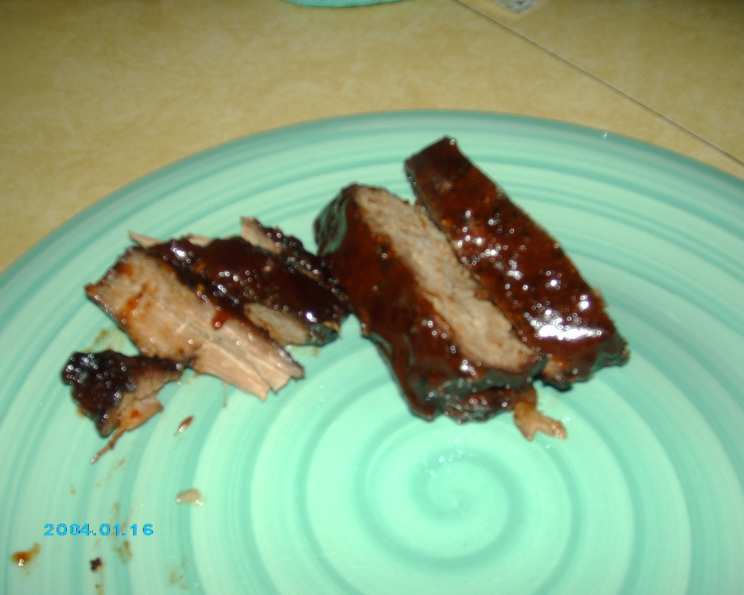
The Ultimate Guide to Oven-Baked Brisket: A Culinary Journey
The aroma of slow-cooked brisket always brings me back to my grandmother’s kitchen. I can still picture her, carefully tending to the brisket in the oven, basting it with her secret barbecue sauce every hour. The entire house would be filled with a sweet, smoky fragrance, a promise of the tender, melt-in-your-mouth goodness to come. That memory, infused with love and family, is what I aim to recreate every time I make this dish.
Recipe Overview
- Prep Time: 15 minutes
- Cook Time: 7 hours
- Total Time: 7 hours 15 minutes
- Servings: Varies depending on brisket size
- Yield: 1 Brisket
- Dietary Type: Not Specified (Check Ingredient Labels)
Ingredients
- 1 beef brisket
- Garlic salt, to taste
- Onion salt, to taste
- Celery salt, to taste
- 3 ounces liquid smoke
- Worcestershire sauce, to taste
- 1 bottle barbecue sauce
Equipment Needed
- Baking pan
- Aluminum foil
Instructions
-
Begin by trimming excess fat from the beef brisket. Leaving a thin layer of fat is acceptable, as it will render during cooking and add flavor and moisture.
-
Generously sprinkle the beef brisket with garlic salt, onion salt, and celery salt. Ensure the entire surface of the meat is seasoned evenly. Don’t be shy with the seasoning—this is a large cut of meat, and it needs a good amount of flavor.
-
Line a baking pan with enough aluminum foil so that it can completely seal over the meat. Using heavy-duty foil is recommended to prevent tearing.
-
Place the seasoned beef brisket on the foil-lined pan. Pour the entire 3 ounces of liquid smoke over the meat. Distribute it as evenly as possible.
-
Seal the aluminum foil tightly around the beef brisket, creating a secure packet. This will help to trap the moisture and steam during the initial cooking phase. Refrigerate overnight, allowing the meat to marinate in the liquid smoke and seasonings. This is a crucial step for infusing the brisket with that signature smoky flavor.
-
The next day, remove the beef brisket from the refrigerator. Drain any excess liquid that has accumulated in the foil packet.
-
Sprinkle the beef brisket with Worcestershire sauce. Again, ensure even coverage. Worcestershire sauce adds depth and umami to the final flavor profile.
-
Cover the beef brisket with the aluminum foil again, ensuring it’s sealed tightly.
-
Bake in a preheated oven at 250 degrees Fahrenheit (120 degrees Celsius) for 6 hours. The low and slow cooking process is essential for breaking down the tough connective tissues in the brisket, resulting in a tender and succulent final product.
-
After 6 hours, carefully open the aluminum foil. Be cautious of escaping steam. Pour the entire bottle of barbecue sauce over the beef brisket, coating it thoroughly.
-
Bake for 1 hour longer, uncovered. This final hour allows the barbecue sauce to caramelize and create a beautiful, sticky glaze on the surface of the brisket.
-
Once the brisket is done, remove it from the oven and let it rest for at least 30 minutes before slicing. This allows the juices to redistribute throughout the meat, resulting in a more tender and flavorful brisket. Enjoy!
Expert Tips & Tricks
- Don’t skip the overnight marinade! This is key to infusing the brisket with flavor and tenderizing it.
- If you find your brisket is drying out during the 6-hour cooking period, you can add a cup of beef broth to the foil packet.
- For a richer flavor, use a high-quality barbecue sauce with complex flavors. Experiment with different sauces to find your favorite.
- Use a meat thermometer to ensure the brisket reaches an internal temperature of at least 203°F (95°C) for maximum tenderness. Insert the thermometer into the thickest part of the meat.
- Letting the brisket rest is critical. Don’t skip this step! Wrap the brisket loosely in foil while it rests to keep it warm.
Serving & Storage Suggestions
Serve the oven-baked brisket sliced thinly against the grain. This helps to shorten the muscle fibers and makes the meat even more tender. It’s delicious served on its own, in sandwiches, or as part of a barbecue platter with sides like coleslaw, potato salad, and baked beans.
To store leftovers, allow the brisket to cool completely before transferring it to an airtight container. It will keep in the refrigerator for up to 3-4 days. For longer storage, freeze the brisket for up to 2-3 months. Thaw it in the refrigerator overnight before reheating.
To reheat, you can bake the brisket in a low oven (250°F/120°C) until heated through, or microwave it in short intervals, adding a little beef broth or barbecue sauce to keep it moist.
Nutritional Information
Note: Nutritional information is an estimate and may vary depending on specific ingredients and portion sizes.
| Nutrient | Amount per Serving | % Daily Value |
|---|---|---|
| Calories | 1217 kcal | N/A |
| Calories from Fat | 777 kcal | N/A |
| Total Fat | 86 g | 132% |
| Saturated Fat | 33 g | 165% |
| Cholesterol | 219 mg | 73% |
| Sodium | 3248 mg | 135% |
| Total Carbohydrate | 48 g | 16% |
| Dietary Fiber | 4.5 g | 18% |
| Sugars | 15 g | N/A |
| Protein | 58 g | N/A |
Variations & Substitutions
- Spicier Brisket: Add a pinch of cayenne pepper or a dash of hot sauce to the marinade for a spicy kick.
- Sweet and Tangy Brisket: Use a barbecue sauce with a vinegar base for a tangy flavor.
- Smoked Paprika: Add smoked paprika to the dry rub to enhance the smoky flavor.
- Different Cuts of Meat: While brisket is the classic choice, you could experiment with other cuts of beef suitable for slow cooking, such as chuck roast. Note that cooking times may vary.
FAQs (Frequently Asked Questions)
Q: Can I use a different type of salt instead of garlic, onion, and celery salt?
A: While you can substitute with kosher salt, the garlic, onion, and celery salts contribute specific flavor profiles to the brisket, so the taste will be different.
Q: Can I skip the liquid smoke if I don’t have it?
A: Liquid smoke adds a distinct smoky flavor that is integral to the recipe. If you skip it, the brisket will still be delicious, but it won’t have that characteristic smoky taste. Consider adding smoked paprika to compensate slightly.
Q: How do I know when the brisket is done?
A: The brisket is done when it is fork-tender. You should be able to easily insert a fork into the thickest part of the meat without resistance. Using a meat thermometer to check for an internal temperature of at least 203°F (95°C) is also a reliable method.
Q: Can I make this recipe in a slow cooker instead of the oven?
A: Yes, you can adapt this recipe for a slow cooker. Follow the same marinating process, then cook on low for 8-10 hours, or until the brisket is fork-tender. Add the barbecue sauce during the last hour of cooking.
Q: Why is it important to slice the brisket against the grain?
A: Slicing against the grain shortens the muscle fibers, making the brisket more tender and easier to chew. Identify the direction of the muscle fibers and slice perpendicular to them.
Final Thoughts
Now, armed with this comprehensive guide, you’re ready to embark on your own brisket-baking adventure. This recipe is a testament to the power of slow cooking and simple ingredients, transforming a tough cut of meat into a culinary masterpiece. Gather your ingredients, set aside some time, and prepare to be rewarded with a brisket that’s tender, flavorful, and unforgettable. Don’t be afraid to experiment with variations and make it your own. And most importantly, share your creation with loved ones and enjoy the deliciousness together!