
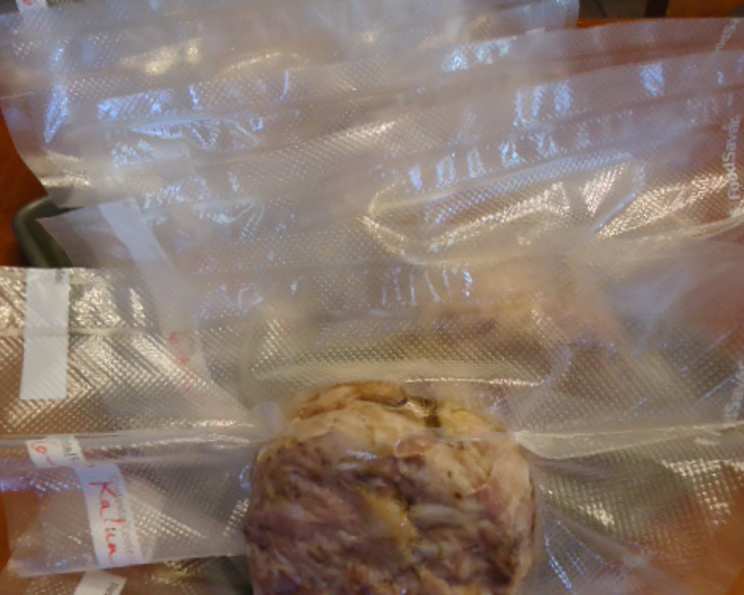
Oven-Style Kalua Pig: A Taste of Aloha at Home
The memory still makes my mouth water. I was a teenager, visiting my auntie in Oahu, and she had orchestrated a proper luau. The star of the show, without a doubt, was the Kalua Pig. Emerging from its underground oven, the imu, the aroma alone transported me to paradise. The smoky, tender meat, melting in my mouth with just a hint of salt, was unlike anything I’d ever tasted. Now, thousands of miles from the islands, I’ve perfected a way to recreate that authentic flavor in my own oven, bringing a little piece of Hawaii home.
Recipe Overview
- Prep Time: 15 minutes
- Cook Time: 4 hours
- Total Time: 4 hours 15 minutes
- Servings: Variable, based on size of pork butt
- Yields: 1-8 lbs, depending on size of pork butt
- Dietary Type: Gluten-Free, Dairy-Free
Ingredients
- 1-8 lb pork butt
- 1-4 tablespoons coarse sea salt (adjust to taste based on weight of pork)
- ¾-6 tablespoons liquid smoke (adjust to taste based on weight of pork)
- Banana leaves, enough to completely wrap the pork butt (or substitute foil)
Equipment Needed
- Oven
- Baking pan/dish
- Heavy duty aluminum foil
Instructions
-
The key to perfectly seasoned Kalua Pig is getting the ratio of salt and liquid smoke just right. For every pound of pork butt, you will need approximately ½ tablespoon of coarse sea salt and ¾ tablespoon of liquid smoke. Adjust these amounts proportionally based on the weight of your pork butt.
-
Preheat your oven to 500°F (260°C). This initial high heat helps to sear the meat and lock in the smoky flavor.
-
Generously rub the liquid smoke all over the pork butt, ensuring every surface is coated. This is what imparts that distinctive smoky aroma characteristic of Kalua Pig.
-
Next, evenly sprinkle the coarse sea salt over the entire pork butt. Don’t be shy with the salt; it’s essential for both flavor and moisture retention.
-
Now it’s time to wrap the meat. If you have access to banana leaves, this is the traditional method and will add an extra layer of authentic flavor. Thoroughly clean the leaves and use enough to completely encase the pork butt, wrapping it burrito-style. If banana leaves are unavailable, use heavy-duty aluminum foil as a substitute.
-
Regardless of whether you use banana leaves or foil, wrap the meat tightly in a layer of heavy-duty aluminum foil after the banana leaf wrapping. This will help to seal in the moisture and prevent the meat from drying out during the long cooking process.
-
Place the wrapped pork butt in a baking pan or dish. Cover the pan tightly with another layer of aluminum foil to ensure maximum moisture retention.
-
Place the baking pan in the preheated 500°F (260°C) oven and bake for 30 minutes. This initial blast of high heat kick-starts the cooking process.
-
After 30 minutes, reduce the oven temperature to 325°F (163°C) and continue baking for an additional 3 ½ hours. This low and slow cooking method is crucial for achieving the incredibly tender and juicy texture of Kalua Pig.
-
Once the cooking time is complete, remove the baking pan from the oven and allow the pork butt to cool slightly before unwrapping.
-
Carefully unwrap the pork butt, discarding the foil and banana leaves (if used). Be sure to save any juices that have accumulated in the foil or leaves; these are packed with flavor and will be used to moisten the shredded pork.
-
Shred the meat using two forks or your hands, discarding any excess fat or connective tissue.
-
Combine the shredded pork with the reserved cooking juices, mixing well to ensure the meat is thoroughly moistened.
-
Serve warm, ideally with steamed white (or brown) rice, just like they do in Hawaii. Ono! (delicious!)
Expert Tips & Tricks
- Liquid Smoke Selection: The type of liquid smoke you use can significantly impact the flavor of your Kalua Pig. I highly recommend using a mesquite-flavored liquid smoke, as it closely mimics the smoky flavor achieved in a traditional underground oven.
- Salt Quality: Using Hawaiian sea salt will enhance the authenticity of the dish, but any coarse sea salt will work well. Avoid using iodized table salt, as it can impart a metallic taste.
- Doneness Check: While the cooking time is generally accurate, it’s always a good idea to check the internal temperature of the pork to ensure it’s fully cooked. The pork should reach an internal temperature of at least 195°F (90°C) to be considered fully cooked and easily shreddable.
- Crispy Pork: For those who like a little extra texture, after shredding the pork, spread it on a baking sheet and broil it for a few minutes until the edges are slightly crispy. Watch carefully to prevent burning.
Serving & Storage Suggestions
Kalua Pig is traditionally served with steamed white rice and poi (a Hawaiian staple made from taro root). It also pairs well with lomi salmon (a salted salmon dish) and Hawaiian sweet bread rolls. For a more modern twist, try using Kalua Pig in tacos, sliders, or even on pizza.
Leftover Kalua Pig can be stored in an airtight container in the refrigerator for up to 3-4 days. It can also be frozen for up to 2-3 months. To reheat, simply microwave individual portions or warm the entire batch in a skillet over medium heat. Add a little extra liquid (water or broth) if the pork seems dry.
Nutritional Information
| Nutrient | Amount per Serving | % Daily Value |
|---|---|---|
| Calories | 1007 kcal | N/A |
| Calories from Fat | 640 kcal | 64% |
| Total Fat | 71.2 g | 109% |
| Saturated Fat | 24.7 g | 123% |
| Cholesterol | 299.4 mg | 99% |
| Sodium | 7253.1 mg | 302% |
| Total Carbohydrate | 0 g | 0% |
| Dietary Fiber | 0 g | 0% |
| Sugars | 0 g | 0% |
| Protein | 85 g | 170% |
Note: Nutritional information is an estimate and may vary based on the specific ingredients used and portion sizes.
Variations & Substitutions
- Smoked Paprika: If you want to enhance the smoky flavor without relying solely on liquid smoke, add a tablespoon or two of smoked paprika to the rub.
- Cabbage: For a slightly different take on Kalua Pig, layer shredded cabbage on the bottom of the baking dish before placing the wrapped pork on top. The cabbage will steam and absorb the delicious pork juices, adding a flavorful and nutritious element to the dish.
- Spice it up: Add a pinch of red pepper flakes to the salt and liquid smoke mixture to add a bit of heat.
FAQs (Frequently Asked Questions)
Q: Can I make this in a slow cooker?
A: Yes, you can adapt this recipe for a slow cooker. Follow the same preparation steps, but cook on low for 8-10 hours or on high for 4-6 hours, until the pork is easily shredded.
Q: I can’t find banana leaves. Is there a good substitute?
A: Heavy-duty aluminum foil is a perfectly acceptable substitute. While it won’t impart the same subtle flavor as banana leaves, it will still help to retain moisture and ensure a tender result.
Q: How do I know when the pork is done?
A: The pork is done when it is easily shredded with two forks and reaches an internal temperature of at least 195°F (90°C).
Q: Is the high sodium content normal?
A: Yes, Kalua Pig is traditionally a salty dish. However, you can adjust the amount of salt to your liking.
Q: Can I make this ahead of time?
A: Absolutely! Kalua Pig is a great dish to make ahead of time. It actually tastes even better the next day as the flavors meld together. Simply reheat before serving.
Final Thoughts
Making oven-style Kalua Pig is a wonderful way to bring the flavors of Hawaii into your own kitchen. While it might not be exactly the same as the imu-cooked version, this recipe captures the essence of the dish – the tender, juicy, smoky, and salty pork that is so beloved. Don’t be afraid to experiment with the seasonings and adjust the recipe to your own taste. I encourage you to give this recipe a try and share your feedback. Pair it with a refreshing Mai Tai and let your taste buds transport you to the beautiful islands of Hawaii!