
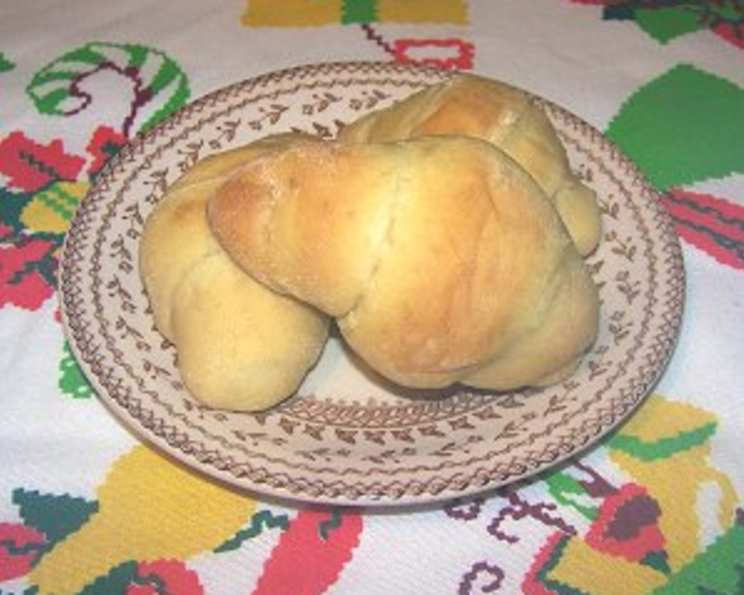
Overnight Fluffy Rolls: A Family Heirloom
There’s something magical about the scent of baking bread filling a home, a promise of comfort and warmth that wraps around you like a favorite sweater. For me, that scent is inextricably linked to these Overnight Fluffy Rolls. I remember countless Christmases, the kitchen bustling with activity, Mom at the counter, expertly shaping these rolls while carols played softly in the background. We kids would sneak in, hoping for a taste of the sweet dough, our fingers sticky with sugar and anticipation. These weren’t just rolls; they were a symbol of family, love, and tradition, a legacy passed down from Aunt Lee, and a cornerstone of every holiday meal.
Recipe Overview
- Prep Time: 30 minutes (plus overnight rising)
- Cook Time: 10-12 minutes
- Total Time: At least 4 hours 40 minutes, including rising
- Servings: 24 rolls
- Yield: 24 rolls
- Dietary Type: Not specified (contains dairy and eggs)
Ingredients
- 1 (1/4 ounce) package dry yeast
- 1/4 cup warm water (110-115 degrees F, see package for directions)
- 1/2 teaspoon sugar (for proofing yeast)
- 2 eggs, well beaten
- 1/2 cup sugar
- 1 cup milk, scalded and cooled
- 1/2 cup oil
- 4 cups flour, unsifted
- 1 teaspoon salt
- 1/2 teaspoon baking soda
Equipment Needed
- Large Bowl
- Small Bowl
- Measuring Cups and Spoons
- Whisk or Mixer
- Large Oiled Bowl
- Baking Sheets
- Baking Spray or Butter
- Floured Board
- Rolling Pin
Instructions
-
Begin by proofing the yeast. In a small bowl, dissolve 1/2 teaspoon of sugar in 1/4 cup of warm water (between 110-115°F – too hot and you’ll kill the yeast!). Then, sprinkle the 1/4 ounce package of dry yeast over the water. Let it sit undisturbed for about 10 minutes. The yeast mixture should swell and become bubbly, indicating that the yeast is active and ready to use.
-
While the yeast is proofing, prepare the wet ingredients. In a large bowl, beat together the 2 eggs and 1/2 cup of sugar until the mixture is light and fluffy. This step is crucial for creating a tender crumb.
-
Next, mix in the 1/2 cup of oil, 1 cup of scalded and cooled milk, and the proofed yeast mixture into the egg and sugar mixture. Blend all the ingredients until they are well combined. Make sure the milk has cooled to avoid cooking the eggs.
-
In a separate bowl, whisk together the dry ingredients: 4 cups of unsifted flour, 1 teaspoon of salt, and 1/2 teaspoon of baking soda. Sifting the flour can help create a lighter texture, but it isn’t strictly necessary.
-
Gradually add the dry ingredients to the wet ingredients, mixing until the dough is smooth and elastic. The dough will be fairly sticky at this stage, which is perfectly normal. Avoid adding too much flour, as this can result in dry rolls.
-
Pour the dough into a large, oiled bowl, ensuring that all sides of the dough are lightly coated with oil to prevent sticking. Cover the bowl tightly with plastic wrap or a clean kitchen towel.
-
Let the dough rise for 4 hours at room temperature or, preferably, overnight in the refrigerator. The slow, cold fermentation in the refrigerator develops a richer flavor and a more complex texture.
-
The next day (or after the rising time), spray baking sheets with baking spray or lightly butter them to prevent the rolls from sticking.
-
Pour the dough onto a lightly floured board. The dough will be soft and airy. Divide the dough in half.
-
Roll out each half as you would for a pie crust, aiming for a circle about 1/4 inch thick. Be sure to dust the rolling pin with flour to prevent sticking.
-
Using a sharp knife or pizza cutter, cut each circle of dough into 12 pie-shaped pieces.
-
Roll each piece into a crescent shape, starting at the wide end and rolling towards the point. You can also shape the rolls into knots or other desired forms.
-
Place the shaped rolls on the prepared baking sheets, leaving some space between each roll to allow for expansion during the second rise.
-
Put the baking sheets in a warm place to rise for about 2 to 3 hours. This second rise is crucial for creating light and fluffy rolls. You can warm the oven to the lowest setting, then turn it off and place the rolls inside to rise.
-
When the rolls have almost doubled in size and are puffy, preheat the oven to 350 degrees F (175 degrees C).
-
Bake the rolls for 10 to 12 minutes, or until they are golden brown on top. Keep a close eye on them, as baking times may vary depending on your oven.
-
Remove the rolls from the oven and let them cool slightly on the baking sheets before transferring them to a wire rack to cool completely. Serve warm with butter or your favorite toppings.
Expert Tips & Tricks
- Yeast Activation: Always ensure your yeast is fresh and active. If the yeast doesn’t bubble after 10 minutes, it might be old and need replacing. Starting with active yeast is essential for a good rise.
- Dough Stickiness: Don’t be tempted to add too much flour during the mixing process. A slightly sticky dough results in a softer, more tender roll.
- Milk Scalding: Scalding the milk helps to denature the proteins, resulting in a softer crumb. However, make sure the milk is cooled before adding it to the other ingredients, or it could cook the eggs.
- Overnight Rise: The overnight rise in the refrigerator is a game-changer for flavor development. The slow fermentation allows the dough to develop a more complex and nuanced taste.
- Warm Environment: During the second rise, creating a warm and humid environment helps the rolls rise properly. You can place a bowl of hot water in the oven alongside the rolls to create humidity.
- Egg Wash: For a shinier, more golden-brown crust, brush the rolls with an egg wash (1 egg beaten with 1 tablespoon of water) before baking.
Serving & Storage Suggestions
These Overnight Fluffy Rolls are best served warm, fresh from the oven, with a generous pat of butter. They are a perfect accompaniment to holiday meals, soups, salads, or simply enjoyed as a snack. Leftover rolls can be stored in an airtight container at room temperature for up to 2 days, or in the refrigerator for up to 5 days. For longer storage, freeze the rolls in a freezer-safe bag for up to 2 months. To reheat, thaw the frozen rolls at room temperature and warm them in a low oven (300 degrees F) for about 10 minutes, or until heated through.
Nutritional Information
| Nutrient | Amount per Serving | % Daily Value |
|---|---|---|
| Calories | 145.9 kcal | N/A |
| Calories from Fat | 49 kcal | N/A |
| Total Fat | 5.5 g | 8% |
| Saturated Fat | 1 g | 4% |
| Cholesterol | 16.9 mg | 5% |
| Sodium | 134.7 mg | 5% |
| Total Carbohydrate | 20.8 g | 6% |
| Dietary Fiber | 0.6 g | 2% |
| Sugars | 4.3 g | N/A |
| Protein | 3.1 g | 6% |
Note: Nutritional information is an estimate and can vary based on specific ingredients and serving sizes.
Variations & Substitutions
- Dairy-Free: Substitute the milk with a plant-based milk alternative, such as almond, soy, or oat milk. Ensure the plant-based milk is unsweetened and unflavored.
- Gluten-Free: Use a gluten-free flour blend designed for baking. Be aware that gluten-free flours can absorb more liquid, so you may need to adjust the amount of liquid in the recipe.
- Whole Wheat: Replace up to half of the all-purpose flour with whole wheat flour for a nuttier flavor and added fiber.
- Herb Infusion: Add 1-2 tablespoons of finely chopped fresh herbs, such as rosemary, thyme, or parsley, to the dough for an aromatic twist.
- Sweet Rolls: Increase the sugar in the dough to 3/4 cup and add a teaspoon of cinnamon for sweet rolls. Top with a cream cheese frosting after baking.
FAQs (Frequently Asked Questions)
Q: Can I use instant yeast instead of active dry yeast?
A: Yes, you can. Use the same amount of instant yeast and skip the proofing step. Add the instant yeast directly to the dry ingredients.
Q: My dough didn’t rise. What went wrong?
A: Several factors could prevent the dough from rising, including old or inactive yeast, water that was too hot or too cold, or a room that was too cold. Ensure your yeast is fresh, use water between 110-115°F, and place the dough in a warm place to rise.
Q: Can I freeze the dough after the first rise?
A: Yes, you can freeze the dough after the first rise. Punch down the dough, wrap it tightly in plastic wrap, and freeze for up to 2 months. Thaw the dough in the refrigerator overnight before shaping and baking.
Q: The rolls are browning too quickly. What should I do?
A: If the rolls are browning too quickly, tent them loosely with aluminum foil to prevent further browning.
Q: Can I make these rolls in a stand mixer?
A: Absolutely! Use the dough hook attachment and mix on low speed until the dough comes together and is smooth and elastic.
Final Thoughts
These Overnight Fluffy Rolls are more than just a recipe; they are a taste of home, a connection to family, and a reminder of cherished memories. I encourage you to try this recipe and create your own traditions. Don’t be intimidated by the time commitment; the overnight rise allows the flavors to develop beautifully, and the end result is well worth the effort. Share these rolls with loved ones, and savor the joy of homemade goodness. And please, let me know how they turn out – I’d love to hear about your experience and any variations you try! Pair them with a hearty stew, a roast chicken, or simply enjoy them with a smear of butter. Happy baking!