
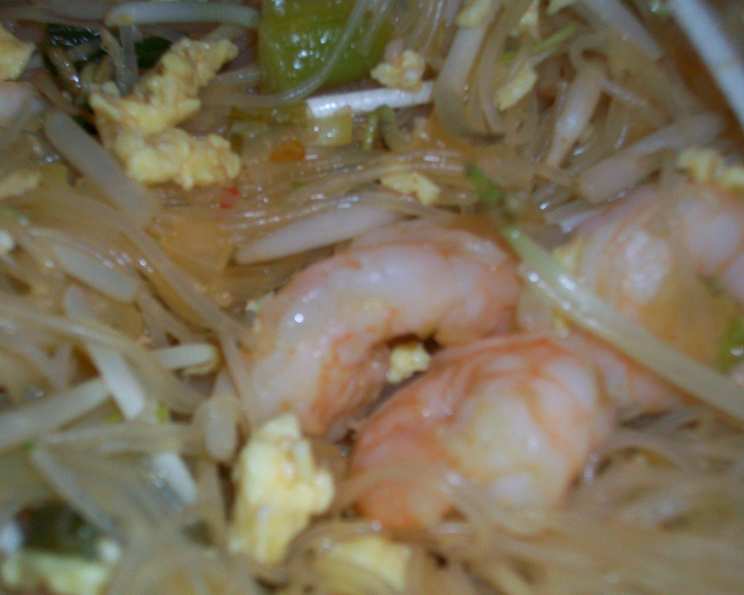
Pad Thai with Shrimp: A Culinary Journey to Thailand
The first time I truly experienced Pad Thai, it wasn’t in a restaurant, but at a bustling night market in Bangkok. The air thrummed with energy, the scent of exotic spices hung heavy, and the vendor, with a practiced hand, tossed noodles and shrimp in a sizzling wok. He worked with a blur of motion, creating a symphony of flavors that danced on my tongue. That initial bite – the perfect balance of sweet, sour, and savory – ignited a passion for Thai cuisine that continues to this day. This recipe aims to capture that very essence, bringing the authentic taste of Thailand to your kitchen.
Recipe Overview
- Prep Time: 30 minutes
- Cook Time: 30 minutes
- Total Time: 1 hour
- Servings: 6
- Dietary Type: Gluten-Free (if using gluten-free fish sauce)
Ingredients
- 1 (8 ounce) package rice noodles (the wider ones, about the width of fettuccine noodles)
- 4 tablespoons vegetable oil
- 2 lbs fresh shrimp, shelled and deveined
- 4 eggs, beaten
- 3 garlic cloves, minced
- 1 onion, finely chopped
- 1 (8 ounce) package fried tofu, sliced thin
- ¼ cup chopped preserved white radish, rinsed to remove excess saltiness (optional)
- 1 lb bean sprouts
- 10 green onions, cut 2-inch long
- ½ cup unsalted peanuts, chopped fine (or use food processor)
- 2 teaspoons chili flakes (to taste)
- 6 lemon wedges
SAUCE
- 8 tablespoons tamarind juice (or substitute vinegar)
- 6 tablespoons fish sauce
- 8 tablespoons brown sugar
- 1 ½ teaspoons paprika
Equipment Needed
- Large wok or non-stick skillet
- Small saucepan
- Mixing bowls
- Cutting board
- Knife
- Food Processor (optional, for peanuts)
Instructions
-
Begin by soaking the rice noodles in hot water to cover for at least 30 minutes. This allows them to soften without becoming mushy during the stir-fry process. Once they are pliable, drain the noodles thoroughly and set aside.
-
Prepare all the remaining ingredients before you begin cooking. This is crucial for stir-fries, as the cooking process is fast and furious. Have your shrimp, vegetables, and sauce ready to go.
-
Make the sauce: In a small saucepan, combine the tamarind juice (or vinegar), fish sauce, brown sugar, and paprika. Stir the ingredients together and heat over medium heat until the mixture starts to boil. Once boiling, lower the heat and simmer the sauce for 10 minutes. This allows the flavors to meld together beautifully. Taste the sauce and adjust if necessary to achieve the proper balance of sweet, sour, and salty. Set the sauce aside. A well-balanced sauce is key to authentic Pad Thai.
-
Scramble the eggs: Heat 1 tablespoon of vegetable oil in the large wok or non-stick skillet over medium-high heat. Add the beaten eggs and scramble them until just done. It’s important not to overcook the eggs, as they will continue to cook later in the dish. Remove the eggs from the wok and set them aside.
-
Cook the shrimp: Heat another 1 tablespoon of vegetable oil in the wok or skillet. Add the shrimp along with 2 tablespoons of the prepared sauce. Sauté the shrimp until they are pink and cooked through, approximately 2 minutes. Be careful not to overcook the shrimp, as they will become tough. Remove the shrimp from the wok and set aside.
-
Sauté the aromatics: Heat another 1 tablespoon of vegetable oil in the wok or skillet. Add the minced garlic and finely chopped onion, along with about 2 tablespoons of the sauce. Sauté until the onion is translucent and fragrant, about 1-2 minutes. This step infuses the dish with a wonderful aromatic base.
-
Stir-fry the noodles: Add the soaked and drained rice noodles to the wok with the garlic and onion mixture. Stir well, adding more sauce as needed to keep the noodles moist. If the noodles become too dry, sprinkle with a little water. The goal is to ensure the noodles are evenly coated with the sauce and cooked through, but still slightly chewy. Remove the noodles from the wok and set them aside.
-
Combine tofu, radish, and chili flakes: Heat the remaining 1 tablespoon of vegetable oil in the wok or skillet. Add the sliced fried tofu, chopped preserved white radish (if using), and 1 teaspoon of chili flakes (or to taste, depending on your spice preference). Sauté for a minute or two, until the tofu is lightly browned and the spices are fragrant. Add the remaining sauce to the wok and stir to combine.
-
Assemble the Pad Thai: Return the noodles to the wok with the tofu mixture. Taste again and adjust the seasoning as needed. Add the cooked shrimp, bean sprouts, green onions, and scrambled egg to the wok.
-
Toss and serve: Gently lift and turn the noodles a few times to thoroughly mix all the ingredients. Avoid over-stirring, which can break the noodles.
-
Serve immediately on plates, garnished with a lemon wedge, chopped peanuts, and a sprinkle of chili flakes. The lemon wedge adds a final burst of acidity that balances the flavors beautifully, while the peanuts provide a satisfying crunch.
Expert Tips & Tricks
- Noodle Consistency is Key: Don’t oversoak the rice noodles, or they’ll turn to mush during the stir-fry. Aim for pliable but firm.
- Don’t Overcrowd the Wok: Cooking in batches ensures even cooking and prevents the wok from losing heat.
- Tamarind Paste Alternative: If you can’t find tamarind juice, a mixture of rice vinegar and a little brown sugar can work as a substitute, but the flavor profile will be slightly different.
- Make-Ahead Sauce: The sauce can be made a day or two in advance and stored in the refrigerator. This saves time during the cooking process.
- Adjust Spice Level: Add more or less chili flakes to adjust the spice level to your preference.
- Prevent Sticking: Ensure your wok or skillet is well-seasoned and hot before adding ingredients to prevent sticking.
- Quality Fish Sauce Matters: Use a high-quality fish sauce for the best flavor. Avoid brands with excessive saltiness or a strong, unpleasant odor.
Serving & Storage Suggestions
Serve Pad Thai immediately while it’s hot and the noodles are still slightly chewy. Garnish generously with chopped peanuts, a sprinkle of chili flakes, and a lemon wedge.
Leftovers can be stored in an airtight container in the refrigerator for up to 2 days. Reheat gently in a wok or skillet over medium heat, adding a splash of water or broth if needed to prevent the noodles from drying out. It’s best to eat Pad Thai fresh, as the noodles can become sticky upon reheating. Freezing is not recommended, as it can alter the texture of the noodles.
Nutritional Information
| Nutrient | Amount per Serving | % Daily Value |
|---|---|---|
| Calories | 727 kcal | 37% |
| Total Fat | 30.1 g | 46% |
| Saturated Fat | 5 g | 25% |
| Cholesterol | 371.4 mg | 123% |
| Sodium | 1762.7 mg | 73% |
| Total Carbohydrate | 69.3 g | 23% |
| Dietary Fiber | 6.2 g | 24% |
| Sugars | 24.3 g | 97% |
| Protein | 48.9 g | 97% |
Variations & Substitutions
- Vegetarian Pad Thai: Omit the shrimp and add extra tofu or vegetables like broccoli, carrots, or bell peppers. Use a vegetarian fish sauce substitute made from soy sauce and mushrooms.
- Chicken Pad Thai: Substitute the shrimp with boneless, skinless chicken breast cut into bite-sized pieces.
- Tofu Pad Thai: Double the amount of tofu for a protein-rich, vegetarian option.
- Gluten-Free Pad Thai: Ensure the fish sauce is gluten-free (many brands are not). Use tamari or coconut aminos as a substitute if needed.
- Spicy Pad Thai: Increase the amount of chili flakes or add a few drops of sriracha sauce for extra heat.
- Pad See Ew Inspiration: While this is Pad Thai, consider exploring Pad See Ew flavors by adding dark soy sauce for a slightly sweeter and richer taste.
FAQs (Frequently Asked Questions)
Q: Can I use a different type of noodle?
A: While rice noodles are traditional, you can experiment with other types of noodles, such as lo mein or udon, but the texture and flavor will be different.
Q: Can I make this ahead of time?
A: Pad Thai is best enjoyed fresh, but you can prepare the sauce and chop the vegetables in advance to save time.
Q: What if I can’t find tamarind juice?
A: You can substitute tamarind juice with vinegar, but the flavor will be slightly different. Start with a small amount and adjust to taste. Rice vinegar is a good alternative.
Q: How do I prevent the noodles from sticking together?
A: Make sure the noodles are properly soaked and drained before stir-frying. Add enough sauce to keep them moist and avoid overcrowding the wok.
Q: Can I add other vegetables?
A: Absolutely! Feel free to add other vegetables like carrots, broccoli, or bell peppers to customize the dish to your liking.
Final Thoughts
Pad Thai is more than just a dish; it’s an experience. The vibrant flavors, the satisfying textures, and the aromatic spices transport you to the bustling streets of Thailand with every bite. Don’t be intimidated by the list of ingredients; with a little preparation and a hot wok, you can easily recreate this iconic dish in your own kitchen. I encourage you to try this recipe and share your feedback. Consider pairing it with a refreshing Thai iced tea or a light and crisp salad for a complete and satisfying meal. Enjoy the culinary journey!