
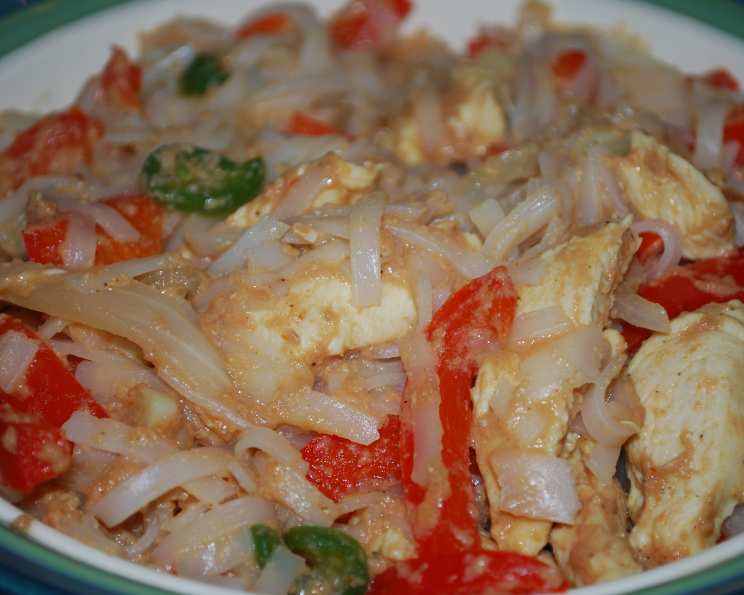
Pad Thai: Lighter, Brighter, and Bursting with Flavor
The first time I tasted Pad Thai, it was from a street vendor in Bangkok. The air hummed with the city’s energy, and the aroma of spices hung heavy in the humid air. I watched, mesmerized, as the vendor expertly tossed rice noodles, shrimp, and a vibrant sauce in a wok, the flames dancing around the ingredients. The first bite was an explosion of sweet, sour, and savory – an experience that forever cemented Pad Thai as one of my ultimate comfort foods. I’ve been chasing that flavor ever since, constantly tweaking and experimenting to recreate that perfect balance in my own kitchen. This version captures the essence of that authentic dish, but with a lighter touch, focusing on fresh vegetables and lean proteins without sacrificing any of the incredible taste.
Recipe Overview
- Prep Time: 10 minutes
- Cook Time: 15 minutes
- Total Time: 25 minutes
- Servings: 6
- Dietary Type: Dairy-Free
Ingredients
- 1 (10 ounce) can undiluted chicken broth, can use low sodium
- ½ lb rice noodles (about 1/2 pkg)
- 3 cups boiled water, for noodles
- 1 egg
- 2 tablespoons sugar
- 2 tablespoons fish sauce or 2 tablespoons oyster sauce
- 2 tablespoons ketchup
- 1 tablespoon Worcestershire sauce
- 1-2 teaspoon chili-garlic sauce (or to taste)
- ½ teaspoon hot red chili pepper flakes (optional)
- 6 garlic cloves (I use minced garlic)
- 4 green onions, thinly sliced
- 2 red peppers (cored and seeded, sliced in thin strips) or 2 orange peppers (cored and seeded, sliced in thin strips)
- 1 cup coarsely chopped fresh coriander
- ½ cup coarsely chopped mint leaf (optional)
- 2 boneless skinless chicken breasts, sliced in strips
- ½ lb peeled and deveined uncooked shrimp, fresh
- 2 cups bean sprouts
- ¼ cup chopped peanuts (optional)
Equipment Needed
- Large bowl
- Small bowl
- Whisk
- Large, non-stick skillet
Instructions
- Place the rice noodles in a large bowl.
- Cover the noodles completely with boiling water, soak, stirring occasionally, until the noodles are just tender, about 15 minutes.
- Drain the noodles well and set them aside.
- In a small bowl, whisk the egg, then stir in the sugar, fish sauce (or oyster sauce), ketchup, Worcestershire sauce, chili-garlic sauce, and chili flakes (if using). Set this sauce aside.
- In a saucepan, boil the chicken broth over high heat, uncovered and stirring occasionally, until the liquid is reduced by half, about 6 minutes. This concentrates the flavor for a richer taste without added fat.
- Pour the reduced chicken broth into a large, non-stick skillet. Add the garlic, chicken, and shrimp.
- Stir frequently until the shrimp start to turn pink and the chicken starts to turn white. This typically takes about 3-5 minutes, depending on the size of your shrimp and chicken pieces. Make sure the chicken is cooked through to an internal temperature of 165°F.
- Stir in the egg mixture, then add the drained noodles.
- Stir to evenly coat the noodles with the sauce.
- If the noodles begin to stick to the skillet, reduce the heat to medium.
- Add the green onions, peppers (red or orange), coriander, mint (if using), and bean sprouts.
- Continue stirring until the noodles are heated through, from 1 to 2 minutes. Be careful not to overcook the bean sprouts; they should retain a slight crunch.
- Add the chopped peanuts if desired, but be aware that they will increase the fat content of this lower-fat recipe.
- Spoon the Pad Thai into bowls and serve immediately. A squeeze of fresh lime is the perfect finishing touch.
Expert Tips & Tricks
- Noodle Prep is Key: Don’t overcook the rice noodles! They should be al dente, as they will continue to cook in the skillet. If they are too soft to begin with, they’ll become mushy in the final dish.
- Spice It Up (or Down): Adjust the amount of chili-garlic sauce and red pepper flakes to your preference. A little goes a long way!
- Veggie Power: Feel free to add other vegetables like shredded carrots or chopped broccoli florets. Just adjust the cooking time accordingly.
- Broth Boost: Using a high-quality chicken broth makes a significant difference in the overall flavor. Look for a broth that’s low in sodium but rich in taste.
- Shrimp Substitute: If you prefer, you can substitute frozen pre-cooked shrimp for the fresh. Just add them towards the end of the cooking process to avoid overcooking.
Serving & Storage Suggestions
Serve your Pad Thai hot, garnished with a wedge of fresh lime and extra coriander. For a more authentic presentation, consider serving it on banana leaves.
Leftovers can be stored in an airtight container in the refrigerator for up to 2 days. To reheat, gently warm in a skillet over medium heat, adding a splash of water or broth if needed to prevent sticking. While Pad Thai is best enjoyed fresh, reheating it works well, but the noodles may become slightly softer. Freezing is not recommended, as the noodles tend to become mushy upon thawing.
Nutritional Information
| Nutrient | Amount per Serving | % Daily Value |
|---|---|---|
| Calories | 283.7 kcal | N/A |
| Calories from Fat | 26 g | N/A |
| Total Fat | 2.9 g | 4% |
| Saturated Fat | 0.7 g | 3% |
| Cholesterol | 103.8 mg | 34% |
| Sodium | 589.9 mg | 24% |
| Total Carbohydrate | 44.4 g | 14% |
| Dietary Fiber | 2.5 g | 9% |
| Sugars | 9.2 g | N/A |
| Protein | 18.8 g | 37% |
Note: Nutritional information is an estimate and may vary based on specific ingredients and portion sizes.
Variations & Substitutions
- Vegetarian/Vegan Pad Thai: Omit the chicken and shrimp and substitute with tofu or extra vegetables. Use soy sauce or a vegetarian fish sauce alternative in place of the fish sauce.
- Gluten-Free Pad Thai: Ensure that the fish sauce and Worcestershire sauce are gluten-free. Tamari can also be used as a substitute for soy sauce.
- Spicy Peanut Pad Thai: Add a tablespoon or two of peanut butter to the sauce for a richer, nutty flavor.
- Lime Power: If you enjoy a more tart flavor in your pad thai, add a bit of lime zest into your dish.
FAQs (Frequently Asked Questions)
Q: Can I make this Pad Thai ahead of time?
A: While Pad Thai is best served immediately, you can prepare the sauce and chop the vegetables in advance. Store them separately in the refrigerator until ready to cook.
Q: How do I prevent the noodles from sticking together?
A: Make sure to drain the noodles well after soaking and toss them with a little bit of the sauce before adding them to the skillet. Also, don’t overcrowd the skillet; cook in batches if necessary.
Q: What if I don’t have fish sauce?
A: Oyster sauce can be used as a substitute, although it will slightly alter the flavor profile. For a vegetarian option, use soy sauce or a vegetarian fish sauce alternative.
Q: Can I use frozen vegetables?
A: While fresh vegetables are preferred, frozen vegetables can be used in a pinch. Just be sure to thaw and drain them well before adding them to the skillet.
Q: Is there a way to make this even lower in sodium?
A: Use low-sodium chicken broth and reduce the amount of fish sauce or oyster sauce. You can also add a splash of lime juice to enhance the flavor without adding extra sodium.
Final Thoughts
This lighter take on Pad Thai proves that you don’t have to sacrifice flavor to create a healthier version of your favorite dishes. The abundance of fresh vegetables and lean proteins makes this a satisfying and guilt-free meal. I encourage you to give this recipe a try and let me know what you think. Feel free to experiment with different vegetables and protein sources to create your own signature Pad Thai. Pair it with a refreshing Thai iced tea for a truly authentic dining experience!