
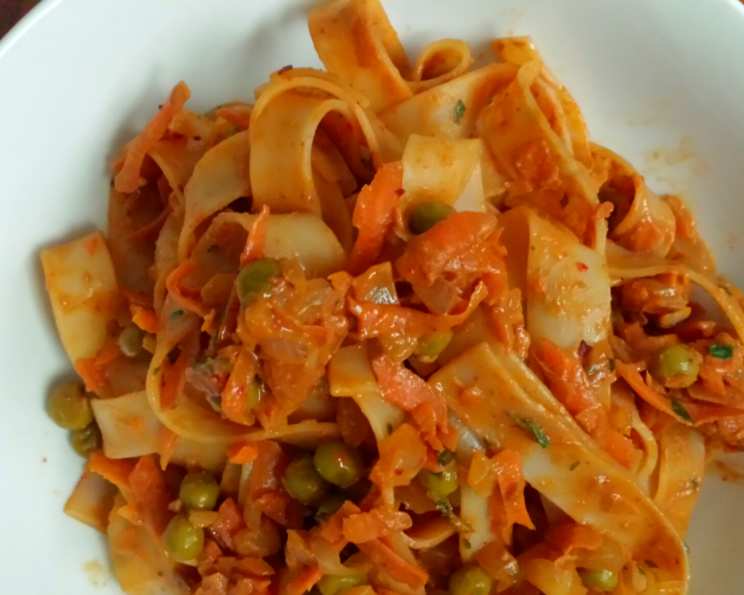
Vegan Pad Thai: A Flavorful Journey to Thailand in Your Kitchen
I’ll never forget my first taste of Pad Thai. It wasn’t in a fancy restaurant, but from a humble street vendor in Bangkok. The air was thick with the aroma of sizzling noodles, fragrant spices, and the friendly chatter of locals. I watched, mesmerized, as the vendor expertly tossed the ingredients in a well-worn wok, creating a symphony of flavors that exploded in my mouth with each bite. The combination of sweet, sour, and savory notes, along with the satisfying chew of the noodles and the crunch of peanuts, was simply unforgettable. That experience sparked a lifelong love for Thai cuisine, and Pad Thai, in particular, has become a dish I crave and enjoy recreating at home.
Recipe Overview
- Prep Time: 15 minutes
- Cook Time: 10 minutes
- Total Time: 25 minutes
- Servings: 3-4
- Dietary Type: Vegan
Ingredients
- 4 garlic cloves, minced
- 1 yellow onion, chopped
- 1 small bunch green onion, chopped
- 5 carrots, grated
- 1 cup frozen peas
- 2 cups button mushrooms, chopped
- 2 lemons, juiced
- 2 tablespoons hot sauce (optional)
- 4 tablespoons hoisin sauce
- 500 g tofu, cubed
- 3 tablespoons peanut butter
- 250 g rice noodles
Equipment Needed
- Large, deep frying pan or wok
- Cutting board
- Knife
- Measuring cups and spoons
- Bowl for soaking noodles
Instructions
-
Begin by prepping your ingredients. Mince the garlic, chop the yellow onion and green onion, grate the carrots, and chop the button mushrooms. Cube the tofu into bite-sized pieces.
-
Next, heat a large, deep frying pan or wok over medium heat. Add a little oil or vegetable broth if needed. Once hot, add the minced garlic and chopped yellow onion. Sauté them for a couple of minutes, until fragrant and slightly softened. Be careful not to burn the garlic.
-
Add the cubed tofu and chopped green onion to the pan. Here’s the key to achieving that delicious slightly-crisped texture on the tofu: let it fry undisturbed for a few minutes. Resist the urge to stir immediately!
-
After the tofu has had a chance to brown a bit (about 3-5 minutes), create a well in the center of the pan. Place the peanut butter glob in the center. Surround it with the grated carrots, frozen peas, and chopped mushrooms. This layering technique helps to distribute the flavors evenly as the vegetables cook.
-
Pour the lemon juice, hot sauce (if using), and hoisin sauce over the vegetables. Again, refrain from stirring just yet. Allowing the sauces to sit and mingle with the vegetables creates a richer, more complex flavor profile.
-
Let everything cook undisturbed over medium heat for another 5 minutes, or until the vegetables have reached a nice, slightly softened consistency. The mushrooms should be tender and the peas bright green.
-
Now, it’s time to bring it all together! Give the entire mixture a big stir, ensuring that all the ingredients are well combined and coated in the delicious sauce.
-
While the vegetables are cooking, prepare the rice noodles. Soak them in boiled water for 5-8 minutes, or according to the package instructions, until they are pliable but still slightly firm to the bite (al dente). Be careful not to overcook them, as they will become mushy.
-
Drain the rice noodles thoroughly and add them to the frying pan with the vegetable mixture. Mix everything together well, ensuring that the noodles are evenly coated with the sauce and vegetables.
-
Taste and adjust the seasoning as needed. If you prefer a tangier flavor, squeeze on a bit more lemon juice. For a spicier kick, add more hot sauce.
-
Serve immediately and enjoy!
Expert Tips & Tricks
- For a richer flavor, consider using roasted peanuts instead of raw peanuts. Crush them roughly before adding them to the dish.
- If you want to add some heat without using hot sauce, try adding a pinch of red pepper flakes to the garlic and onion as they sauté.
- To prevent the tofu from sticking to the pan, make sure the pan is well-heated before adding it and use a non-stick pan if possible.
- If the noodles start to stick together while cooking, add a tablespoon of water or vegetable broth to the pan.
- Don’t overcrowd the pan. If you’re making a large batch, cook the Pad Thai in stages to ensure that everything cooks evenly.
Serving & Storage Suggestions
Serve your vegan Pad Thai immediately while it’s hot and the noodles are still perfectly textured. Garnish with extra chopped green onions and crushed peanuts for added flavor and visual appeal. A wedge of lemon or lime on the side allows diners to adjust the tanginess to their liking.
Leftovers can be stored in an airtight container in the refrigerator for up to 3 days. The noodles may become slightly softer upon reheating, but the flavor will still be delicious. To reheat, simply microwave the Pad Thai for a few minutes, stirring occasionally, or reheat it in a pan over medium heat until warmed through.
Nutritional Information
| Nutrient | Amount per Serving | % Daily Value |
|---|---|---|
| Calories | 671 kcal | 34% |
| Total Fat | 16 g | 25% |
| Saturated Fat | 3 g | 14% |
| Cholesterol | 1 mg | 0% |
| Sodium | 713 mg | 30% |
| Total Carbohydrate | 116 g | 39% |
| Dietary Fiber | 13 g | 52% |
| Sugars | 18 g | 36% |
| Protein | 25 g | 50% |
Variations & Substitutions
- Gluten-Free: Ensure that the hoisin sauce you use is gluten-free, as some brands contain wheat. You can also substitute tamari for hoisin sauce for a completely gluten-free option.
- Nut-Free: Substitute sunflower seed butter or tahini for the peanut butter.
- Vegetable Variations: Feel free to swap out the vegetables based on your preferences or what you have on hand. Bell peppers, broccoli florets, bean sprouts, or shredded cabbage would all be delicious additions.
- Protein Boost: Add extra firm tofu or tempeh.
FAQs (Frequently Asked Questions)
Q: Can I use different types of noodles?
A: While rice noodles are traditional for Pad Thai, you can experiment with other types of noodles such as soba or even spaghetti if you’re feeling adventurous. Just adjust the cooking time accordingly.
Q: How do I prevent the noodles from sticking together?
A: Be sure not to overcook the noodles and drain them thoroughly. Tossing them with a little oil before adding them to the pan can also help prevent sticking.
Q: Can I make this dish ahead of time?
A: While Pad Thai is best served fresh, you can prepare the sauce and vegetables ahead of time and store them in the refrigerator. Then, cook the noodles and combine everything just before serving.
Q: What if I don’t have hoisin sauce?
A: You can substitute with a mixture of soy sauce, brown sugar, and a touch of rice vinegar to mimic the sweet and savory flavor of hoisin.
Q: How spicy is this recipe?
A: The level of spiciness is adjustable. Start with a small amount of hot sauce and add more to taste. You can also serve with extra hot sauce on the side for those who prefer a spicier dish.
Final Thoughts
This vegan Pad Thai recipe is a celebration of flavors and textures, bringing the vibrant taste of Thailand to your home kitchen. It’s a simple yet satisfying dish that’s perfect for a quick weeknight meal or a casual gathering with friends. Don’t be afraid to experiment with different vegetables and seasonings to create your own unique twist. So, grab your wok, gather your ingredients, and embark on a culinary adventure that will tantalize your taste buds and leave you craving more. I encourage you to try this recipe and share your feedback – happy cooking!