
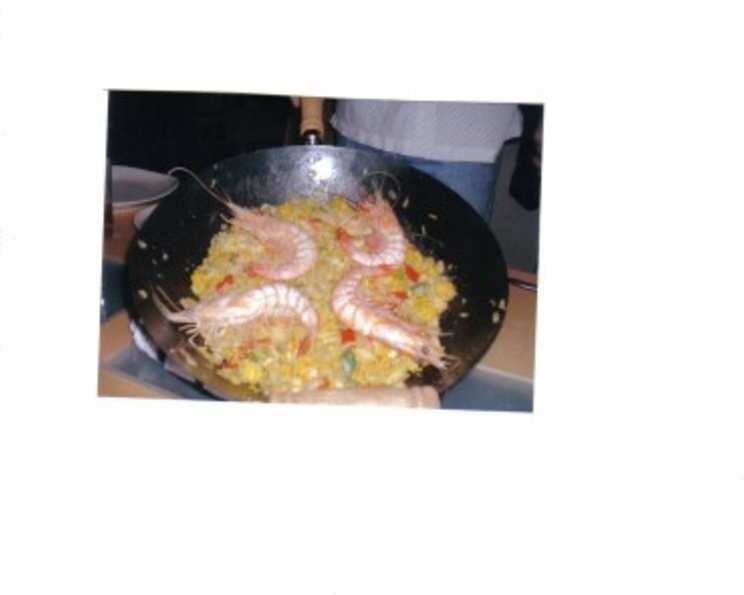
Paella a La Valenciana: A Culinary Journey to the Spanish Coast
The aroma of saffron-infused rice, mingling with the salty tang of the sea, instantly transports me back to a sun-drenched afternoon in Valencia. I was barely ten, perched on a wobbly stool beside my abuela, watching her expertly maneuver a massive paella pan over an open fire. The crackling flames danced beneath the pan as she added each ingredient with practiced precision, her movements a mesmerizing ballet of culinary tradition. That first taste, a symphony of textures and flavors, sparked a lifelong passion for this iconic Spanish dish.
Recipe Overview
- Prep Time: 30 minutes
- Cook Time: 45 minutes
- Total Time: 1 hour 15 minutes
- Servings: 4
- Yield: 1 paella
- Dietary Type: Varies (contains meat and seafood)
Ingredients
- ¼ cup oil
- ¼ kg pork, cut into bite-sized pieces
- 3 garlic cloves, minced
- ½ onion, chopped
- 1 tablespoon tomato puree
- ½ kg rice (Bomba or Calasparra preferred)
- ½ kg shrimp, shelled and deveined
- ½ chicken, cut into pieces
- 100 g chorizo sausage (Spanish sausage), sliced
- 3 green peppers, sliced
- 1 cup peas (fresh or frozen)
- 1 bay leaf
- Salt and pepper to taste
- 1 liter water
- 2 links pork sausage, chopped
- ½ cup squid, chopped
- ½ cup crawfish, chopped
- 3 artichoke hearts, quartered
- ¼ kg cockles
Equipment Needed
- Large paella pan (or wide, shallow skillet)
- Large pot
- Cutting board
- Knife
- Spatula
Instructions
- Begin by preparing the cockles. In a large pot, boil the cockles until all the shells are opened. Reserve the cockle water; this is crucial for the depth of flavor in your paella.
- In the paella pan, heat the oil over medium-high heat. Fry the pork until browned on all sides.
- Add the chicken pieces to the pan and fry until golden brown and cooked through. Remove the chicken and pork from the pan and set aside.
- Add the minced garlic and chopped onion to the pan and sauté until softened and translucent, about 5 minutes.
- Stir in the tomato puree and cook for another minute, allowing it to caramelize slightly.
- Add the sliced chorizo sausage, chopped pork sausage, squid, and crawfish to the pan. Cook for about 5 minutes, stirring occasionally, until the squid is tender.
- Return the chicken and pork to the pan. Add the sliced green peppers and artichoke hearts. Sauté for a few more minutes, allowing the flavors to meld.
- Now, add the rice to the pan. Fry the rice, stirring constantly, until it has absorbed all the moisture from the other ingredients and is lightly toasted, about 3-4 minutes. This step is essential for preventing a mushy paella.
- Pour in the reserved cockle water and the remaining water (if needed, to reach 1 liter total). Add the bay leaf. Season with salt and pepper to taste.
- Bring the mixture to a brisk boil. Then, reduce the heat to medium-low and simmer uncovered until the rice thickens and absorbs most of the liquid, about 15-20 minutes. Do not stir the paella after this point, as it will disrupt the formation of the socarrat (the crispy bottom layer).
- Add the shrimp, peas, and cockles to the pan. Gently press them into the rice.
- Continue to cook slowly until the rice is tender and all the liquid has been absorbed, about 10-15 minutes longer. The socarrat should be forming at the bottom of the pan. You can tell by the distinctive crackling sound.
- Remove the pan from the heat and cover it with a clean kitchen towel or aluminum foil. Let it rest for 20 minutes before serving. This allows the flavors to fully meld and the rice to finish cooking.
Expert Tips & Tricks
- Use the right rice: Bomba or Calasparra rice are specifically cultivated for paella. They absorb liquid well without becoming mushy.
- The socarrat is key: The crispy, caramelized bottom layer is a sign of a perfectly cooked paella. Listen for the crackling sound to know when it’s ready.
- Don’t stir the rice: Once the liquid is added, avoid stirring the paella to allow the socarrat to form and prevent a mushy texture.
- Saffron infusion: For a more intense saffron flavor, infuse a pinch of saffron threads in a small amount of warm water or broth for 30 minutes before adding it to the paella.
- Even cooking: Rotate the paella pan occasionally during cooking to ensure even heat distribution, especially if using a stovetop.
- Broth Enhancement: If you don’t have cockle water, high-quality fish or chicken broth can be used, but the cockle water adds a unique salinity.
Serving & Storage Suggestions
Serve the paella hot directly from the pan. Garnish with lemon wedges and fresh parsley, if desired. Traditionally, paella is eaten straight from the pan with spoons, encouraging a communal dining experience.
Leftover paella can be stored in an airtight container in the refrigerator for up to 2 days. Reheat gently in a pan over low heat or in the microwave. Adding a splash of broth or water during reheating can help prevent it from drying out. While freezing is possible, the texture of the rice may change slightly.
Nutritional Information
| Nutrient | Amount per Serving | % Daily Value |
|---|---|---|
| Calories | 668.7 kcal | N/A |
| Total Fat | 26.4 g | 40% |
| Saturated Fat | 7.15 g | 36% |
| Cholesterol | 207.9 mg | 69% |
| Sodium | 552.5 mg | 23% |
| Total Carbohydrate | 61.3 g | 20% |
| Dietary Fiber | 5.35 g | 21% |
| Sugars | 3.1 g | N/A |
| Protein | 44.3 g | 89% |
Note: Nutritional information is an estimate and may vary based on specific ingredients and portion sizes.
Variations & Substitutions
- Seafood Paella (Paella de Marisco): Omit the chicken and pork and add more seafood such as mussels, clams, scallops, and lobster.
- Vegetarian Paella: Substitute the meat and seafood with vegetables like mushrooms, bell peppers, zucchini, and eggplant. Use vegetable broth instead of water.
- Black Paella (Arroz Negro): Add squid ink to the broth for a dramatic black color and a unique seafood flavor.
- Spicy Paella: Add a pinch of smoked paprika or a chopped chili pepper to the pan for a touch of heat.
- Sausage Variety: Consider using different types of chorizo, such as spicy or sweet varieties, to tailor the flavor profile to your preference.
FAQs (Frequently Asked Questions)
Q: What makes Paella a La Valenciana different from other paella variations?
A: Authentic Paella a La Valenciana traditionally includes chicken, rabbit (though pork is often substituted), snails (optional), and specific vegetables like green beans and white beans. Seafood is not traditionally included in this original version.
Q: How do I prevent the rice from sticking to the bottom of the pan?
A: Using a paella pan with a dimpled bottom helps prevent sticking. Also, avoid stirring the rice once the liquid has been added. The small amount of sticking that does occur is desirable as it creates the socarrat.
Q: Can I make paella ahead of time?
A: Paella is best served immediately after cooking. While you can prepare the ingredients ahead of time (chopping vegetables, cooking meats), cooking the paella in advance and reheating it will compromise the texture and flavor.
Q: What type of pan is best for making paella?
A: A traditional paella pan is a wide, shallow pan with sloping sides. This shape allows for even cooking and evaporation of the liquid. If you don’t have a paella pan, a large, wide skillet can be used as a substitute.
Q: How do I know when the paella is done?
A: The rice should be tender and have absorbed all the liquid. The bottom layer should be slightly crispy (socarrat). Listen for a crackling sound, which indicates the formation of the socarrat.
Final Thoughts
Paella a La Valenciana is more than just a dish; it’s an experience, a celebration of Spanish culture and culinary tradition. Don’t be intimidated by the ingredient list or the process. Embrace the journey, experiment with flavors, and most importantly, share it with loved ones. Gather around the paella pan, savor the aroma, and create memories that will last a lifetime. And don’t forget a glass of crisp, dry Spanish white wine to perfectly complement the flavors!