
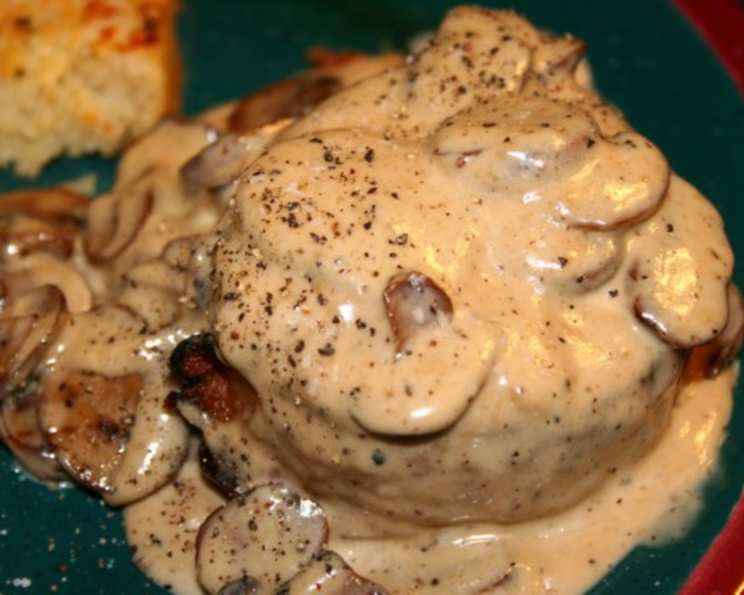
Pan Roast Beef Tenderloin with Mushroom Cream Sauce
The scent of seared beef tenderloin always transports me back to a tiny bistro in Paris, tucked away on a cobblestone street. The flickering candlelight, the soft murmur of conversation, and the intoxicating aroma of earthy mushrooms and rich cream sauce… It was there, years ago, that I first experienced this dish, and it remains etched in my memory as a symbol of culinary perfection and simple elegance. Now, whenever I prepare this dish, even in my own kitchen, I can almost feel the Parisian breeze.
Recipe Overview
- Prep Time: 10 minutes
- Cook Time: 30 minutes
- Total Time: 40 minutes
- Servings: 2
- Dietary Type: N/A
Ingredients
- 1 dash olive oil
- 1 teaspoon butter
- 2 (6 ounce) beef tenderloin steaks
- Salt and pepper, to taste
- 1 clove garlic
- 1 sprig thyme
- 6 tablespoons cognac (or white wine)
- 1⁄4 cup chicken broth
- 3⁄4 cup 35% cream (heavy cream)
- 1 cup assorted mushrooms, such as cremini, shiitake, or oyster
- Chopped parsley, for garnish
Equipment Needed
- Fry pan
- Second fry pan (for mushrooms)
Instructions
-
Begin by heating a fry pan over medium-high heat. Add a dash of olive oil and half a teaspoon of butter to the pan. The butter adds richness and helps with browning.
-
Season the beef tenderloin steaks generously with salt and pepper. This step is crucial for developing a flavorful crust. Don’t be shy with the seasoning!
-
Place the seasoned beef tenderloin steaks into the hot pan. Add the clove of garlic and the sprig of fresh thyme to the pan. These aromatics will infuse the beef with subtle flavors as it cooks.
-
Slowly pan roast the beef tenderloin on all sides, turning routinely every 2 to 3 minutes. This even cooking ensures a beautiful sear and consistent internal temperature.
-
To cook the beef tenderloin to medium, this should take approximately 10 to 12 minutes. Use a meat thermometer to check for doneness. For medium-rare, aim for an internal temperature of 130-135°F (54-57°C); for medium, 135-145°F (57-63°C); and for medium-well, 145-155°F (63-68°C).
-
Once the beef tenderloin steaks are nicely roasted and golden brown, remove them from the pan and keep them warm off to one side. A warm oven (around 200°F or 93°C) is ideal for this.
-
Pick out the clove of garlic and sprig of thyme from the pan and discard. Return the pan to the heat and add the cognac (or white wine). Immediately flambé the cognac, tilting the pan slightly towards the flame to ignite the alcohol and allowing the alcohol to burn off. Be careful and ensure adequate ventilation. If you are uncomfortable with flambéing, simply let the wine reduce by simmering in the pan.
-
Add the chicken stock to the pan and reduce by two-thirds. This concentrates the flavors and creates a richer base for the sauce.
-
Add the 35% cream (heavy cream) and simmer gently to reduce and thicken by half. Stir frequently to prevent scorching.
-
Season the sauce with salt and pepper to taste and keep the sauce warm on one side of the stovetop.
-
While the sauce is simmering, prepare the mushrooms. Using a clean fry pan, over high heat, quickly sauté your choice of assorted mushrooms that have been picked over and cut into hazelnut-size pieces. Cleaning mushrooms can be done with a brush or damp paper towel. Avoid soaking in water.
-
Sauté the mushrooms in a splash of olive oil and a dab of butter. The high heat will help the mushrooms brown beautifully and release their earthy flavors.
-
Season the mushrooms with salt and pepper. This should take 3 to 4 minutes for the mushrooms to soften and release some juices.
-
To assemble, arrange the beef tenderloin steaks and mushrooms on your plates, then drizzle the mushroom cream sauce around the mushrooms and a little over the tenderloin.
-
Sprinkle with chopped parsley for a touch of freshness and color. Serve immediately.
Expert Tips & Tricks
- Sear Perfection: Achieving a perfect sear on your tenderloin is key to flavor. Ensure the pan is screaming hot before adding the meat. A good sear locks in the juices and creates a delicious crust.
- Doneness Check: Use a reliable meat thermometer! It’s the most accurate way to ensure your tenderloin is cooked to your desired level of doneness. Remember that the meat will continue to cook slightly after being removed from the pan (carryover cooking).
- Sauce Consistency: If your cream sauce isn’t thickening enough, try adding a small amount of cornstarch slurry (cornstarch mixed with cold water). Add it gradually while whisking until you reach the desired consistency.
- Mushroom Variety: Don’t be afraid to experiment with different mushroom varieties! A mix of cremini, shiitake, and oyster mushrooms adds depth and complexity to the flavor profile.
- Make ahead tips: The mushroom cream sauce can be made a day in advance and stored in the refrigerator. Gently reheat before serving.
Serving & Storage Suggestions
Serve the pan-roasted beef tenderloin immediately for the best flavor and texture. The richness of the dish pairs beautifully with a simple side of roasted asparagus, garlic mashed potatoes, or a light green salad.
Leftovers can be stored in an airtight container in the refrigerator for up to 3 days. Reheat gently in a skillet over low heat, or in the microwave. Be careful not to overcook the beef during reheating, as it can become dry. Freezing is not recommended, as the cream sauce may separate upon thawing.
Nutritional Information
| Nutrient | Amount per Serving | % Daily Value |
|---|---|---|
| Calories | 650 kcal | 33% |
| Total Fat | 50g | 77% |
| Saturated Fat | 30g | 150% |
| Cholesterol | 240mg | 80% |
| Sodium | 200mg | 8% |
| Total Carbohydrate | 5g | 2% |
| Dietary Fiber | 1g | 4% |
| Sugars | 2g | 4% |
| Protein | 40g | 80% |
Variations & Substitutions
- Wine Substitution: If you don’t have cognac, you can use a dry sherry or even a good quality dry white wine like Sauvignon Blanc. The alcohol helps to deglaze the pan and adds depth of flavor to the sauce.
- Dairy-Free Option: For a dairy-free version, you can substitute the heavy cream with full-fat coconut cream or a cashew cream. Be aware that this will slightly alter the flavor of the sauce.
- Herb Infusion: Experiment with different herbs in addition to thyme. Rosemary or sage would also complement the beef and mushrooms nicely.
- Spicy Kick: Add a pinch of red pepper flakes to the mushroom cream sauce for a touch of heat.
FAQs (Frequently Asked Questions)
Q: Can I use frozen beef tenderloin?
A: While fresh is best, you can use frozen beef tenderloin. Make sure to thaw it completely in the refrigerator before cooking and pat it dry to ensure a good sear.
Q: How do I know when the beef is cooked to the right temperature without a thermometer?
A: The best way to ensure the correct doneness is with a thermometer. However, you can also use the touch test. Press the center of the steak with your finger. If it feels very soft, it’s rare. If it has some give but is still soft, it’s medium-rare. If it feels firm, it’s well-done.
Q: Can I make the mushroom cream sauce ahead of time?
A: Yes, the mushroom cream sauce can be made ahead of time and stored in the refrigerator for up to 24 hours. Reheat gently over low heat before serving.
Q: What if I don’t have cognac?
A: You can substitute with a dry sherry, dry white wine, or even a tablespoon of balsamic vinegar for a tangy twist.
Q: The cream sauce is too thin. How can I thicken it?
A: Simmer the sauce for a longer period to allow it to reduce and thicken naturally. Alternatively, whisk in a small amount of cornstarch slurry (1 teaspoon cornstarch mixed with 1 tablespoon cold water) to thicken the sauce quickly.
Final Thoughts
This Pan Roast Beef Tenderloin with Mushroom Cream Sauce is more than just a recipe; it’s an experience. It’s a dish that’s perfect for special occasions, romantic dinners, or simply when you want to treat yourself to something truly delicious. Don’t be intimidated by the elegant presentation – it’s surprisingly easy to make! I encourage you to try this recipe and share your feedback. Pair it with a robust red wine like a Cabernet Sauvignon or a Pinot Noir for an unforgettable culinary experience.