
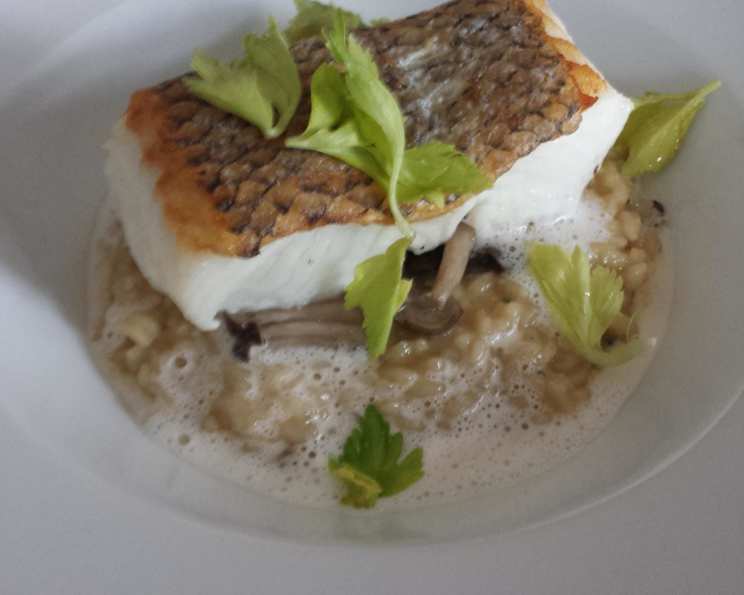
Pan-Roasted Chilean Sea Bass: A Culinary Symphony
The first time I tasted perfectly cooked Chilean Sea Bass, I was on a small fishing boat off the coast of Patagonia. The chef, a grizzled old man named Ricardo, simply seasoned it with salt and pepper and seared it in a cast iron pan over an open flame. The simplicity allowed the fish’s rich, buttery flavor to shine through, a taste so pure it transported me. That memory – the crisp sea air, the rhythmic creak of the boat, and that unforgettable bite – fuels my passion for recreating that experience in my own kitchen. This recipe, while refined, aims to capture the essence of that moment.
Recipe Overview
- Prep Time: 5 minutes
- Cook Time: 10-12 minutes
- Total Time: 15-17 minutes
- Servings: 2
- Dietary Type: Pescatarian, Gluten-Free, Dairy-Free Optional
Ingredients
- 7 ounces portions skin-on Chilean Sea Bass (2 portions)
- Sea salt, to taste
- White pepper, to taste
- 3 tablespoons Canola oil
- 2 tablespoons Butter (or olive oil for dairy-free)
- 10 sprigs Thyme
Equipment Needed
- Large skillet (preferably cast iron)
- Baking sheet
Instructions
-
Season the sea bass on each side generously with sea salt and white pepper. Ensure the seasoning is even to enhance the flavor of the entire fillet.
-
Place the sea bass fillets in the center of the skillet, skin side down. It’s crucial that the pan is preheated over medium-high heat before adding the oil. The heat helps to create a crispy skin.
-
Cook the sea bass until the skin starts to crisp, about 3 to 4 minutes per side, maintaining moderate heat. Avoid moving the fillets around too much; this will allow the skin to develop a beautiful golden-brown crust.
-
Carefully flip the sea bass fillets over, using a fish spatula to prevent tearing.
-
Add the butter (or olive oil) and thyme sprigs to the pan. Baste the sea bass with the melted butter and thyme repeatedly, infusing the fish with the aromatic flavors. This basting step is crucial for adding moisture and richness to the fish.
-
Transfer the sea bass to a baking sheet to finish in a preheated 500-degree Fahrenheit oven for about 3-4 minutes. The high heat from the oven will ensure the fish is cooked through without drying out the exterior. To test for doneness, gently flake the fish with a fork; it should be opaque and easily separate.
Expert Tips & Tricks
- Achieving the Perfect Sear: The secret to crispy skin is a hot pan and dry fish. Pat the sea bass fillets dry with paper towels before seasoning.
- Basting is Key: Don’t skimp on the basting. It’s what keeps the fish moist and adds depth of flavor. Use a spoon to continuously baste the fish with the melted butter and thyme-infused oil.
- Oven Timing: Keep a close eye on the fish in the oven. Overcooking will result in dry sea bass. The internal temperature should reach 145°F (63°C).
- Thyme Substitute: If you don’t have fresh thyme, you can use dried thyme, but use about half the amount as the flavor is more concentrated. Other herbs like rosemary or sage can also be used for a different flavor profile.
- Pan Choice Matters: A cast iron skillet is ideal for achieving a crispy sear because it retains heat exceptionally well. However, any heavy-bottomed skillet will work. Avoid non-stick pans, as they don’t typically get hot enough for optimal searing.
- Consider using a compound butter. Before you start cooking, mix the butter with minced garlic, lemon zest, and chopped parsley for an extra layer of flavor.
Serving & Storage Suggestions
Serve the pan-roasted Chilean sea bass immediately while it’s hot and the skin is crispy. It pairs beautifully with a simple side of roasted asparagus, sautéed spinach, or a creamy risotto. A squeeze of fresh lemon juice before serving brightens the flavors.
To store leftovers, allow the fish to cool completely before placing it in an airtight container. Refrigerate for up to 2 days. Reheat gently in a low oven (around 275°F or 135°C) to prevent drying out. You can also reheat it in a skillet over low heat, but the skin will lose some of its crispiness. Freezing is not recommended as it can affect the texture of the fish.
Nutritional Information
| Nutrient | Amount per Serving | % Daily Value |
|---|---|---|
| Calories | 767.3 kcal | N/A |
| Total Fat | 69 g | 106% |
| Saturated Fat | 18.7 g | 93% |
| Cholesterol | 142.4 mg | 47% |
| Sodium | 337.6 mg | 14% |
| Total Carbohydrate | 0 g | 0% |
| Dietary Fiber | 0 g | 0% |
| Sugars | 0 g | 0% |
| Protein | 36.8 g | 73% |
Note: Nutritional information is an estimate and may vary based on specific ingredients and portion sizes.
Variations & Substitutions
- Spice it up: Add a pinch of red pepper flakes to the pan for a touch of heat.
- Lemon Herb Butter: Infuse the butter with lemon zest, chopped parsley, and a squeeze of lemon juice for a bright, citrusy flavor.
- Mediterranean Twist: Add chopped sun-dried tomatoes, Kalamata olives, and a sprinkle of feta cheese after cooking for a Mediterranean-inspired dish.
- Dairy-Free Option: Substitute olive oil for the butter to keep the recipe dairy-free.
- Different Herbs: Experiment with other herbs like rosemary, sage, or oregano instead of thyme.
- Citrus Infusion: Add lemon or orange slices to the pan while cooking to infuse the fish with a subtle citrus flavor.
FAQs (Frequently Asked Questions)
Q: Can I use frozen sea bass for this recipe?
A: Yes, you can use frozen sea bass, but make sure to thaw it completely before cooking. Pat it dry with paper towels to remove any excess moisture, which will help achieve a crispy skin.
Q: How do I know when the sea bass is cooked through?
A: The sea bass is cooked through when it is opaque and flakes easily with a fork. The internal temperature should reach 145°F (63°C).
Q: Can I bake the sea bass entirely in the oven?
A: Yes, you can bake the sea bass entirely in the oven at 400°F (200°C) for about 10-12 minutes, or until cooked through. However, searing it in a pan first helps develop a flavorful crust.
Q: What if I don’t have a cast iron skillet?
A: Any heavy-bottomed skillet will work, but cast iron retains heat exceptionally well, which is ideal for achieving a crispy sear. Avoid using non-stick pans, as they don’t typically get hot enough.
Q: How can I prevent the fish from sticking to the pan?
A: Make sure the pan is hot enough before adding the oil and fish. Also, avoid moving the fish around too much while it’s searing. This will allow a crust to form, which will naturally release the fish from the pan.
Final Thoughts
Pan-roasted Chilean sea bass is more than just a recipe; it’s an experience. The combination of a perfectly seared crust, moist, flaky flesh, and aromatic herbs creates a symphony of flavors that will tantalize your taste buds. I encourage you to try this recipe and share your feedback. Pair it with a crisp white wine like Sauvignon Blanc for an unforgettable culinary journey. Don’t be afraid to experiment with different herbs and spices to create your own signature version. Happy cooking!