
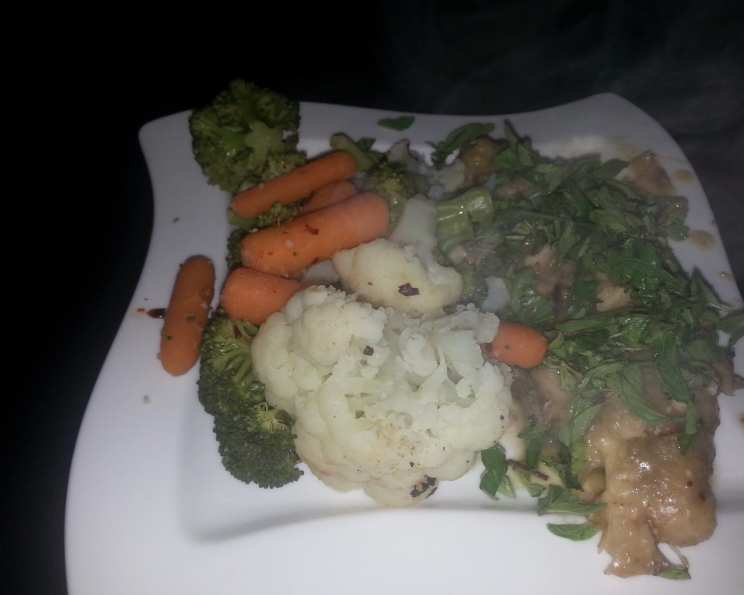
Pan-Roasted White Bass with Wine Butter Sauce: A Taste of the Lake
The first time I tasted white bass prepared this way was at a lakeside cabin during a family reunion. My uncle, a seasoned fisherman, had hauled in a generous catch that morning, and my aunt, a culinary whiz, transformed it into a dish I still dream about. The flaky, mild fish, pan-seared to a golden crisp and then bathed in a rich, wine-infused butter sauce, was simply divine. The aroma of garlic and herbs filled the air as we gathered around the picnic table, the setting sun painting the lake in hues of orange and gold. It was a perfect summer evening, made even more memorable by this simple yet elegant dish.
Recipe Overview
- Prep Time: 15 minutes
- Cook Time: 15 minutes
- Total Time: 30 minutes
- Servings: 2
- Dietary Type: Pescatarian
Ingredients
- 2 filets whole firm-fleshed fish, about 1 lb each (scaled and gutted)
- 6 large garlic cloves, peeled, cut in thirds
- 2 tablespoons olive oil
- 1 cup flour
- 2 tablespoons fresh oregano, chopped
- 1 1⁄2 teaspoons salt
- 1 teaspoon hot sauce
- 1 cup white wine
- 1 tablespoon butter
- 2 tablespoons lemon juice
- Lemon slice (to garnish)
Equipment Needed
- Sauté pan (large enough to hold both fish filets)
- Plate
- Warmed side plate
Instructions
-
Begin by preparing the white bass. Wash the fish filets thoroughly under cold water and then pat them completely dry with paper towels. Ensuring the fish is dry is crucial for achieving a good sear.
-
Spread the flour evenly on a plate. This will be used to dredge the fish, creating a light, crispy crust.
-
Season the fish filets generously with salt on both sides. Then, dredge each filet in the flour, ensuring they are completely coated. Shake off any excess flour to avoid a gummy texture when cooking. Allow the floured fish to rest for about 20 minutes. This resting period allows the flour to adhere to the fish, resulting in a more even and crisper crust.
-
Heat the olive oil in a sauté pan over high heat. The pan should be large enough to hold both fish filets without overcrowding, which can lower the temperature and steam the fish instead of searing it.
-
When the oil is very hot but not yet smoking, add the garlic cloves, cut into thirds. Toss the garlic around in the hot oil for about a minute, until they become fragrant and lightly golden. Be careful not to burn the garlic, as this will impart a bitter taste to the dish.
-
Carefully place the floured fish filets in the hot pan. Brown them for about 1-1/2 minutes on each side, undisturbed. This will create a beautiful golden-brown crust.
-
Lower the heat to medium, cover the pan, and cook for about 10 minutes, turning the fish once halfway through. This cooking time is for fish that is about 1 inch thick at its thickest part. Adjust the time accordingly for thinner or thicker filets. The fish is done when it flakes easily with a fork.
-
Remove the cooked fish filets from the pan and transfer them to a warmed side plate to keep them warm while you prepare the sauce.
-
Add the white wine to the pan. Raise the heat to high and quickly reduce the wine to a syrupy consistency, scraping all around the pan to loosen any browned bits clinging to the bottom. These browned bits, known as fond, are packed with flavor and will add depth to the sauce.
-
Remove pan from heat. Add the butter to the pan and swirl it gently until it melts and blends into the reduced wine. The butter will add richness and smoothness to the sauce.
-
Add the hot sauce and lemon juice. Correct the seasoning with additional salt if needed. Pour the sauce generously over the fish filets.
-
Garnish with fresh oregano and lemon slices. Serve immediately and enjoy!
Expert Tips & Tricks
- For an extra crispy crust, consider using a mixture of all-purpose flour and cornstarch. The cornstarch helps to create a lighter, crispier texture.
- Don’t overcrowd the pan when searing the fish. If your pan isn’t large enough to hold both filets without touching, cook them in batches to ensure proper browning.
- If you don’t have fresh oregano, dried oregano can be substituted. Use about 1 teaspoon of dried oregano in place of the 2 tablespoons of fresh.
- To check for doneness, gently insert a fork into the thickest part of the fish. If the fish flakes easily, it is cooked through.
- If the sauce is too thin, you can thicken it slightly by whisking in a small amount of cornstarch slurry (1 teaspoon cornstarch mixed with 1 tablespoon cold water).
Serving & Storage Suggestions
Serve the pan-roasted white bass immediately, garnished with fresh oregano and lemon slices. It pairs well with a variety of side dishes, such as roasted vegetables (asparagus, broccoli, or green beans), mashed potatoes, rice pilaf, or a simple salad.
Leftover fish can be stored in an airtight container in the refrigerator for up to 2 days. Reheat gently in a skillet over low heat or in the microwave until warmed through. Be careful not to overcook the fish when reheating, as it can become dry. The sauce can also be stored separately in the refrigerator and reheated gently.
Do not leave the cooked fish at room temperature for more than two hours, as this can increase the risk of bacterial growth. Freezing is not recommended, as it can change the texture of the fish.
Nutritional Information
| Nutrient | Amount per Serving | % Daily Value |
|---|---|---|
| Calories | 516.5 kcal | N/A |
| Calories from Fat | 180 g | 35% |
| Total Fat | 20 g | 30% |
| Saturated Fat | 5.6 g | 28% |
| Cholesterol | 15.3 mg | 5% |
| Sodium | 1866.5 mg | 77% |
| Total Carbohydrate | 56.1 g | 18% |
| Dietary Fiber | 2.4 g | 9% |
| Sugars | 1.9 g | 7% |
| Protein | 7.4 g | 14% |
Note: Nutritional information is an estimate and may vary based on specific ingredients and cooking methods.
Variations & Substitutions
- Gluten-Free: Use gluten-free all-purpose flour instead of regular flour for dredging the fish.
- Herb Variations: Experiment with different herbs in place of oregano, such as thyme, rosemary, or parsley.
- Wine Substitution: If you don’t have white wine, you can use chicken broth or vegetable broth instead. However, the flavor will be slightly different.
- Spice Level: Adjust the amount of hot sauce to suit your taste. For a milder dish, omit the hot sauce altogether. For a spicier dish, add a pinch of red pepper flakes.
- Fish Type: While this recipe is designed for white bass, other firm-fleshed white fish such as snapper, cod, or halibut can also be used. Cooking times may need to be adjusted depending on the thickness of the fish.
FAQs (Frequently Asked Questions)
Q: Can I use frozen fish for this recipe?
A: Yes, you can use frozen fish, but be sure to thaw it completely before cooking. Pat it dry thoroughly to remove any excess moisture.
Q: How do I know when the fish is cooked through?
A: The fish is done when it flakes easily with a fork. Insert a fork into the thickest part of the fish and gently twist. If the fish separates easily, it is cooked through.
Q: Can I make the sauce ahead of time?
A: It’s best to make the sauce fresh, right before serving, as it can separate if stored for too long.
Q: What if I don’t have fresh oregano?
A: You can substitute dried oregano. Use about 1 teaspoon of dried oregano for every 2 tablespoons of fresh oregano.
Q: What side dishes pair well with this dish?
A: Roasted vegetables, mashed potatoes, rice pilaf, or a simple salad are all excellent choices.
Final Thoughts
This Pan-Roasted White Bass with Wine Butter Sauce is a dish that’s both simple enough for a weeknight dinner and elegant enough for a special occasion. The combination of the crispy, flavorful fish and the rich, aromatic sauce is simply irresistible. I encourage you to give this recipe a try and experience the taste of the lake for yourself. Don’t be afraid to experiment with different herbs and spices to create your own unique variation. And please, share your feedback – I’d love to hear how it turned out! Pair this dish with a crisp Sauvignon Blanc for a truly memorable meal. Happy cooking!