
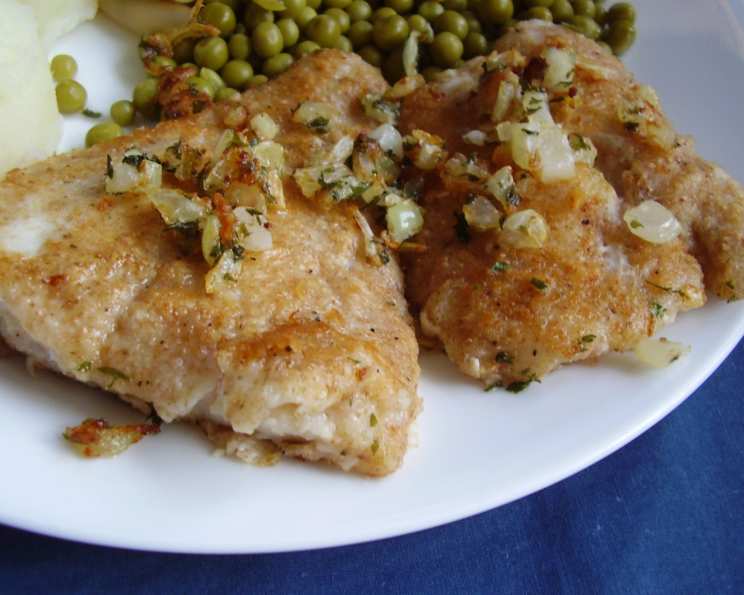
Perfectly Pan-Seared Haddock: A Chef’s Guide
My grandmother, Nana Elsie, wasn’t a fancy cook, but she knew her way around simple, satisfying meals. I remember her pan-searing haddock with a pat of butter and a sprinkle of dried dill. The aroma alone was enough to make my mouth water, and the taste – flaky, tender fish with a hint of richness – was pure comfort. This recipe is my slightly elevated take on her classic, paying homage to the simplicity of her cooking while adding a few chefy touches that elevate the flavors.
Recipe Overview
- Prep Time: 5 minutes
- Cook Time: 10 minutes
- Total Time: 15 minutes
- Servings: 1
- Dietary Type: Pescatarian, Gluten-Free (if using gluten-free flour)
Ingredients
- 1 haddock fillet, 6 ounces
- 1 1⁄2 teaspoons olive oil
- 1 tablespoon butter
- 1 teaspoon chopped shallot
- 1 teaspoon chopped thyme
- 2 tablespoons pan searing flour (all-purpose or gluten-free blend)
Equipment Needed
- Skillet (preferably non-stick or cast iron)
- Spatula or fish turner
- Thermometer
Instructions
-
Start by preparing the haddock. Coat the haddock fillet evenly on all sides with the pan searing flour. Be sure to pat off any excess flour; this ensures a crisp sear rather than a gummy coating.
-
Place a skillet on the stovetop and heat it over medium-high heat. The type of skillet you use matters here. A non-stick skillet will make it easier to flip the fish, but a cast iron skillet will give you the best sear.
-
Pour approximately 1 1/2 teaspoons of olive oil into the skillet, enough to lightly coat the surface.
-
Patience is key: Wait until the oil faintly smokes before adding the haddock. This ensures that the pan is hot enough for a proper sear. If the pan isn’t hot enough, the fish will steam instead of sear, resulting in a less desirable texture.
-
Carefully place the haddock in the hot oil. Avoid overcrowding the pan if you’re making multiple fillets – it’s better to cook them in batches.
-
Let the haddock sear undisturbed. You’ll notice the sides of the fillet changing color, progressing about 1/3 to 1/2 of the way up. This should take approximately 1 to 2 minutes. Watch closely!
-
Carefully turn the haddock using a spatula or fish turner. Be gentle to avoid breaking the fillet.
-
Immediately lower the heat to medium to prevent the butter from burning later on. Continue cooking until the internal temperature of the haddock reaches 130°F (54°C). Using a thermometer is the most accurate way to ensure the fish is cooked perfectly. Insert the probe into the thickest part of the fillet.
-
Add the butter, chopped shallot, and chopped thyme to the pan. The butter will melt quickly in the hot pan.
-
Blend the butter, shallots, and thyme together, being careful not to burn the butter. The shallots will soften and release their flavor into the melted butter, creating a simple yet delicious sauce.
-
Baste the haddock fillet with the melted butter mixture. Continue cooking until the internal temperature reaches 140°F (60°C). This final basting infuses the haddock with the flavors of the butter, shallots, and thyme, creating a truly memorable dish.
Expert Tips & Tricks
- Achieving a Perfect Sear: The key to a beautiful sear is a hot pan and dry fish. Patting the haddock dry with paper towels before flouring ensures that the flour adheres properly and creates a crispy crust.
- Flavor Infusion: For an even more intense flavor, try infusing the olive oil with garlic or herbs before searing the haddock. Simply heat the olive oil with crushed garlic cloves or sprigs of rosemary for a few minutes, then remove the garlic or herbs before adding the fish.
- Doneness Test: If you don’t have a thermometer, you can check for doneness by flaking the fish with a fork. If the fish flakes easily and is opaque throughout, it’s done.
- Preventing Overcooking: Haddock, like most fish, can easily become overcooked and dry. The key is to pull it from the heat just before it reaches the desired internal temperature, as it will continue to cook slightly from residual heat.
- Gluten-Free Variation: To make this recipe gluten-free, simply substitute all-purpose flour with a gluten-free flour blend.
Serving & Storage Suggestions
Serve the pan-seared haddock immediately for the best flavor and texture. Garnish with a sprinkle of fresh thyme or a squeeze of lemon juice. Excellent side dishes include roasted vegetables, mashed potatoes, or a simple green salad.
Leftover cooked haddock can be stored in an airtight container in the refrigerator for up to 2 days. To reheat, gently warm it in a skillet over low heat or in a microwave. Be careful not to overcook it, as it can become dry. Avoid freezing cooked haddock, as it can significantly affect the texture.
Nutritional Information
| Nutrient | Amount per Serving | % Daily Value |
|---|---|---|
| Calories | 308 kcal | N/A |
| Calories from Fat | 172 kcal | N/A |
| Total Fat | 19.1 g | 29% |
| Saturated Fat | 8.4 g | 41% |
| Cholesterol | 87.5 mg | 29% |
| Sodium | 150.7 mg | 6% |
| Total Carbohydrate | 12.6 g | 4% |
| Dietary Fiber | 0.5 g | 1% |
| Sugars | 0.1 g | 0% |
| Protein | 20.8 g | 41% |
Variations & Substitutions
- Lemon-Caper Sauce: Instead of thyme, add a tablespoon of capers and a squeeze of lemon juice to the pan along with the butter and shallots.
- Garlic Herb Butter: Infuse the butter with minced garlic and your favorite fresh herbs, such as parsley, chives, or dill.
- Spicy Haddock: Add a pinch of red pepper flakes to the flour for a hint of spice.
- Wine Reduction: After searing the haddock, deglaze the pan with a splash of white wine and let it reduce before adding the butter and herbs.
- Other Fish: Cod, pollock, or halibut can be substituted for haddock.
FAQs (Frequently Asked Questions)
Q: How do I prevent the fish from sticking to the pan?
A: Make sure your pan is properly heated and that you’re using enough oil. Also, don’t move the fish around too much while it’s searing; let it develop a crust before trying to flip it.
Q: Can I use dried thyme instead of fresh?
A: Yes, but use about half the amount, as dried herbs are more concentrated in flavor.
Q: What is the best way to tell if the haddock is cooked through?
A: The most accurate way is to use a thermometer and check for an internal temperature of 140°F (60°C). Otherwise, the fish should flake easily with a fork and be opaque throughout.
Q: Can I make this recipe ahead of time?
A: While it’s best served immediately, you can prepare the shallots and thyme ahead of time.
Q: What is “pan searing flour” and can I use regular flour?
A: “Pan searing flour” refers to flour used for searing. It’s typically all-purpose flour but can also be a gluten-free blend. The key is to use a small amount to create a crust without making the fish heavy.
Final Thoughts
I encourage you to try this simple yet elegant pan-seared haddock recipe. It’s a delicious and healthy way to enjoy a classic seafood dish. Don’t be afraid to experiment with different herbs and seasonings to create your own unique flavor profile. Whether you’re a seasoned chef or a novice cook, this recipe is sure to impress. Serve it with a crisp white wine and enjoy! I’d love to hear how it turns out for you, so please share your feedback.