
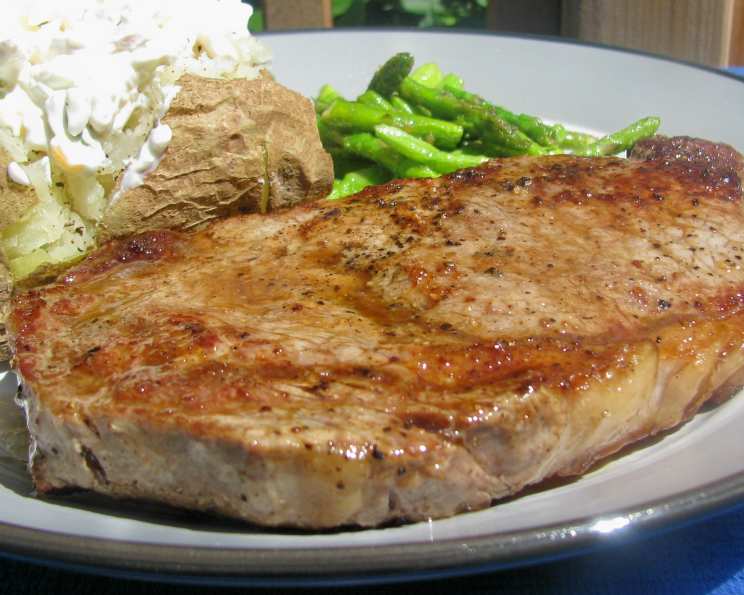
The Ultimate Pan-Seared Steak: An Alton Brown Masterpiece
I remember the first time I truly understood the magic of a perfectly seared steak. It was a weeknight, and I was attempting to impress a date with my culinary prowess (or lack thereof, at the time). I followed a complicated recipe involving multiple pans and a questionable wine reduction. The result? A gray, rubbery disappointment. Defeated, I stumbled upon Alton Brown’s method, the simplicity of which was almost insulting. But trust me, this isn’t just simple – it’s revolutionary. This technique, utilizing high heat and a cast-iron skillet, unlocks flavors and textures I didn’t think possible, making it a staple in my kitchen ever since. Prepare for steak perfection!
Recipe Overview
- Prep Time: 45 minutes
- Cook Time: 10 minutes
- Total Time: 55 minutes
- Servings: 2
- Dietary Type: Protein-rich
Ingredients
- 1 rib eye steak or 2 New York strip steaks, 1 1/2-inch thick
- Vegetable oil, to coat
- Kosher salt
- Freshly ground black pepper
Equipment Needed
- 10 to 12-inch cast iron skillet
- Oven
- Tongs
- Aluminum Foil
Instructions
- Begin by removing the steak(s) from the refrigerator. This crucial step allows them to gradually come to room temperature. Leave them uncovered for approximately 30 to 45 minutes. This ensures more even cooking throughout.
- While the steak(s) are resting, place a 10 to 12-inch cast iron skillet inside the oven. Preheat the oven to 500 degrees F (260 degrees C). The cast iron needs to get screaming hot.
- Once the oven reaches temperature, carefully remove the hot cast iron pan and place it on a burner set to high heat. Be extremely cautious as the pan will be incredibly hot!
- Lightly coat the steak(s) with vegetable oil. This minimal amount of oil helps to facilitate the searing process.
- Generously season both sides of the steak(s) with a generous pinch of kosher salt. Don’t be shy; salt is key to drawing out flavor and creating a beautiful crust. Grind fresh black pepper onto both sides, adjusting the amount to your preference.
- Immediately place the seasoned steak(s) in the middle of the scorching hot, dry cast iron pan. Let them cook undisturbed for 30 to 60 seconds. This is where the magic starts, so resist the urge to move the steak(s).
- Using tongs, carefully turn the steak(s) and cook for another 30 to 60 seconds. The steak(s) should now have a nice sear.
- Transfer the cast iron pan directly from the burner into the preheated 500-degree F oven. Cook for 3 to 5 minutes. The total oven time will depend on the thickness of your steak(s) and desired level of doneness.
- Flip the steak(s) again using tongs and cook for another 3 to 5 minutes. Again, the exact timing will vary. For medium-rare, aim for the lower end of the time range.
- Remove the steak(s) from the pan and place them on a cutting board. Tent them loosely with aluminum foil and let them rest for at least 2 minutes. This allows the juices to redistribute, resulting in a more tender and flavorful steak.
- Serve the steak(s) whole or slice thinly against the grain and fan onto a plate.
Expert Tips & Tricks
- Don’t overcrowd the pan: If you’re cooking multiple steaks, ensure there’s enough space around each one for proper searing. Overcrowding will lower the pan’s temperature and result in steaming rather than searing. Work in batches if needed.
- Use a meat thermometer: For perfect doneness, use a reliable meat thermometer. Insert it into the thickest part of the steak(s), avoiding bone. Here are some target temperatures:
- Rare: 125-130°F (52-54°C)
- Medium-Rare: 130-135°F (54-57°C)
- Medium: 135-145°F (57-63°C)
- Medium-Well: 145-155°F (63-68°C)
- Well-Done: 155°F+ (68°C+)
- Don’t skip the resting period: Resting is just as important as the cooking process. The foil tent helps retain heat while allowing the muscle fibers to relax and reabsorb the juices.
- Season aggressively: Don’t be afraid of salt and pepper. A well-seasoned steak is a flavorful steak.
Serving & Storage Suggestions
Serve your beautifully seared steak immediately. Consider pairing it with classic sides such as roasted asparagus, creamy mashed potatoes, or a fresh green salad. For a more sophisticated touch, try a red wine reduction sauce or a dollop of herbed butter.
Leftover cooked steak can be stored in an airtight container in the refrigerator for up to 3 days. To reheat, gently warm it in a skillet over low heat or in a 300°F (150°C) oven. Avoid microwaving, as it can make the steak tough. Sliced steak is also excellent cold in salads or sandwiches.
Nutritional Information
| Nutrient | Amount per Serving | % Daily Value |
|---|---|---|
| Calories | 600 kcal | 30% |
| Total Fat | 45g | 69% |
| Saturated Fat | 20g | 100% |
| Cholesterol | 200mg | 67% |
| Sodium | 500mg | 22% |
| Protein | 50g | 100% |
| Iron | 5mg | 28% |
Note: Nutritional information is an estimate and may vary depending on the specific cut of steak and portion size.
Variations & Substitutions
- Herb-Infused Oil: Add fresh herbs like rosemary, thyme, or garlic to the vegetable oil before coating the steak(s) for an extra layer of flavor.
- Different Cuts: While this recipe works best with rib eye or New York strip, you can also try it with other cuts like sirloin or filet mignon, adjusting the cooking time accordingly.
- Compound Butter: Elevate your steak with a pat of homemade compound butter. Mix softened butter with herbs, garlic, spices, or even a touch of blue cheese for a gourmet touch.
- Spice Rub: For a bolder flavor, rub the steak(s) with a blend of spices like smoked paprika, garlic powder, onion powder, and chili powder before searing.
FAQs (Frequently Asked Questions)
Q: Why do I need to bring the steak to room temperature before cooking?
A: Bringing the steak to room temperature allows it to cook more evenly. Cold steak(s) will take longer to heat through, leading to a potentially overcooked exterior.
Q: Can I use a different type of pan instead of a cast iron skillet?
A: While a cast iron skillet is ideal for searing due to its excellent heat retention, you can use a heavy-bottomed stainless steel pan as a substitute. Avoid non-stick pans, as they don’t handle high heat well.
Q: How do I know when the steak is done to my liking?
A: The best way to determine doneness is to use a meat thermometer. Refer to the temperature guide in the “Expert Tips & Tricks” section.
Q: What if I don’t have an oven-safe skillet?
A: If your skillet isn’t oven-safe, you can sear the steak(s) on the stovetop and then finish cooking them in the oven on a separate baking sheet.
Q: Can I use this method on a grill?
A: Yes, you can adapt this method for a grill. Preheat your grill to high heat, sear the steak(s) directly over the flames, and then move them to a cooler part of the grill to finish cooking.
Final Thoughts
This pan-seared steak method, perfected by the one and only Alton Brown, is a game-changer. It’s simple, reliable, and delivers restaurant-quality results every time. So, ditch the fancy techniques and embrace the power of high heat and a cast iron skillet. I guarantee you’ll impress yourself and anyone lucky enough to share your table. Don’t hesitate to experiment with variations and pairings to make it your own signature dish. And most importantly, enjoy the process and the delicious reward! Cheers to perfectly seared steak(s)!