
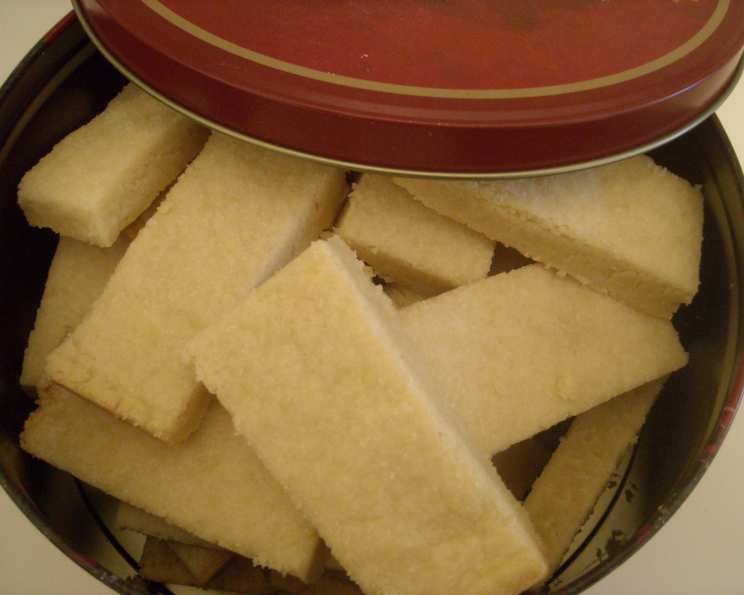
The Easiest Pan Shortbread You’ll Ever Make
My earliest memory of shortbread isn’t from a fancy bakery or a quaint tea room. It’s from my grandmother’s kitchen, a place perpetually filled with the aroma of warm butter and sugar. She always had a tin of Walker’s shortbread on hand for unexpected guests, but sometimes, when I was really lucky, she would pull out a pan of her own, slightly crumbly, wonderfully buttery version. The edges were always the best, slightly browned and caramelized. This recipe reminds me of those happy afternoons, though I have to admit, I think it surpasses even my grandmother’s beloved treats.
Recipe Overview
- Prep Time: 15 minutes
- Cook Time: 20-22 minutes
- Total Time: 35-37 minutes
- Yields: 24-48 squares
- Serves: 48
- Dietary Type: Not specified
Ingredients
- 2 cups butter (no substitutes)
- 1 cup white sugar
- 2 teaspoons cornstarch
- 4 cups all-purpose white flour
- ¼ cup white sugar (or less to sprinkle over the top)
- Optional: colored sugar for sprinkling
Equipment Needed
- Medium-sized cookie sheet with sides
- Mixer (stand or hand-held)
- Sifter
- Rolling pin (optional)
Instructions
-
Begin by mixing the butter until it reaches a light and fluffy consistency. This is crucial for achieving that melt-in-your-mouth texture that defines good shortbread. Ensure the butter is at room temperature for the best results.
-
Add 1 cup of white sugar to the butter and continue beating until the mixture is light and fluffy. Don’t rush this step; proper creaming of the butter and sugar incorporates air, which contributes to the shortbread’s delicate crumb.
-
In a separate bowl, sift together the flour and cornstarch. Sifting ensures that the flour is evenly distributed and helps to prevent lumps, which can lead to a tougher shortbread. The cornstarch also contributes to the tender texture.
-
Gradually add the flour/cornstarch mixture to the butter/sugar mixture, incorporating one cup at a time. Ensure each cup is well combined before adding the next. This prevents the flour from overwhelming the butter and sugar, which can result in a dry, crumbly dough.
-
Continue to combine the flour into the mixture until all of it is incorporated and the dough comes together. This may take a few minutes, but be patient and mix well. The dough will be quite dry, but it should hold together when pressed.
-
Dump the dough onto a clean medium-sized cookie sheet with sides. Using a pan with sides is important as the butter will melt during baking.
-
Spread the dough out evenly, covering the entire sheet. I find the easiest way to do this is to use a rolling pin and roll it gently over the top. This ensures a uniform thickness and eliminates any finger prints from the surface. You can also use your fingers to press the dough into the corners and edges of the pan.
-
Sprinkle ¼ cup (or less) of sugar evenly over the top. You can use plain white sugar, or for a festive touch, try colored sugar. I never measure, I just sprinkle until it has a little sparkle.
-
Bake at 325°F (163°C) for approximately 20 minutes. Keep a close eye on the shortbread; baking times can vary depending on your oven. You might need to add a minute or two until the edges are lightly browned. My oven tends to run hot.
-
Remove the shortbread from the oven and, while it’s still warm, cut it into squares or rectangles through the shortbread. This is much easier to do while it’s still soft, and it will ensure clean cuts.
-
Let the shortbread cool completely in the pan before removing the squares.
-
For an extra touch of indulgence, once cooled, you can dip one end into melted chocolate and then roll it in sprinkles. This is a completely optional step, but it adds a touch of decadence and visual appeal.
Expert Tips & Tricks
- Room temperature butter is key. It creams much better with the sugar, leading to a lighter, more tender shortbread. If you forget to take the butter out in advance, you can carefully microwave it in short bursts, but be careful not to melt it!
- Don’t overmix the dough. Overmixing develops the gluten in the flour, resulting in a tougher shortbread. Mix just until the ingredients are combined.
- If you don’t have a rolling pin, you can use the bottom of a flat measuring cup to press the dough into an even layer.
- For a richer flavor, try using salted butter. The salt enhances the sweetness of the sugar.
- If your shortbread is browning too quickly, tent it with foil during the last few minutes of baking.
Serving & Storage Suggestions
This pan shortbread is perfect served with a cup of tea or coffee. It also makes a lovely addition to a dessert platter. Store the shortbread in an airtight container at room temperature for up to a week. You can also freeze it for longer storage. To freeze, wrap the shortbread tightly in plastic wrap and then place it in a freezer-safe bag. It will keep in the freezer for up to 2 months. Thaw at room temperature before serving. If you have dipped your shortbread in chocolate, consider storing in a single layer so the chocolate doesn’t smudge.
Nutritional Information
Please note that the nutritional information is an estimate and may vary based on specific ingredients and portion sizes.
| Nutrient | Amount per Serving | % Daily Value |
|---|---|---|
| Calories | 126 kcal | N/A |
| Calories from Fat | 69 kcal | N/A |
| Total Fat | 7.8 g | 11% |
| Saturated Fat | 4.9 g | 24% |
| Cholesterol | 20.3 mg | 6% |
| Sodium | 54.7 mg | 2% |
| Total Carbohydrate | 13.3 g | 4% |
| Dietary Fiber | 0.3 g | 1% |
| Sugars | 5.2 g | 20% |
| Protein | 1.2 g | 2% |
Variations & Substitutions
- Lemon Shortbread: Add the zest of one lemon to the butter and sugar mixture for a bright, citrusy flavor.
- Lavender Shortbread: Mix in 1 teaspoon of dried culinary lavender to the flour mixture.
- Chocolate Chip Shortbread: Fold in ½ cup of mini chocolate chips to the dough before pressing it into the pan.
- Gluten-Free Shortbread: Substitute the all-purpose flour with a gluten-free all-purpose flour blend. You may need to add a tablespoon or two of milk to bring the dough together.
- Brown Sugar Shortbread: Replace half of the white sugar with packed light brown sugar for a richer, caramel-like flavor.
FAQs (Frequently Asked Questions)
Q: Can I use margarine instead of butter?
A: While you technically can, I strongly recommend using real butter for the best flavor and texture. Margarine won’t provide the same rich, melt-in-your-mouth experience.
Q: My shortbread is too crumbly. What did I do wrong?
A: This usually indicates that the dough was overworked, or that not enough fat was present. Be sure to measure your ingredients accurately and mix until just combined.
Q: Can I make the dough ahead of time?
A: Yes! You can prepare the dough, press it into the pan, and wrap it tightly with plastic wrap. Store it in the refrigerator for up to 2 days or in the freezer for up to a month. Let it come to room temperature before baking.
Q: How do I know when the shortbread is done?
A: The edges should be lightly golden brown, and the center should be set. Be careful not to overbake, as the shortbread will become dry.
Q: Can I add extracts, such as vanilla or almond, to the dough?
A: Absolutely! A teaspoon of vanilla extract or almond extract would complement the buttery flavor of the shortbread nicely. Add it along with the sugar.
Final Thoughts
This pan shortbread recipe is truly a keeper. It’s simple, straightforward, and yields a consistently delicious result. Don’t be intimidated by its simplicity; the magic lies in the quality of the ingredients and the careful execution of each step. I urge you to try it, experiment with your favorite flavor variations, and share the joy of homemade shortbread with your loved ones. And please, let me know what you think – I always love hearing how a recipe turns out for others!