
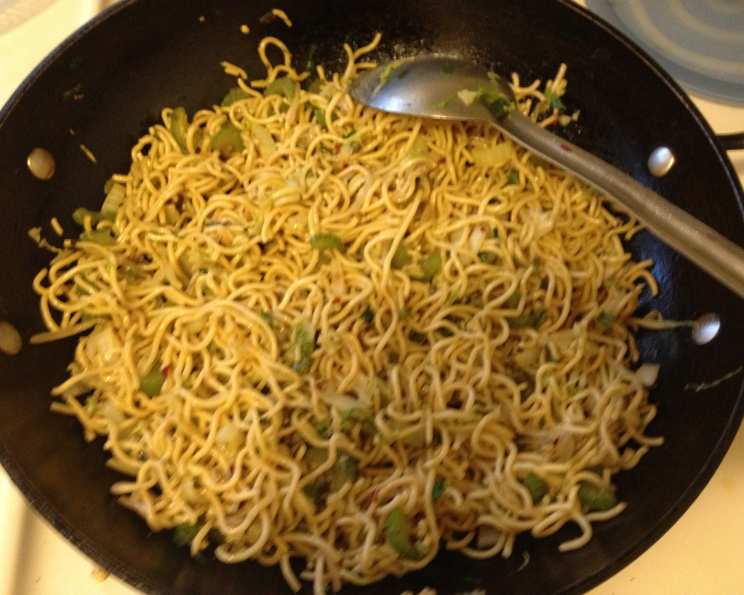
Mastering Panda Express Chow Mein: A Culinary Journey
The scent of stir-fried vegetables always takes me back to late nights in college. Ramen was the standard student fare, but when we pooled our spare change, Panda Express chow mein was a luxurious upgrade. The slightly sweet, savory noodles mingled with crisp-tender veggies, a perfect comfort food after long hours hitting the books. It was a taste of something special, a little escape from the pressures of looming deadlines and exams. Even now, decades later, that distinct aroma instantly evokes the spirit of camaraderie and shared aspirations of youth.
Recipe Overview
- Prep Time: 10 minutes
- Cook Time: 10 minutes
- Total Time: 20 minutes
- Servings: 2
- Dietary Type: Vegetarian (easily adaptable to vegan)
Ingredients
- 1 tablespoon vegetable oil
- 2 scallions, trimmed, and cut crosswise into 1/2-inch thick pieces
- 1 1/2 cups sliced napa cabbage
- 1/4 cup sliced celery
- 1/4 cup bean sprouts
- 1/4 teaspoon granulated sugar
- 1/2 cup chicken broth (vegetable broth for vegan option)
- 1/2 tablespoon soy sauce (tamari for gluten-free option)
- 1 teaspoon oriental sesame oil
- 1/2 tablespoon cornstarch, dissolved in 1 tablespoon cold water
- Red pepper flakes, to taste
- 1/4 lb vermicelli, cooked
Equipment Needed
- Large heavy skillet
- Measuring spoons and cups
- Small bowl
Instructions
- Begin by prepping all your ingredients. This is crucial for stir-fries as the cooking happens quickly. Ensure the scallions are trimmed and sliced, the napa cabbage and celery are sliced, and the bean sprouts are ready. Have your cooked vermicelli on hand.
- In a small bowl, prepare the cornstarch slurry by whisking together the cornstarch and cold water until completely dissolved. Set aside. This slurry will help thicken the sauce.
- Heat the vegetable oil in a large heavy skillet over high heat. The oil should be hot but not smoking. A hot skillet is key to achieving that desirable stir-fry texture.
- Add the scallions, cabbage, celery, and bean sprouts to the hot skillet. Stir-fry for approximately 3 minutes, or until the cabbage begins to wilt. Stir constantly to prevent burning.
- Add the granulated sugar, chicken broth (or vegetable broth), soy sauce (or tamari), and sesame oil to the skillet. Stir well to combine.
- Cover the skillet and simmer the mixture for 3 minutes. This allows the flavors to meld together.
- Remove the lid and give the cornstarch slurry a quick stir to ensure the cornstarch hasn’t settled. Pour the slurry into the vegetable mixture.
- Bring the liquid to a boil, stirring constantly. The sauce will thicken quickly as the cornstarch gelatinizes.
- Season to taste with red pepper flakes. Start with a small pinch and add more as desired, depending on your spice preference.
- Simmer until the sauce is heated through and reaches your desired consistency. If the sauce becomes too thick, add a splash of chicken broth or water to thin it out.
- To serve, place the cooked vermicelli on a plate or in a bowl and spoon the vegetable mixture over the noodles. Serve immediately.
Expert Tips & Tricks
- Vegetable Prep is Key: Uniformly slicing the vegetables ensures even cooking. Aim for similar thicknesses in your cabbage and celery slices.
- Don’t Overcrowd the Pan: If you’re making a larger batch, work in stages to avoid overcrowding the skillet, which can lower the temperature and result in steamed vegetables instead of stir-fried ones.
- High Heat is Essential: Maintaining high heat is crucial for achieving that characteristic stir-fry flavor and texture.
- Adjust Sweetness and Spice: Feel free to adjust the amount of sugar and red pepper flakes to your liking. A touch of rice vinegar can also add a pleasant tang.
- Protein Boost: For a heartier meal, add cooked chicken, shrimp, tofu, or beef to the stir-fry during the last few minutes of cooking.
Serving & Storage Suggestions
Serve the Panda Express Chow Mein immediately for the best flavor and texture. The noodles tend to absorb the sauce over time, becoming softer.
Leftovers can be stored in an airtight container in the refrigerator for up to 2 days. Reheat gently in a skillet or microwave. Add a splash of broth or water when reheating to prevent the noodles from drying out. Freezing is not recommended, as the vegetables can become mushy upon thawing.
Nutritional Information
| Nutrient | Amount per Serving | % Daily Value |
|---|---|---|
| Calories | 664.6 kcal | N/A |
| Calories from Fat | 188 g | 28% |
| Total Fat | 20.9 g | 32% |
| Saturated Fat | 3 g | 14% |
| Cholesterol | 0 mg | 0% |
| Sodium | 920.5 mg | 38% |
| Total Carbohydrate | 98.5 g | 32% |
| Dietary Fiber | 6.8 g | 27% |
| Sugars | 8.4 g | N/A |
| Protein | 21.1 g | 42% |
Note: Nutritional information is an estimate and may vary based on specific ingredients and portion sizes.
Variations & Substitutions
- Vegan Chow Mein: Substitute vegetable broth for chicken broth.
- Gluten-Free Chow Mein: Use tamari instead of soy sauce and ensure your vermicelli is gluten-free. Rice noodles are a good option.
- Spicy Chow Mein: Increase the amount of red pepper flakes or add a dash of Sriracha or chili oil.
- Vegetable Variations: Feel free to add other vegetables, such as broccoli florets, sliced carrots, snap peas, or mushrooms.
- Noodle Variations: Use lo mein noodles, spaghetti, or any other type of noodle you prefer.
FAQs (Frequently Asked Questions)
Q: Can I use dried noodles instead of cooked vermicelli?
A: Yes, you can use dried noodles. Cook them according to the package directions before adding the vegetable mixture. Be sure to drain them well.
Q: Can I prepare the vegetables ahead of time?
A: Yes, you can slice the vegetables ahead of time and store them in the refrigerator until you’re ready to cook. This will save time during the cooking process.
Q: What if my sauce isn’t thickening?
A: Ensure your cornstarch slurry is properly mixed and that you’re bringing the liquid to a boil. If it still doesn’t thicken, you can add a bit more cornstarch slurry (start with 1/4 teaspoon of cornstarch mixed with 1/2 teaspoon of cold water).
Q: Can I use different types of oil?
A: While vegetable oil is recommended, you can also use canola oil or peanut oil. Avoid using olive oil, as it has a lower smoke point and can impart a strong flavor.
Q: How do I prevent the noodles from sticking together?
A: Rinse the cooked noodles with cold water to remove excess starch and toss them with a little sesame oil before adding them to the vegetable mixture.
Final Thoughts
This Panda Express Chow Mein recipe is a fantastic way to recreate a classic favorite in your own kitchen. The combination of savory sauce, crisp vegetables, and tender noodles is simply irresistible. Don’t be afraid to experiment with different vegetables and seasonings to create your own unique version. I encourage you to try this recipe, share it with friends and family, and leave a comment below with your feedback! Bon appétit!