
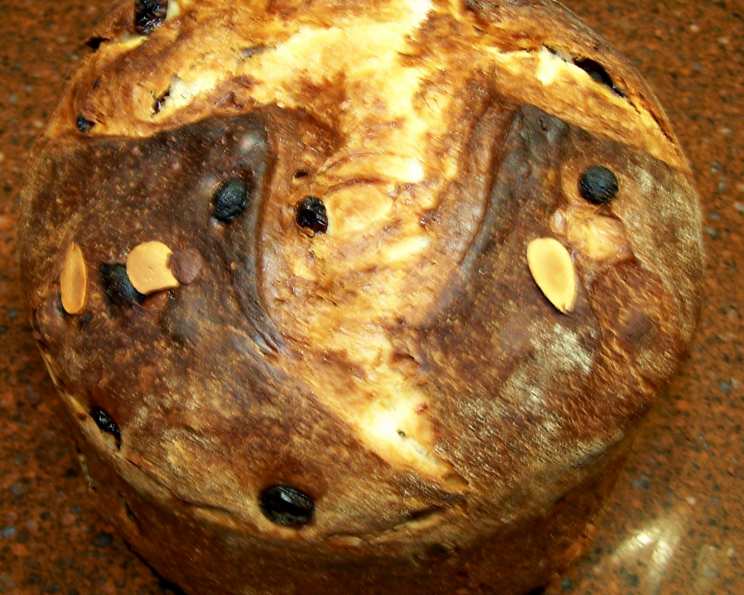
The Sweet Surrender of Homemade Panettone
The scent of citrus, vanilla, and something yeasty always transports me back to my nonna’s kitchen. It wasn’t Christmas unless a towering panettone sat proudly on the counter, its golden dome promising sweet, fluffy bites. She would slice it with theatrical flair, the candied fruit sparkling like jewels, and the whole family would descend, eager for a taste of tradition. Those memories, laced with warmth and anticipation, are what inspire me to bake my own panettone every year.
Recipe Overview
- Prep Time: 45 minutes (plus soaking and rising time)
- Cook Time: 1 hour
- Total Time: 17-20 hours (including soaking and rising time)
- Servings: 12
- Yield: 1 large panettone
- Dietary Type: Not specified
Ingredients
- 1 cup raisins
- ¼ cup rum
- 1 cup water (divided)
- 3 ¾ cups flour
- ½ cup sugar
- ½ teaspoon salt
- ½ teaspoon active dry yeast
- ¼ teaspoon lemon zest
- ½ vanilla bean, halved and split making 4 pieces
- 4 large eggs, room temperature
- 1 tablespoon honey
- 12 tablespoons butter, softened
- 1 tablespoon butter, melted
- 2 ½ ounces marzipan
- 1 tablespoon butter, well chilled
Equipment Needed
- Mixer
- Large bowl
- Plastic wrap
- Work surface or Silpat mat
- Panettone mold, clean and dried generously buttered coffee can, or a generously buttered bundt pan
- Damp linen towel
- Cookie sheet pan
- Sharp knife
Instructions
-
Begin by preparing the raisins. In a small bowl, soak the raisins in rum and 2 tablespoons of hot water until they become plump. This typically takes at least 30 minutes, but longer is fine.
-
In the bowl of a stand mixer fitted with the dough hook attachment, combine the flour, sugar, salt, yeast, lemon zest, and vanilla bean. Mix on low speed until all the ingredients are thoroughly combined.
-
In a separate bowl, whisk together the eggs, the remaining water from the 1 cup, and the honey.
-
With the mixer still running on low speed, gradually pour the egg mixture into the flour mixture. Once combined, increase the speed to medium-low and continue mixing.
-
Now it’s time to incorporate the butter. Add the 12 tablespoons of softened butter one tablespoon at a time, allowing each tablespoon to fully incorporate before adding the next. Once all the butter is added, increase the mixer speed to medium-high and mix for 8-10 minutes, or until the dough is smooth and elastic. This step is crucial for developing the gluten and achieving the right texture.
-
While the dough is mixing, drain the raisins thoroughly. In a separate bowl, combine the drained raisins with the melted butter.
-
Crumble the marzipan into small pieces.
-
Add the raisin mixture and the crumbled marzipan to the bowl.
-
Place the dough, including the vanilla bean, in a large bowl covered tightly with plastic wrap. Let the dough rise in a draft-free place until it triples in volume. This may take 12-15 hours, or overnight, in a slightly warm spot. An unheated oven is perfect for this long, slow rise.
-
After the first rise, punch down the dough gently to release the air. Remove the vanilla bean. Be sure to scrape any of the seeds out of the bean and mix them back into the dough. Discard the pods.
-
On a lightly floured work surface or Silpat mat, place the dough. Lightly dust the top of the dough with flour as well. Fold the edges of the dough towards the center, forming a ball. Place the dough, seam-side down, into a panettone mold, a clean and dried generously buttered coffee can, or a generously buttered bundt pan.
-
Cover the mold with a damp linen towel (avoid terry cloth towels). Let the dough rise again in a warm, draft-free spot for approximately 5 hours.
-
Preheat the oven to 375 degrees Fahrenheit (190 degrees Celsius) with the rack in the lower third of the oven.
-
Place the mold on a cookie sheet pan. Using a sharp knife, score the raised dough with an X shape, about one inch deep. Place the well-chilled butter into the center of the X.
-
Bake the panettone until a toothpick inserted into the center comes out slightly moist, but not wet. This should take about 1 hour. The top should be very dark brown.
-
Cool the panettone completely in the mold before cutting.
Expert Tips & Tricks
- The long rise is key. Don’t rush it! The extended fermentation develops the complex flavors that make panettone so special.
- Room temperature ingredients are essential. This ensures proper emulsification and gluten development.
- Use a good quality butter. It makes a difference in the final flavor and texture.
- If your oven tends to brown quickly, tent the panettone with foil during the last 20 minutes of baking to prevent burning.
- Don’t overmix the dough after adding the butter. Overmixing can result in a tough panettone.
- For an extra touch of flavor, try soaking the raisins in a combination of rum and orange liqueur.
- Adding a pinch of saffron to the dough will enhance the golden color.
Serving & Storage Suggestions
Panettone is best served at room temperature. Slice it into wedges and enjoy it on its own, or toasted with a smear of butter or mascarpone cheese. It’s also fantastic served with coffee, tea, or a glass of dessert wine.
To store, wrap the cooled panettone tightly in foil and then in plastic wrap. It will stay fresh at room temperature for up to one week. For longer storage, freeze it for up to two months. Thaw overnight at room temperature before serving. Panettone also makes excellent French toast and bread pudding.
Nutritional Information
| Nutrient | Amount per Serving | % Daily Value |
|---|---|---|
| Calories | 369.9 kcal | N/A |
| Calories from Fat | 139 g | 38% |
| Total Fat | 15.5 g | 23% |
| Saturated Fat | 9.1 g | 45% |
| Cholesterol | 97.6 mg | 32% |
| Sodium | 241.8 mg | 10% |
| Total Carbohydrate | 49.4 g | 16% |
| Dietary Fiber | 1.6 g | 6% |
| Sugars | 17.1 g | 68% |
| Protein | 6.7 g | 13% |
Note: Nutritional information is an estimate and may vary based on specific ingredients and portion sizes.
Variations & Substitutions
- Citrus Panettone: Add candied orange and lemon peel to the dough along with the raisins and marzipan.
- Chocolate Chip Panettone: Substitute the raisins with chocolate chips.
- Gluten-Free Panettone: Use a gluten-free flour blend specifically designed for baking. You may need to adjust the liquid content.
- Vegan Panettone: Substitute the eggs with a flax egg replacer (1 tablespoon ground flaxseed mixed with 3 tablespoons water per egg). Use a vegan butter alternative.
- Spiced Panettone: Add a teaspoon of ground cinnamon, nutmeg, or cardamom to the flour mixture.
FAQs (Frequently Asked Questions)
Q: Can I use instant yeast instead of active dry yeast?
A: Yes, you can substitute instant yeast. Use the same amount and add it directly to the flour mixture without proofing.
Q: What if I don’t have a panettone mold?
A: A clean, dried, and generously buttered coffee can or a bundt pan works perfectly well as a substitute.
Q: Why is the long rise so important?
A: The long rise allows the yeast to develop complex flavors and create a light, airy texture. It also contributes to the panettone’s excellent keeping quality.
Q: Can I make the dough ahead of time?
A: You can prepare the dough up to the first rise and then refrigerate it for up to 24 hours. Bring it to room temperature before proceeding with the recipe.
Q: My panettone is browning too quickly. What should I do?
A: Tent the panettone with aluminum foil to protect the top from burning.
Final Thoughts
Baking panettone might seem daunting, but the rewards are immeasurable. The aroma that fills your kitchen, the joy of sharing a homemade loaf with loved ones, and the knowledge that you’ve created something truly special are worth every moment of effort. So, gather your ingredients, embrace the process, and prepare to be transported to a world of sweet, fluffy delight. Don’t hesitate to put your own spin on the recipe and share your creations with me! Perhaps you’ll serve it with a Vin Santo or a rich cup of espresso. Buon appetito!