
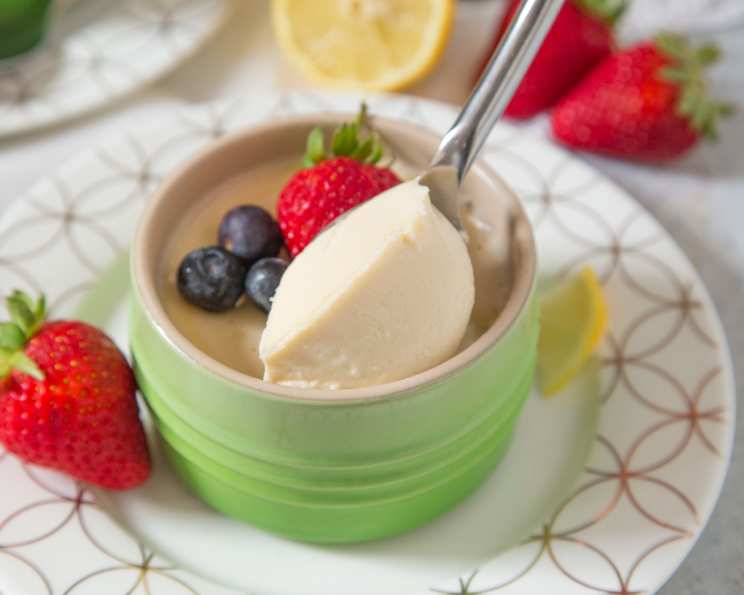
Silky Smooth Panna Cotta: An Italian Classic
The first time I tasted panna cotta, I was wandering through a small trattoria in Florence. It was late, the air was thick with the aroma of garlic and basil, and I was utterly lost in the magic of Italy. The waiter, sensing my overwhelmed state, recommended the panna cotta. When it arrived, a pristine white cloud drizzled with dark cherry sauce, I hesitated. Then, I took a bite, and the world seemed to slow down. The creamy coolness, the delicate sweetness, the slight wobble on the spoon – it was pure, simple perfection. From that moment on, I was determined to master this deceptively easy dessert and bring a little bit of that Florentine magic into my own kitchen.
Recipe Overview
- Prep Time: 10 minutes
- Cook Time: 5 minutes
- Total Time: 4 hours 15 minutes
- Servings: 4
- Yield: Approximately 2 cups
- Dietary Type: Gluten-Free
Ingredients
- ½ cup half-and-half
- 1 (¼ ounce) envelope unflavored gelatin
- 2 cups heavy cream
- 2 teaspoons pure vanilla extract
- 6 tablespoons white sugar
- Canola oil for greasing ramekins
Equipment Needed
- Medium saucepan
- Whisk
- Measuring cups and spoons
- Four ½-cup ramekins
- Ladle
Instructions
-
In a medium saucepan, sprinkle the contents of the gelatin packet over the half-and-half. Let stand for 5 minutes to allow the gelatin to bloom (hydrate). This step is crucial for achieving the right texture.
-
Over low heat, stir the gelatin mixture constantly until the gelatin is completely dissolved. Be patient and don’t let the mixture boil, as this can affect the setting ability of the gelatin. The mixture should be smooth and clear.
-
Add the heavy cream to the saucepan.
-
Add half of the vanilla extract (1 teaspoon) and all the sugar to the cream mixture.
-
Stir again over low heat until the sugar is completely dissolved. Again, avoid boiling; gentle heat is key.
-
Taste the mixture and add the remaining vanilla extract (the other 1 teaspoon) if desired, adjusting the flavor to your preference. Some vanilla extracts are stronger than others, so trust your palate.
-
Wipe the insides of four ½-cup ramekins with a light coating of canola oil. This will help the panna cotta release easily when you’re ready to serve. You can use a paper towel to spread the oil thinly and evenly.
-
Ladle the cream mixture into the prepared ramekins, dividing it evenly.
-
Let stand at room temperature until slightly cooled. This initial cooling period helps prevent condensation from forming inside the ramekins when they go into the refrigerator.
-
Place the ramekins in the refrigerator for at least 4 hours, or preferably overnight, to allow the panna cotta to set completely. It should be firm to the touch but still have a slight wobble.
-
When ready to serve, you can either serve the panna cotta directly in the ramekins, or gently invert them onto serving plates. To help release the panna cotta, you can dip the bottom of each ramekin briefly in warm water (not hot!) for a few seconds. Run a thin knife or spatula around the edge to loosen it further.
-
Serve with fresh fruit, berry sauce, chocolate shavings, or your favorite topping.
Expert Tips & Tricks
- Gelatin is Key: The amount of gelatin is crucial for the perfect panna cotta texture. Too little, and it won’t set; too much, and it will be rubbery. Always measure accurately!
- Low and Slow: Gently heating the cream mixture ensures the sugar dissolves properly and prevents scorching. Don’t rush the process.
- Vanilla Variation: Experiment with different types of vanilla extract, such as Madagascar Bourbon or Tahitian, to add complexity to the flavor. You can also use a vanilla bean; just scrape the seeds into the cream mixture and simmer gently before removing the bean.
- Make-Ahead Marvel: Panna cotta is a great make-ahead dessert. It can be prepared up to 3 days in advance and stored in the refrigerator.
- Troubleshooting: If your panna cotta doesn’t set properly, you can re-melt the mixture gently, add a little more gelatin (bloomed in cold water), and refrigerate again.
Serving & Storage Suggestions
Panna cotta is best served chilled. It’s incredibly versatile and pairs well with a wide range of toppings. Fresh berries, such as raspberries, strawberries, or blueberries, are a classic choice. You can also serve it with a homemade fruit compote, a drizzle of balsamic glaze, or a sprinkle of chopped nuts.
To store leftover panna cotta, cover the ramekins tightly with plastic wrap or transfer the panna cotta to an airtight container. It will keep in the refrigerator for up to 3 days. Panna cotta is not suitable for freezing, as the texture will change significantly.
Nutritional Information
Please note that the following nutritional information is an estimate and can vary based on specific ingredients and portion sizes.
| Nutrient | Amount per Serving | % Daily Value |
|---|---|---|
| Calories | 320 kcal | 16% |
| Total Fat | 27g | 42% |
| Saturated Fat | 17g | 85% |
| Cholesterol | 100mg | 33% |
| Sodium | 30mg | 1% |
| Total Carbohydrate | 15g | 5% |
| Dietary Fiber | 0g | 0% |
| Sugars | 15g | |
| Protein | 3g | 6% |
Variations & Substitutions
- Dairy-Free Panna Cotta: Substitute the heavy cream and half-and-half with full-fat coconut milk for a vegan option. You may need to adjust the amount of sugar to taste.
- Coffee Panna Cotta: Add 2 tablespoons of instant espresso powder to the cream mixture while heating for a rich coffee flavor.
- Chocolate Panna Cotta: Melt 2 ounces of dark chocolate and whisk it into the cream mixture after the gelatin has dissolved.
- Lemon Panna Cotta: Add the zest of one lemon to the cream mixture while heating. You can also add a tablespoon of lemon juice after the gelatin has dissolved.
- Seasonal Flavors: Infuse the cream with seasonal herbs or spices, such as lavender, rosemary, or cinnamon, for a unique twist.
FAQs (Frequently Asked Questions)
Q: Why is my panna cotta grainy?
A: Grainy panna cotta is often caused by overheating the cream mixture or not dissolving the gelatin completely. Make sure to cook over low heat and stir constantly.
Q: How can I tell if the panna cotta is set?
A: The panna cotta should be firm to the touch but still have a slight wobble when gently shaken.
Q: Can I use powdered gelatin instead of leaf gelatin?
A: Yes, this recipe calls for powdered gelatin. Make sure to bloom it in cold water before adding it to the warm cream mixture.
Q: How do I prevent a skin from forming on top of the panna cotta while it’s setting?
A: Cover the ramekins with plastic wrap, pressing it gently onto the surface of the panna cotta.
Q: What’s the best way to unmold panna cotta?
A: Dip the bottom of the ramekin briefly in warm water and run a thin knife or spatula around the edge to loosen the panna cotta.
Final Thoughts
Panna cotta, at its heart, is about simplicity and elegance. It’s a blank canvas that invites creativity and allows you to showcase seasonal flavors and personal preferences. Don’t be intimidated by its delicate nature; with a few basic techniques and a little patience, you can create a truly unforgettable dessert that will transport you to the sun-drenched hills of Tuscany, one creamy bite at a time. I encourage you to experiment with different flavors and toppings, and most importantly, to share your creation with loved ones. Buon appetito!