
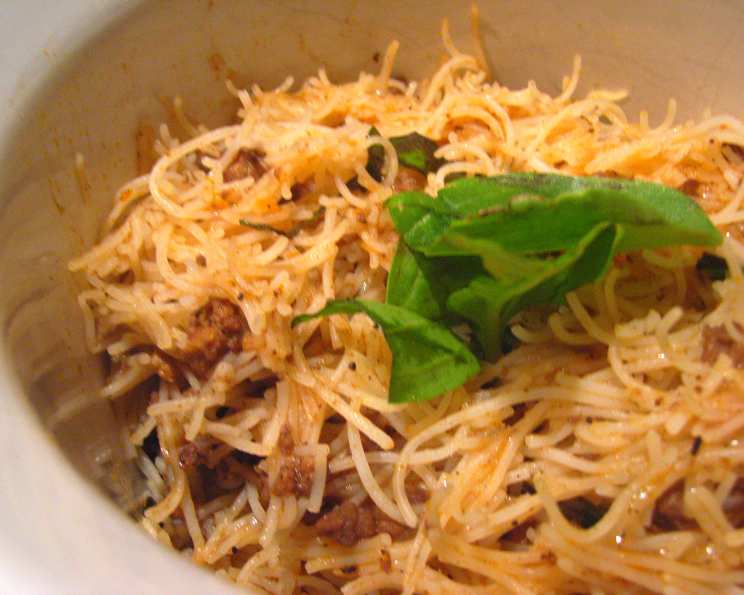
Pappardelle Bolognese: A Culinary Embrace
The aroma of Bolognese simmering on a Sunday afternoon… it’s a scent etched in my memory. Growing up, my Nonna Emilia would start her sauce before church, the rich, meaty fragrance permeating the entire house. The anticipation was almost unbearable as we kids waited for the moment when the perfectly al dente pasta would be tossed in that luscious sauce, each bite a warm hug from Nonna herself. It’s a tradition, a taste of home, that I cherish and love to share.
Recipe Overview
- Prep Time: 20 minutes
- Cook Time: 1 hour 35 minutes
- Total Time: 1 hour 55 minutes
- Servings: 4-6
- Yield: 6-8 servings
- Dietary Type: Not Gluten-Free
Ingredients
- 1/4 cup olive oil
- 2 slices bacon, thick-sliced, diced
- 1 cup onion, chopped
- 1/2 cup celery, chopped
- 1/2 cup carrot, chopped
- 4 garlic cloves, minced
- 1 tablespoon fresh thyme, chopped
- 1 lb ground veal
- 1 lb ground pork
- 1 cup dry red wine
- 2 bay leaves
- 2 (14 ounce) cans beef broth
- 1 1/2 cups tomato puree, canned
- 1 lb pappardelle pasta or 1 lb mafaldine pasta
- Parmesan cheese, freshly grated
Equipment Needed
- Heavy large pot
- Large pot for pasta
- Fork
- Colander
Instructions
- Begin by heating the olive oil in a heavy large pot over medium-high heat. The heavy pot is crucial for even heat distribution and preventing the sauce from scorching.
- Add the diced bacon to the pot and sauté until it begins to brown, about 6 minutes. The rendered bacon fat will provide a fantastic base of flavor for the sauce.
- Introduce the chopped onion, celery, carrot, garlic, and fresh thyme to the pot. Sauté these aromatic vegetables for 5 minutes, stirring frequently. This process, known as mirepoix (with the addition of bacon), builds the foundation of the sauce’s complexity.
- Add the ground veal and ground pork to the pot. Sauté the meats until they are brown and cooked through, breaking them up with the back of a fork. This should take approximately 10 minutes. Breaking up the meat ensures even cooking and a finer texture in the final sauce.
- Pour in the dry red wine and add the bay leaves. The wine will deglaze the pot, lifting any flavorful browned bits from the bottom, and add depth to the sauce.
- Simmer the mixture until the liquid is slightly reduced, about 10 minutes. This step allows the alcohol to evaporate and the wine’s flavors to concentrate.
- Pour in the beef broth and tomato puree. Stir well to combine all the ingredients.
- Reduce the heat to medium-low and simmer the sauce until it thickens, stirring often, about 1 hour 15 minutes. Patience is key here. The long simmering time allows the flavors to meld and the sauce to develop its characteristic richness. Be sure to stir regularly to prevent sticking and scorching.
- Season the sauce with salt and pepper to taste. Adjust seasoning as needed to enhance the flavors.
- (The sauce can be made 1 day ahead. Cool it slightly, then refrigerate uncovered until cold. Once cold, cover and keep chilled. Bring to a simmer before using.) This is a great time-saving tip for busy weeknights or dinner parties.
- When ready to serve, boil the pappardelle pasta (or mafaldine) in a large pot of boiling salted water until just tender but still firm to the bite (al dente), stirring often. Salting the pasta water is essential for seasoning the pasta itself.
- Drain the pasta well in a colander.
- Transfer the drained pasta to the pot with the Bolognese sauce and toss to coat thoroughly.
- Serve immediately, garnished generously with freshly grated Parmesan cheese.
Expert Tips & Tricks
- For an even richer sauce, consider adding a splash of heavy cream or whole milk during the last 15 minutes of simmering. This will create a luxurious, velvety texture.
- If you prefer a chunkier sauce, you can coarsely chop the vegetables instead of finely dicing them.
- Don’t be afraid to experiment with different types of ground meat. Ground beef, lamb, or even a combination of meats can be used in place of veal and pork.
- For a more intense tomato flavor, use San Marzano tomatoes instead of regular canned tomato puree.
- If the sauce becomes too thick during simmering, add a little extra beef broth to thin it out.
- To prevent the pasta from sticking together after draining, toss it with a little olive oil or butter.
Serving & Storage Suggestions
Serve the Pappardelle Bolognese immediately while it’s hot and the pasta is perfectly al dente. A generous grating of fresh Parmesan cheese is essential. A side of crusty bread is perfect for soaking up the delicious sauce. For a complete meal, pair it with a simple green salad.
Leftover Bolognese sauce can be stored in an airtight container in the refrigerator for up to 3 days. It can also be frozen for up to 2 months. To reheat, gently simmer the sauce on the stovetop over low heat, stirring occasionally, until heated through. If frozen, thaw the sauce completely in the refrigerator before reheating. Leftover cooked pasta is best enjoyed within 1-2 days. Reheat it gently with the sauce, adding a little water or broth if needed to prevent it from drying out.
Nutritional Information
| Nutrient | Amount per Serving | % Daily Value |
|---|---|---|
| Calories | 1152.2 kcal | N/A |
| Calories from Fat | 445 g | 39% |
| Total Fat | 49.5 g | 76% |
| Saturated Fat | 15.2 g | 75% |
| Cholesterol | 177.7 mg | 59% |
| Sodium | 987.3 mg | 41% |
| Total Carbohydrate | 102 g | 33% |
| Dietary Fiber | 6.9 g | 27% |
| Sugars | 10.7 g | N/A |
| Protein | 61.2 g | 122% |
Note: Nutritional information is an estimate and may vary based on specific ingredients and portion sizes.
Variations & Substitutions
- Vegetarian Bolognese: Substitute the meat with lentils, mushrooms, or a combination of both. Add a tablespoon of soy sauce for umami depth.
- Spicy Bolognese: Add a pinch of red pepper flakes or a dash of hot sauce to the sauce for a kick.
- Chicken Bolognese: Use ground chicken instead of veal and pork for a lighter version.
- Gluten-Free: Use gluten-free pasta and ensure all other ingredients are gluten-free as well.
- Seasonal Adaptation: Add roasted butternut squash or pumpkin puree in the fall for a seasonal twist.
FAQs (Frequently Asked Questions)
Q: Can I make this recipe in a slow cooker?
A: Yes, you can adapt this recipe for a slow cooker. Brown the meat and vegetables as instructed, then transfer everything to the slow cooker and cook on low for 6-8 hours, or on high for 3-4 hours.
Q: Can I use canned tomatoes instead of tomato puree?
A: Yes, you can use crushed or diced canned tomatoes. Just be sure to drain any excess liquid before adding them to the sauce.
Q: How do I know when the sauce is thick enough?
A: The sauce is thick enough when it coats the back of a spoon and leaves a clear trail when you run your finger through it.
Q: Can I add vegetables other than onion, celery, and carrot?
A: Absolutely! Feel free to add other vegetables like bell peppers, zucchini, or mushrooms to the sauce.
Q: What is the best way to reheat leftover Bolognese sauce?
A: Gently simmer the sauce on the stovetop over low heat, stirring occasionally, until heated through. You can also microwave it in short intervals, stirring in between.
Final Thoughts
Pappardelle Bolognese is more than just a recipe; it’s a culinary experience that connects us to tradition, family, and the simple pleasures of life. I encourage you to try this recipe and create your own cherished memories around this classic dish. Don’t be afraid to experiment with variations and make it your own. Share your feedback and creations – I’d love to hear about your Bolognese adventures! Consider pairing it with a crisp Chianti Classico for the perfect Italian feast. Buon appetito!