
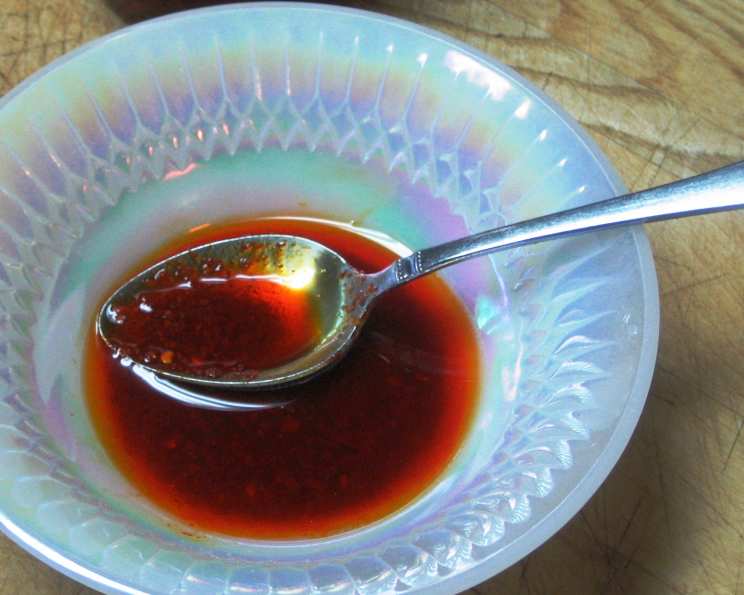
Liquid Gold: Crafting Your Own Paprika Oil
My grandmother, a woman who believed that every dish should tell a story, always kept a small, dark bottle tucked away in her pantry. It was her secret weapon: paprika oil. I remember watching, mesmerized, as she drizzled the ruby liquid over roasted potatoes, instantly transforming them into something extraordinary. The smoky, subtly sweet flavor of the paprika infused the potatoes, creating a dish that was both comforting and complex. That little bottle held more than just oil; it held a memory, a connection to her heritage, and a flavor I’ve been chasing ever since. Now, I share with you how to make your own batch of this pantry essential.
Recipe Overview: Paprika Oil
- Prep Time: 5 minutes
- Cook Time: 0 minutes
- Infusion Time: 7 days
- Total Time: 7 days, 5 minutes
- Yields: 2 cups
- Dietary Type: Vegan, Gluten-Free, Dairy-Free, Paleo, Keto
Ingredients
- 2 tablespoons of high-quality paprika (see notes below)
- 2 cups of extra virgin olive oil
Ingredient Notes:
- Paprika: The type of paprika you use will dramatically impact the flavor of your oil. For a smoky flavor, use smoked paprika (also known as pimentón). For a sweeter, milder flavor, use sweet paprika. You can also use hot paprika for a spicy kick. Experiment to find your favorite!
- Olive Oil: Use a good quality extra virgin olive oil with a flavor you enjoy, as this will be the base of your paprika oil. The flavor of the oil itself will be part of the overall taste.
Equipment Needed
- Clean jar or bottle with a tight-fitting lid
- Funnel
- Cheesecloth (double layer)
- An additional bottle for the finished oil
Instructions
-
Begin by adding 2 tablespoons of your chosen paprika to a clean jar or bottle. Ensure that the jar is completely dry to prevent any unwanted moisture from affecting the oil.
-
Carefully pour 2 cups of extra virgin olive oil into the jar or bottle, completely covering the paprika.
-
Seal the bottle tightly with its lid. This is important to prevent any contaminants from entering the oil during the infusion process.
-
Store the sealed bottle in a cool, dark place, away from direct sunlight and heat. A pantry or cupboard is ideal.
-
Over the next week (7 days), gently shake the bottle occasionally, about once a day. This helps to distribute the paprika and infuse the oil evenly.
-
After one week, prepare to strain the oil. Line a funnel with a double layer of cheesecloth. This will effectively filter out the paprika particles, resulting in a smooth and clear oil.
-
Position the funnel over another clean bottle or jar.
-
Slowly and carefully pour the paprika-infused oil through the cheesecloth-lined funnel into the new bottle. Allow the oil to drip through naturally; avoid pressing on the cheesecloth, as this can force sediment through.
-
Once all the oil has been strained, discard the used paprika and cheesecloth.
-
Seal the bottle of strained paprika oil.
-
Your paprika oil is now ready to use!
Expert Tips & Tricks
- Infusion Time: While one week is a good starting point, you can experiment with longer infusion times for a more intense paprika flavor. Taste the oil after a week, and if you want a stronger flavor, let it infuse for another few days.
- Heating the Oil: For a deeper, more complex flavor, you can gently heat the olive oil with the paprika before infusing. Heat the oil and paprika in a saucepan over very low heat for about 5 minutes, being careful not to burn the paprika. Let the oil cool completely before transferring it to the jar and proceeding with the infusion process.
- Garlic Infusion: Add a clove or two of crushed garlic to the jar along with the paprika for a delicious garlic-paprika oil. Remember to remove the garlic cloves after a week to prevent them from spoiling.
- Chili Flakes: Add a pinch of red chili flakes to the jar for a spicy kick.
- Quality Matters: Using high-quality paprika and olive oil will make a significant difference in the flavor of your infused oil. Don’t skimp on these ingredients!
Serving & Storage Suggestions
Paprika oil is incredibly versatile. Drizzle it over grilled or roasted vegetables, use it as a finishing oil for soups and stews, or brush it on meat or poultry before grilling. It’s also delicious as a dipping oil for bread or as a base for salad dressings.
- Storage: Store the paprika oil in a cool, dark place in an airtight container. Properly stored, it should last for several months. Watch for any signs of spoilage, such as a rancid smell or a change in color or texture.
- Room Temperature: Storing at room temperature is fine as long as it is a cool, dark place away from direct sunlight.
- Refrigeration: Refrigeration is not necessary, but it can help extend the shelf life of the oil, especially in warmer climates. The oil may solidify in the refrigerator, but it will return to its liquid state at room temperature.
- Freezing: Freezing is not recommended.
Nutritional Information
Note: Nutritional information is an estimate and will vary based on the specific ingredients used.
| Nutrient | Amount per Serving (1 tbsp) | % Daily Value |
|---|---|---|
| Calories | 120 kcal | 6% |
| Total Fat | 14 g | 22% |
| Saturated Fat | 2 g | 10% |
| Monounsaturated Fat | 10 g | – |
| Polyunsaturated Fat | 1.5 g | – |
| Cholesterol | 0 mg | 0% |
| Sodium | 0 mg | 0% |
| Total Carbohydrate | 1 g | 0% |
| Dietary Fiber | 0 g | 0% |
| Sugars | 0 g | 0% |
| Protein | 0 g | 0% |
| Vitamin E | 1.9 mg | 10% |
Variations & Substitutions
- Herb Infusion: Combine paprika with other herbs like rosemary, thyme, or oregano for a more complex flavor profile.
- Citrus Zest: Add a strip of lemon or orange zest to the jar during infusion for a bright, citrusy note.
- Spice Blend: Experiment with different spice blends, such as ras el hanout or za’atar, in addition to the paprika.
- Nut Oil: While olive oil is traditional, you can also use other oils like avocado oil or grapeseed oil, depending on your preference.
- Other Peppers: Try other types of peppers in place of paprika. Chipotle powder, or ancho chile powder can give a similar but unique twist.
FAQs (Frequently Asked Questions)
Q: How long will the paprika oil last?
A: Properly stored in a cool, dark place, paprika oil can last for several months. Always check for any signs of spoilage before using.
Q: Can I use regular olive oil instead of extra virgin olive oil?
A: While you can use regular olive oil, the flavor won’t be as rich or complex. Extra virgin olive oil provides the best flavor base for the infusion.
Q: How can I tell if the oil has gone bad?
A: If the oil smells rancid, has a change in color or texture, or tastes off, it’s best to discard it.
Q: Can I use fresh paprika instead of ground paprika?
A: Fresh paprika won’t infuse into the oil as effectively as ground paprika. Ground paprika provides a larger surface area for flavor extraction.
Q: Can I add other spices to the oil during infusion?
A: Absolutely! Experiment with other spices like garlic, chili flakes, or herbs to create your own unique flavor combinations.
Final Thoughts
Making your own paprika oil is a simple yet rewarding culinary project. It’s a fantastic way to add depth and complexity to your dishes, and it allows you to customize the flavor to your liking. Don’t be afraid to experiment with different types of paprika, herbs, and spices to create your own signature blend. I encourage you to give this recipe a try and discover the magic of homemade paprika oil. Share your creations and variations with me, I’d love to see what you come up with! Pair it with grilled chicken and a fresh salad for a delightful meal. Enjoy!