
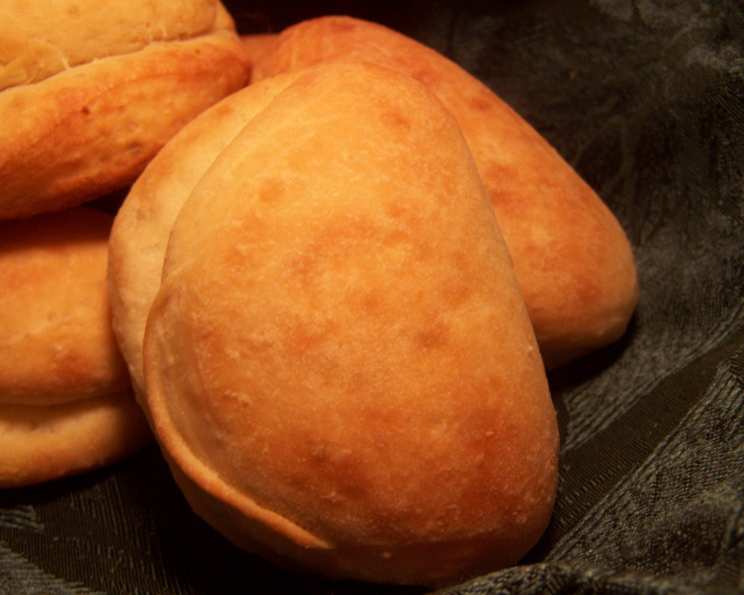
Parker House Rolls: A Baker’s Warm Embrace
The scent of baking bread has always been my personal time machine, instantly transporting me back to my grandmother’s kitchen. I remember standing on a stool, mesmerized as she effortlessly transformed simple ingredients into golden, pillowy Parker House rolls. The buttery aroma filled the air, a promise of warmth and comfort that transcended any fancy dish I’ve encountered since. These weren’t just rolls; they were edible hugs, each bite a reminder of family, love, and the simple joy of sharing good food. To this day, the first batch out of the oven always brings a tear to my eye.
Recipe Overview
- Prep Time: 30 minutes
- Cook Time: 10-15 minutes
- Total Time: 2 hours 15 minutes (including resting and rising time)
- Servings: 12
- Yield: 12 rolls
- Dietary Type: Vegetarian
Ingredients
- 3 cups flour, plus extra for dusting
- 2 tablespoons sugar
- 1 teaspoon salt
- 1 (1/4 ounce) package fast-rise yeast
- 2 tablespoons butter
- 1/2 cup milk
- 1/2 cup water
- 1 egg
- 4 tablespoons melted butter, for pan and brushing
Equipment Needed
- Large mixing bowl
- Measuring cups and spoons
- Cookie cutter (2 3/4 inches)
- Baking sheet or 9×13 inch baking pan
- Clean kitchen towel
Instructions
-
Begin by reserving 1 cup of the flour. In a large mixing bowl, thoroughly combine the remaining 2 cups flour with the sugar, salt, and fast-rise yeast. Ensuring even distribution of these dry ingredients is crucial for proper dough development.
-
In a separate small saucepan, melt 2 tablespoons of butter with the milk and water. Heat the mixture gently over low heat until it reaches a temperature between 120-130 degrees Fahrenheit. This warm temperature is essential for activating the yeast. A candy thermometer is helpful here; if you don’t have one, the mixture should feel warm but not scalding to the touch.
-
Pour the warm milk mixture into the bowl with the dry ingredients. Add the egg. Mix well with a wooden spoon or by hand until a shaggy dough forms.
-
Gradually add the reserved 1 cup of flour, kneading it into the dough until it reaches the right consistency – soft, slightly sticky, but manageable. The amount of flour needed may vary slightly depending on humidity and the exact type of flour used, so adjust accordingly.
-
Turn the dough out onto a lightly floured surface and knead it for 5-7 minutes, until it becomes smooth and elastic. This step develops the gluten, which gives the rolls their characteristic airy texture. If the dough is too sticky, add a little more flour, a tablespoon at a time, until it’s easier to handle.
-
Place the kneaded dough in a clean bowl, cover it with a clean kitchen towel, and let it rest for 10 minutes. This short rest period allows the gluten to relax, making the dough easier to roll out.
-
While the dough rests, prepare the baking environment. Turn the oven on to 200 degrees Fahrenheit for 10 minutes, then turn it off. This creates a warm, humid environment ideal for the rolls to rise.
-
Roll the dough out on a lightly floured surface to a thickness of about 1/2 inch. Use a 2 3/4 inch cookie cutter to cut out circles.
-
Lightly brush or pour some of the melted butter into the bottom of your baking pan or baking sheet. Fold each dough circle in half, creating a semi-circle shape. Drench each folded roll in the melted butter and arrange them in the prepared pan, slightly overlapping each roll. This overlapping helps them rise together and creates those pull-apart layers we all love.
-
Cover the pan of rolls with a clean kitchen towel and let them rise in the warm oven (which is now turned off) for approximately 40 minutes, or until they have doubled in size. Keep the oven door closed during this time to maintain the warmth and humidity.
-
Once the rolls have doubled in size, remove them from the oven. Preheat the oven to 400 degrees Fahrenheit.
-
Bake the rolls for 10-15 minutes, or until they are golden brown on top. Keep a close eye on them to prevent burning. The baking time may vary slightly depending on your oven.
-
Remove the baked rolls from the oven and brush them with any remaining melted butter. This adds extra flavor and gives them a beautiful, glossy finish. Let them cool slightly before serving.
Expert Tips & Tricks
- For an extra rich flavor, use brown butter instead of regular melted butter. To make brown butter, melt the butter in a saucepan over medium heat, stirring constantly until it turns a nutty brown color and has a fragrant aroma. Be careful not to burn it!
- If you want to make the dough ahead of time, you can refrigerate it after kneading. Let it rise in the refrigerator for up to 24 hours. When you’re ready to bake, remove the dough from the refrigerator and let it come to room temperature before rolling it out.
- To ensure even baking, rotate the baking sheet halfway through the baking time.
- If the tops of the rolls are browning too quickly, tent the pan loosely with foil.
Serving & Storage Suggestions
Serve these Parker House rolls warm, straight from the oven, for the best taste and texture. They are fantastic on their own, or served alongside soups, stews, salads, or as a complement to a holiday meal.
Store leftover rolls in an airtight container at room temperature for up to 2 days. For longer storage, refrigerate them for up to 5 days or freeze them for up to 2 months. To reheat, wrap the rolls in foil and bake them in a preheated oven at 350 degrees Fahrenheit for about 10 minutes, or until warmed through. You can also microwave them for a few seconds, but be careful not to overcook them, or they will become tough.
Nutritional Information
| Nutrient | Amount per Serving | % Daily Value |
|---|---|---|
| Calories | 187 kcal | – |
| Calories from Fat | 61 kcal | – |
| Total Fat | 6.9 g | 10% |
| Saturated Fat | 4.1 g | 20% |
| Cholesterol | 34.3 mg | 11% |
| Sodium | 246.6 mg | 10% |
| Total Carbohydrate | 26.7 g | 8% |
| Dietary Fiber | 1 g | 3% |
| Sugars | 2.2 g | – |
| Protein | 4.4 g | 8% |
Variations & Substitutions
- Garlic Herb Rolls: Add 1-2 cloves of minced garlic and 1-2 tablespoons of chopped fresh herbs (such as rosemary, thyme, or parsley) to the dry ingredients for a flavorful twist.
- Sweet Potato Rolls: Substitute 1/4 cup of the milk with 1/4 cup of mashed cooked sweet potato for a subtle sweetness and vibrant color.
- Whole Wheat Rolls: Replace up to half of the all-purpose flour with whole wheat flour for a nuttier flavor and added fiber. You may need to adjust the amount of liquid slightly.
- Dairy-Free Rolls: Use plant-based milk (such as almond milk or soy milk) and a dairy-free butter substitute in place of the milk and butter.
- Gluten-Free Rolls: While this recipe is not inherently gluten-free, you can try using a gluten-free all-purpose flour blend designed for baking bread. Keep in mind that the texture and rise may be slightly different.
FAQs (Frequently Asked Questions)
Q: Can I use active dry yeast instead of fast-rise yeast?
A: Yes, you can. However, you’ll need to proof the active dry yeast in warm water with a little sugar before adding it to the dry ingredients.
Q: My dough isn’t rising. What could be the problem?
A: Several factors can affect dough rising. Make sure your yeast is fresh, the liquid is warm enough (but not too hot), and the environment is warm and humid.
Q: Can I freeze the baked rolls?
A: Absolutely! Allow the rolls to cool completely before wrapping them tightly in plastic wrap and then in foil. They can be frozen for up to 2 months.
Q: What if I don’t have a cookie cutter?
A: No problem! You can use a drinking glass or a biscuit cutter of similar size.
Q: How can I make the rolls even more buttery?
A: For an extra buttery flavor, brush the tops of the rolls with melted butter several times during baking.
Final Thoughts
These handmade Parker House rolls are more than just a side dish; they’re a labor of love, a connection to tradition, and a delicious way to share warmth and joy with those you care about. Don’t be intimidated by the process – even if you’re a beginner baker, you can create these soft, buttery, melt-in-your-mouth rolls. I encourage you to try this recipe, experiment with different variations, and most importantly, enjoy the process of baking. Share your creations with friends and family, and let the aroma of freshly baked bread fill your home with happiness. Consider serving these rolls with a hearty pot roast or a comforting bowl of tomato soup for the ultimate cozy meal. Happy baking!