
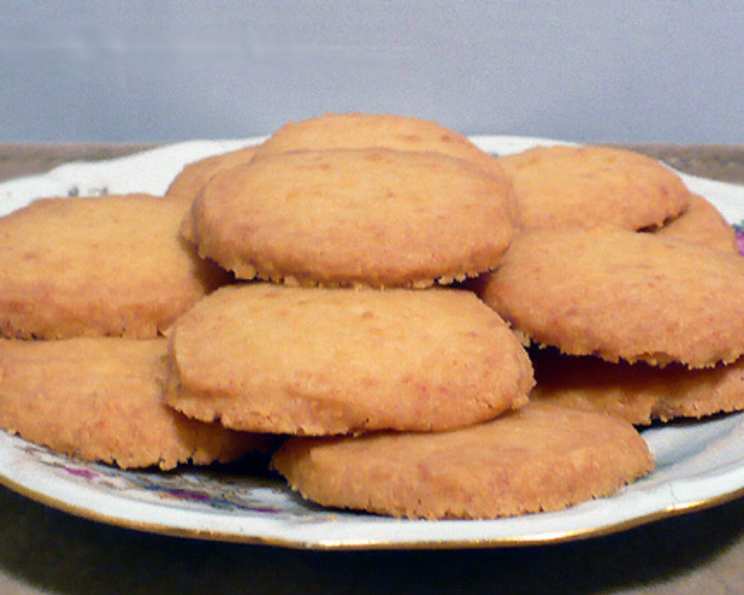
Parmesan Shortbread: A Savory Bite of Delight
The first time I tasted parmesan shortbread, it was at a tiny bistro tucked away on a cobbled street in Edinburgh. The salty, crumbly biscuit was served alongside a glass of crisp Sauvignon Blanc, the perfect prelude to a hearty Scottish stew. I remember the sun streaming through the window, warming my face as I savored the unexpected marriage of buttery richness and sharp cheese. That simple nibble sparked a love affair with savory baking, and I’ve been experimenting with parmesan shortbread ever since, trying to recapture that perfect bite of Scotland in my own kitchen.
Recipe Overview
- Prep Time: 15 minutes
- Cook Time: 20-25 minutes
- Total Time: 35-40 minutes
- Yields: Approximately 20 biscuits
- Serves: 10
- Dietary Type: Vegetarian
Ingredients
- 3 ounces parmesan cheese, finely grated
- 3 ounces plain flour, sifted
- ¼ teaspoon salt
- 2 ½ ounces unsalted butter, softened
- 2 teaspoons olive oil
Equipment Needed
- Baking tray
- Parchment paper or silicone mat
- Mixing bowl
- Rolling surface
- Sharp knife
Instructions
-
Preheat your oven to 300°F (150°C). Make sure your oven rack is in the center position for even baking.
-
In a mixing bowl, cream the softened butter until it is very soft and smooth. This is best achieved if the butter is at room temperature. If it’s still a bit firm, you can microwave it in short bursts (5-10 seconds) being careful not to melt it.
-
Add the finely grated parmesan cheese, sifted plain flour, and salt to the creamed butter.
-
Mix all the ingredients together until they come together to form a dough. Don’t overmix, as this can develop the gluten in the flour, resulting in a tougher shortbread. You want a tender, crumbly texture.
-
Add the olive oil and mix again. The dough should now be a cohesive mass.
-
On a lightly floured surface, gently roll the dough into a sausage shape approximately 9 inches long.
-
Wrap the dough in plastic wrap and rest it in the refrigerator for at least 30 minutes, or even longer. Chilling the dough is crucial; it allows the gluten to relax and the butter to firm up, which prevents the shortbread from spreading too much during baking. You can even chill it overnight if you prefer.
-
Remove the chilled dough from the refrigerator. Using a sharp knife, slice the dough thinly into rounds. Aim for about ¼ inch thickness.
-
Place the sliced shortbread onto a greased baking tray or, even better, a baking tray lined with parchment paper or a silicone mat. This will prevent sticking and ensure easy removal.
-
Bake in the preheated oven for 20-25 minutes, or until the shortbread is light golden brown around the edges. Keep a close eye on them during the last few minutes of baking to prevent burning.
-
Once baked, remove the shortbread from the oven and let them cool on the baking tray for a few minutes before transferring them to a wire rack to cool completely. This allows them to firm up and prevents them from breaking.
Expert Tips & Tricks
- Cheese Quality Matters: Use high-quality Parmesan Reggiano for the best flavor. Pre-grated parmesan often lacks the depth and nutty flavor of freshly grated cheese.
- Soft Butter is Key: Make sure your butter is truly softened, but not melted. This will help the dough come together smoothly and create a tender shortbread.
- Chill Time is Essential: Don’t skip the chilling step! It prevents the shortbread from spreading too much in the oven and allows the flavors to meld.
- Even Slicing: For uniform baking, try to slice the shortbread rounds as evenly as possible. A slightly warm knife can help with this.
- Experiment with Flavors: Feel free to add a pinch of cayenne pepper for a little heat, or some chopped fresh rosemary or thyme for an herbaceous twist.
Serving & Storage Suggestions
Parmesan shortbread is best served at room temperature. They make a delightful accompaniment to a cheese board, a glass of wine, or a bowl of soup. They are also a fantastic snack on their own.
To store, place the cooled shortbread in an airtight container. They will keep at room temperature for up to 5 days. For longer storage, you can freeze them for up to 2 months. Simply thaw them at room temperature before serving. They can also be gently reheated in a low oven to restore their crispness.
Nutritional Information
| Nutrient | Amount per Serving | % Daily Value |
|---|---|---|
| Calories | 128.2 kcal | N/A |
| Calories from Fat | 82 g | 64% |
| Total Fat | 9.2 g | 14% |
| Saturated Fat | 5.2 g | 26% |
| Cholesterol | 22.7 mg | 7% |
| Sodium | 189.2 mg | 7% |
| Total Carbohydrate | 7.2 g | 2% |
| Dietary Fiber | 0.2 g | 0% |
| Sugars | 0.1 g | 0% |
| Protein | 4.3 g | 8% |
Variations & Substitutions
- Gluten-Free: Substitute the plain flour with a gluten-free all-purpose blend. You may need to add a little extra liquid (a teaspoon or two of cold water) to help the dough come together.
- Vegan Parmesan: Use a vegan parmesan cheese alternative. There are many commercially available options made from nuts or nutritional yeast.
- Different Cheese: Experiment with other hard cheeses, such as Pecorino Romano or Asiago. Each cheese will impart a unique flavor profile.
- Herb Infusion: Infuse the olive oil with fresh herbs like rosemary or thyme for an extra layer of flavor. Simply heat the olive oil with the herbs over low heat for a few minutes, then let it cool before using.
- Spice it Up: Add a pinch of red pepper flakes or a dash of smoked paprika for a smoky, spicy kick.
FAQs (Frequently Asked Questions)
Q: Can I make the dough ahead of time?
A: Absolutely! The dough can be made up to 2 days in advance and stored in the refrigerator. Just wrap it tightly in plastic wrap. You can also freeze the dough for longer storage.
Q: My shortbread is spreading too much in the oven. What am I doing wrong?
A: The most likely culprit is that the butter was too soft or the dough wasn’t chilled long enough. Make sure your butter is softened but not melted, and always chill the dough for at least 30 minutes before baking.
Q: Can I use salted butter instead of unsalted?
A: Yes, but reduce the amount of added salt to 1/8 teaspoon, or omit it altogether.
Q: How do I know when the shortbread is done?
A: The shortbread is done when it is light golden brown around the edges. The center should still be slightly soft, but it will firm up as it cools.
Q: Can I add other herbs or spices to the dough?
A: Absolutely! Feel free to experiment with different herbs and spices to customize the flavor of your shortbread. Rosemary, thyme, black pepper, and cayenne pepper are all great options.
Final Thoughts
Parmesan shortbread is a deceptively simple recipe that yields a sophisticated and satisfying treat. Its buttery, salty, and crumbly texture is irresistible, and its versatility makes it a perfect addition to any occasion. Don’t be afraid to experiment with different flavors and variations to create your own signature version. I encourage you to try this recipe and share your feedback. Pair it with a crisp white wine or a comforting bowl of soup for the ultimate culinary experience. Happy baking!