
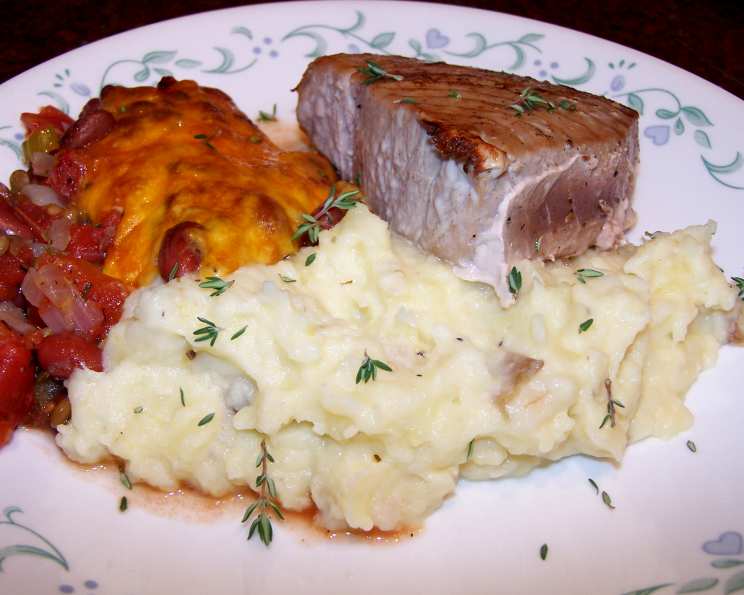
Parsnip-And-Potato Puree: A Culinary Symphony
I still remember the first time I tasted parsnip puree. It was a cold November evening, and my grandmother, a woman of few words but extraordinary culinary intuition, presented it alongside a perfectly roasted chicken. The sweetness of the parsnips, mellowed by the earthy potatoes and rich dairy, was a revelation. It was comfort on a plate, and a dish that’s stuck with me ever since. Now, I am excited to share this comforting and delicious recipe with you, inspired by a recipe from Rachael Ray, it is a sure fire hit for those looking for something special and comforting on a cold night.
Recipe Overview
- Prep Time: 15 minutes
- Cook Time: 25-30 minutes
- Total Time: 40-45 minutes
- Servings: 8
- Dietary Type: Vegetarian
Ingredients
- 3 lbs parsnips, peeled, cut into 1-inch pieces
- 2 large baking potatoes, peeled, quartered
- 1 cup milk
- ⅔ cup sour cream
- 5 tablespoons butter
- Salt to taste
Equipment Needed
- Large Pot
- Colander
- Food Processor
Instructions
- Bring a large pot of salted water to a rolling boil. The salt is crucial, as it seasons the vegetables from the inside out as they cook.
- Carefully add the parsnips and potatoes to the boiling water. Ensure there’s enough water to fully submerge the vegetables; add more if needed.
- Cook the parsnips and potatoes until they are fork-tender, approximately 25 to 30 minutes. To check for doneness, pierce a piece of parsnip and potato with a fork; they should yield easily without resistance.
- Once the vegetables are tender, drain them thoroughly in a colander, but remember to reserve ½ cup of the cooking water. This starchy water is liquid gold, as it will help achieve the perfect, smooth consistency for the puree.
- Return the drained parsnips and potatoes to the now-empty pot.
- Add the milk, sour cream, and 4 tablespoons of butter to the pot with the vegetables. The combination of milk and sour cream adds a lovely richness and tang, while the butter contributes to a velvety texture.
- Using a food processor (working in batches to avoid overcrowding), puree the parsnip and potato mixture until smooth. Gradually add the reserved cooking water to thin the consistency as desired. Be patient and scrape down the sides of the food processor bowl as needed to ensure everything is evenly pureed.
- Season the puree generously with salt to taste. Remember that proper seasoning is key to bringing out the natural flavors of the vegetables.
- Serve the parsnip-and-potato puree hot, with the remaining 1 tablespoon of butter melted on top. A pat of butter not only adds visual appeal but also enhances the overall richness and flavor of the dish.
Expert Tips & Tricks
- For an extra layer of flavor, try roasting the parsnips and potatoes instead of boiling them. Toss them with olive oil, salt, pepper, and a sprig of thyme before roasting at 400°F (200°C) until tender and slightly caramelized. This will deepen the sweetness and add a nutty note to the puree.
- If you don’t have a food processor, a potato masher or immersion blender can be used, but the texture may not be as smooth.
- To avoid a gummy texture, be careful not to overwork the potatoes during the pureeing process.
- For a smoother consistency, you can pass the finished puree through a fine-mesh sieve.
- The parsnip-and-potato puree can be made ahead of time and reheated. Store it in an airtight container in the refrigerator for up to 3 days. Reheat gently on the stovetop or in the microwave, adding a splash of milk or cream to loosen it up if needed.
Serving & Storage Suggestions
Serve this luxurious puree alongside roasted meats like chicken, pork, or lamb. It also pairs beautifully with pan-seared scallops or grilled fish. For a vegetarian option, consider serving it with lentil loaf or a hearty mushroom Wellington. Garnish with a sprinkle of fresh herbs like parsley, thyme, or chives for a pop of color and freshness.
Leftover puree can be stored in an airtight container in the refrigerator for up to 3 days. To reheat, gently warm on the stovetop over low heat, stirring frequently, or microwave in short intervals, stirring in between, until heated through. Add a splash of milk or cream if needed to restore the creamy consistency. While freezing is possible, the texture may change slightly upon thawing. If freezing, portion the puree into freezer-safe containers or bags, and thaw overnight in the refrigerator before reheating.
Nutritional Information
Here’s the estimated nutritional information per serving:
| Nutrient | Amount per Serving | % Daily Value |
|---|---|---|
| Calories | 280.6 kcal | N/A |
| Calories from Fat | 113 g | 41% |
| Total Fat | 12.7 g | 19% |
| Saturated Fat | 7.6 g | 37% |
| Cholesterol | 33.3 mg | 11% |
| Sodium | 112.2 mg | 4% |
| Total Carbohydrate | 40.2 g | 13% |
| Dietary Fiber | 9 g | 36% |
| Sugars | 9.2 g | N/A |
| Protein | 4.2 g | 8% |
Variations & Substitutions
- Dairy-Free: Substitute the milk and sour cream with plant-based alternatives such as almond milk, soy milk, or cashew cream. Use olive oil instead of butter for a vegan version.
- Sweet Potato Version: Replace half of the potatoes with sweet potatoes for a sweeter, more vibrant puree.
- Garlic Infusion: Add a few cloves of garlic to the pot during the last 10 minutes of cooking for a subtle garlic flavor.
- Herbaceous Twist: Stir in fresh herbs like rosemary, thyme, or sage after pureeing for an aromatic variation.
- Spiced Up: Add a pinch of nutmeg or cinnamon to the puree for a warm, comforting flavor profile.
- Deluxe Version: Brown the butter before adding it to the pureed mixture for a nutty, richer taste.
FAQs (Frequently Asked Questions)
Q: Can I use Yukon Gold potatoes instead of baking potatoes?
A: Absolutely! Yukon Gold potatoes will result in a slightly creamier and richer puree. Just be mindful of the moisture content and adjust the amount of reserved cooking water accordingly.
Q: What if I don’t have sour cream?
A: You can substitute Greek yogurt or crème fraîche for a similar tangy flavor.
Q: Can I make this puree ahead of time?
A: Yes, the puree can be made up to 3 days in advance. Store it in an airtight container in the refrigerator and reheat gently on the stovetop or in the microwave.
Q: How can I prevent the puree from becoming gluey?
A: Avoid overworking the potatoes during the pureeing process. Puree in batches and add the reserved cooking water gradually until you reach the desired consistency.
Q: Is it possible to freeze this puree?
A: While freezing is possible, the texture may change slightly upon thawing. If freezing, portion the puree into freezer-safe containers or bags and thaw overnight in the refrigerator before reheating.
Final Thoughts
This Parsnip-And-Potato Puree is more than just a side dish; it’s a warm hug on a plate. It’s a testament to the fact that simple ingredients, when combined with care and attention, can create something truly extraordinary. So, gather your ingredients, put on some good music, and embark on this culinary adventure. Don’t be afraid to experiment with variations and substitutions to make it your own. And most importantly, enjoy the process and share your delicious creation with loved ones. Bon appétit!