
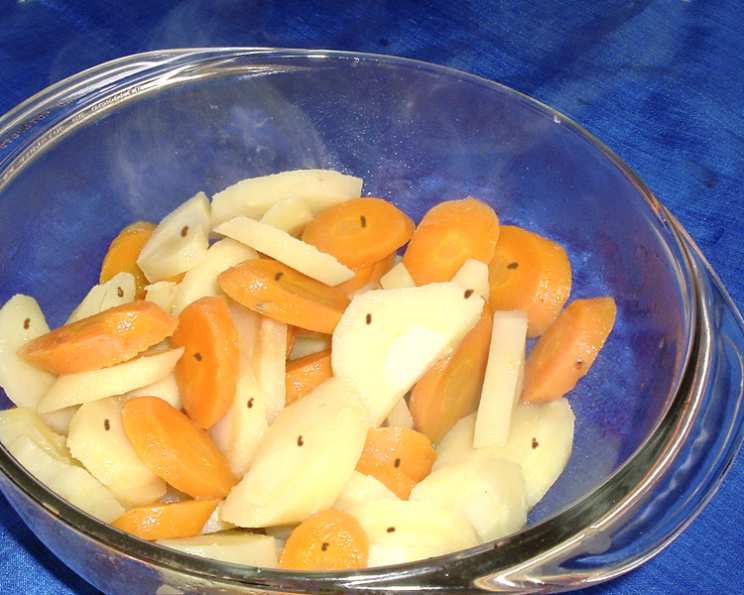
Honey-Glazed Parsnips and Carrots: A Simple Celebration of Sweet Roots
My grandmother, bless her heart, believed that every vegetable deserved a little love. And by “love,” she meant a generous drizzle of honey. As a child, I wasn’t always thrilled about root vegetables, but her honey-glazed parsnips and carrots were the exception. The sweetness would caramelize in the oven, turning the humble vegetables into something almost magical. The soft yet firm texture and the earthy flavor with a hint of sweetness won me over every time. Now, whenever I need a comforting, quick side dish, I find myself reaching for parsnips and carrots, ready to recreate that simple magic.
Recipe Overview
- Prep Time: 10 minutes
- Cook Time: Approximately 15 minutes
- Total Time: 25 minutes
- Servings: 4
- Yield: About 4 cups
- Dietary Type: Vegetarian
Ingredients
- 1-2 parsnips, sliced diagonally
- 2-3 carrots, sliced diagonally
- 2 tablespoons honey
- 1 tablespoon lemon juice
- 1 tablespoon butter
- 2 tablespoons toasted sesame seeds
Equipment Needed
- Large saucepan
- Colander
- Serving dish
Instructions
-
Begin by preparing your vegetables. Thoroughly wash and peel the parsnips and carrots. Slice them diagonally into roughly equal pieces, about ¼-inch thick, for even cooking.
-
Bring a large saucepan of salted water to a rolling boil. The salt enhances the natural sweetness of the vegetables.
-
Carefully add the sliced parsnips and carrots to the boiling water. Cook until they are just tender, but still have a slight bite – about 8-10 minutes. Overcooking will result in mushy vegetables, which we want to avoid.
-
Once the vegetables are tender, immediately drain them in a colander. Ensure all excess water is removed to allow for proper glazing.
-
Return the drained parsnips and carrots to the same saucepan.
-
Add the honey, lemon juice, and butter to the saucepan.
-
Place the saucepan over medium heat. Gently shake the pan (or stir carefully with a wooden spoon) to ensure the honey mixture evenly coats all the parsnips and carrots. Continue shaking or stirring until the vegetables are nicely glazed and the butter is melted, about 2-3 minutes. Be careful not to burn the honey.
-
Transfer the honey-glazed parsnips and carrots to a serving dish.
-
Sprinkle the toasted sesame seeds evenly over the vegetables. The sesame seeds add a lovely nutty flavor and a pleasant textural contrast.
-
Serve immediately and enjoy this simple yet delightful side dish!
Expert Tips & Tricks
- Roasting for Deeper Flavor: For a richer, more caramelized flavor, roast the parsnips and carrots instead of boiling. Toss the sliced vegetables with olive oil, salt, and pepper, then roast at 400°F (200°C) for 20-25 minutes, or until tender and slightly browned. Then, toss with the honey, lemon juice, and melted butter before serving.
- Adding Herbs: Fresh herbs can elevate this dish. Consider adding a sprig of thyme or rosemary to the boiling water for a subtle herbal infusion. Alternatively, toss fresh parsley or chives with the vegetables after glazing.
- Lemon Zest for Extra Zest: For a brighter citrus flavor, add a teaspoon of lemon zest along with the lemon juice.
- Make-Ahead Tip: You can cook the parsnips and carrots ahead of time and store them in the refrigerator. When ready to serve, simply reheat them in the saucepan with the honey, lemon juice, and butter.
- Adjusting Sweetness: Adjust the amount of honey according to your preference. If you prefer a less sweet dish, start with one tablespoon of honey and add more to taste.
Serving & Storage Suggestions
Serve these honey-glazed parsnips and carrots hot as a side dish to complement roasted chicken, pork, or fish. They also pair well with vegetarian mains like lentil loaf or nut roast.
Leftovers can be stored in an airtight container in the refrigerator for up to 3 days. To reheat, gently warm them in a saucepan over low heat, adding a splash of water or broth if needed to prevent sticking. You can also microwave them for a minute or two. While freezing is possible, it is not recommended as the vegetables may become too soft upon thawing.
Nutritional Information
| Nutrient | Amount per Serving | % Daily Value |
|---|---|---|
| Calories | 140 kcal | 7% |
| Total Fat | 5g | 6% |
| Saturated Fat | 3g | 15% |
| Cholesterol | 8mg | 3% |
| Sodium | 50mg | 2% |
| Total Carbohydrate | 23g | 8% |
| Dietary Fiber | 4g | 14% |
| Sugars | 14g | |
| Protein | 2g | 4% |
Note: Nutritional information is an estimate and may vary based on specific ingredients and preparation methods.
Variations & Substitutions
- Maple Syrup Glaze: Substitute maple syrup for honey for a different flavor profile.
- Spice It Up: Add a pinch of red pepper flakes to the honey glaze for a touch of heat.
- Ginger Infusion: Grate a small amount of fresh ginger into the glaze for a warm, spicy note.
- Vegan Option: Replace the butter with a tablespoon of olive oil or coconut oil.
- Different Nuts: Instead of sesame seeds, use chopped walnuts, pecans, or almonds.
- Other Root Vegetables: Feel free to add other root vegetables like sweet potatoes, turnips, or rutabagas to the mix.
FAQs (Frequently Asked Questions)
Q: Can I use pre-cut carrots and parsnips?
A: Yes, you can use pre-cut vegetables to save time. However, ensure they are of good quality and cut into similar sizes for even cooking.
Q: How can I prevent the honey from burning?
A: Keep the heat on medium-low and stir or shake the pan frequently to prevent the honey from burning.
Q: Can I use dried herbs instead of fresh?
A: Yes, you can use dried herbs, but use about half the amount as they are more concentrated.
Q: What if I don’t have lemon juice?
A: You can substitute with white wine vinegar or apple cider vinegar.
Q: Are toasted sesame seeds necessary?
A: While they add a nice flavor and texture, toasted sesame seeds are optional. You can omit them or use other nuts.
Final Thoughts
This honey-glazed parsnips and carrots recipe is more than just a simple side dish; it’s a celebration of fresh, seasonal vegetables and the magic of simple flavors. It’s an invitation to connect with the earthiness of root vegetables and elevate them with a touch of sweetness. I encourage you to try this recipe, experiment with variations, and discover your own favorite ways to enjoy this classic combination. Feel free to adjust the sweetness, add your preferred herbs and spices, and make it your own. And please, share your feedback and variations with me!