
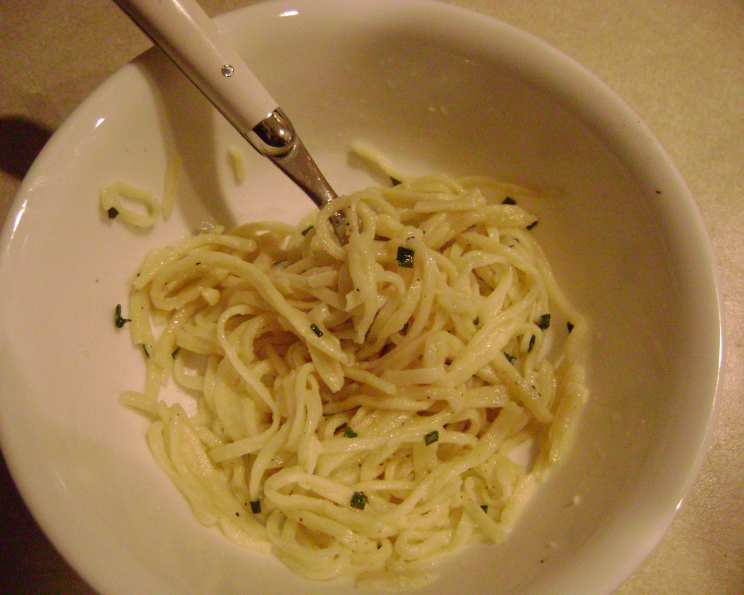
Effortless Homemade Pasta: A Bread Machine Miracle
I remember the first time I attempted homemade pasta. Flour exploded everywhere, the dough was either rock solid or hopelessly sticky, and the entire endeavor felt like a Herculean task. I nearly gave up on the dream of fresh pasta, that is until a friend revealed her secret: a bread machine. Now, the aroma of freshly made pasta fills my kitchen with minimal effort, proving that even a culinary klutz like my former self can create pasta perfection. The simplicity and consistently excellent results of this method have made it a weeknight staple.
Recipe Overview
- Prep Time: 5 minutes
- Cook Time: 3 minutes
- Total Time: 28 minutes
- Servings: 4-6
- Yield: About 1 pound of pasta
- Dietary Type: Not specified (Contains Eggs)
Ingredients
- 5 large eggs
- 3 tablespoons olive oil
- 1 tablespoon salt
- 3 cups plain flour
Equipment Needed
- Bread machine
- Pasta machine or rolling pin
- Large pot
Instructions
- Add the flour, salt, olive oil, and eggs to the bread machine. Be sure to add the wet ingredients first.
- Select the dough setting on your bread machine and start the cycle. Let the machine knead the dough for the entire cycle, approximately 10 minutes.
- Once the dough cycle is complete, remove the dough from the bread machine. It should be smooth and elastic.
- Lightly flour a clean work surface. Divide the dough into 8 equal pieces.
- Using a pasta machine, flatten each piece of dough, starting with the widest setting. Gradually decrease the thickness setting, passing the dough through each setting until you reach your desired thickness.
- Alternatively, if you don’t have a pasta machine, use a rolling pin to roll out each piece of dough as thinly as possible on a lightly floured surface.
- Once the dough is rolled out to your desired thickness, cut it into your desired shape. You can use a pasta machine to cut the dough into strands like spaghetti or fettuccine, or you can use a knife to cut it into squares for ravioli or other shapes.
- Bring a large pot of salted water to a rolling boil.
- Add the fresh pasta to the boiling water and cook for 3 minutes, or until the pasta is al dente (tender but still firm to the bite). Fresh pasta cooks much faster than dried pasta, so keep a close eye on it.
- Drain the pasta immediately and serve with your favorite sauce.
Expert Tips & Tricks
- Hydration is Key: The consistency of your dough will depend on the size of your eggs and the humidity in your kitchen. If the dough seems too dry, add a teaspoon of water at a time until it comes together. If it seems too wet, add a tablespoon of flour at a time.
- Rest the Dough: After kneading, let the dough rest, covered, for at least 30 minutes. This allows the gluten to relax, making the dough easier to roll out.
- Dust with Semolina: When rolling out the pasta, dust it with semolina flour instead of all-purpose flour. Semolina flour has a coarser texture that will prevent the pasta from sticking together.
- Freeze for Later: Fresh pasta freezes beautifully. To freeze, lay the cut pasta on a baking sheet lined with parchment paper in a single layer. Freeze until solid, then transfer to a freezer bag. Cook directly from frozen, adding a minute or two to the cooking time.
- Troubleshooting Sticky Dough: If your dough is consistently sticky, even after adding more flour, consider adding a tablespoon of olive oil. This can help to create a smoother, more manageable dough.
Serving & Storage Suggestions
Serve your freshly made pasta immediately with your favorite sauce. Classic choices include a simple tomato sauce, pesto, carbonara, or a creamy Alfredo. Garnish with fresh herbs like basil or parsley, and a generous grating of Parmesan cheese.
Leftover cooked pasta can be stored in an airtight container in the refrigerator for up to 3 days. To reheat, simply add it to boiling water for a minute or two, or sauté it in a pan with a little olive oil and your sauce.
Uncooked fresh pasta can be stored in the refrigerator for up to 24 hours. Spread the pasta in a single layer on a lightly floured baking sheet, and cover it loosely with plastic wrap.
Nutritional Information
| Nutrient | Amount per Serving | % Daily Value |
|---|---|---|
| Calories | 522.6 kcal | N/A |
| Calories from Fat | 155 g | 30% |
| Total Fat | 17.3 g | 26% |
| Saturated Fat | 3.5 g | 17% |
| Cholesterol | 264.4 mg | 88% |
| Sodium | 1833.7 mg | 76% |
| Total Carbohydrate | 72 g | 24% |
| Dietary Fiber | 2.5 g | 10% |
| Sugars | 0.7 g | 2% |
| Protein | 17.6 g | 35% |
Variations & Substitutions
- Whole Wheat Pasta: Substitute half of the plain flour with whole wheat flour for a nuttier flavor and added fiber.
- Gluten-Free Pasta: Use a gluten-free all-purpose flour blend. You may need to adjust the amount of liquid to achieve the right consistency.
- Herb-Infused Pasta: Add fresh herbs, such as basil, rosemary, or thyme, to the dough for added flavor and color. Finely chop the herbs and mix them in with the flour before adding the wet ingredients.
- Spinach Pasta: Add pureed cooked spinach to the dough for a vibrant green color and added nutrients. Reduce the amount of liquid slightly to compensate for the moisture in the spinach.
- Spicy Pasta: Add a pinch of red pepper flakes to the dough for a touch of heat.
FAQs (Frequently Asked Questions)
Q: Can I use bread flour instead of all-purpose flour?
A: While you can, all-purpose flour is recommended for a more tender pasta. Bread flour has a higher protein content, which can result in a slightly tougher dough.
Q: My dough is too crumbly and won’t come together. What should I do?
A: Add a teaspoon of water at a time until the dough forms a smooth ball. Be careful not to add too much water, or the dough will become sticky.
Q: Can I make this dough by hand if I don’t have a bread machine?
A: Yes, you can! Combine the ingredients in a bowl and knead the dough on a lightly floured surface for about 10 minutes, or until it is smooth and elastic.
Q: How do I know when the pasta is cooked?
A: Fresh pasta cooks very quickly. It’s usually ready in about 3 minutes. The best way to tell if it’s done is to taste it. It should be al dente, which means tender but still firm to the bite.
Q: Can I use this dough to make ravioli?
A: Absolutely! This dough is perfect for making ravioli. Simply roll it out thinly, cut it into squares, fill with your favorite filling, and seal the edges.
Final Thoughts
Don’t let the thought of homemade pasta intimidate you. With this bread machine method, you can enjoy the unparalleled taste of fresh pasta with minimal effort. Gather your ingredients, dust off that bread machine, and prepare to be amazed by how easy and rewarding it is to create restaurant-quality pasta in your own kitchen. This pasta pairs beautifully with a crisp Pinot Grigio and a simple salad for a complete and satisfying meal. I encourage you to experiment with different flavors and sauces to create your own signature pasta dishes. Happy cooking!