
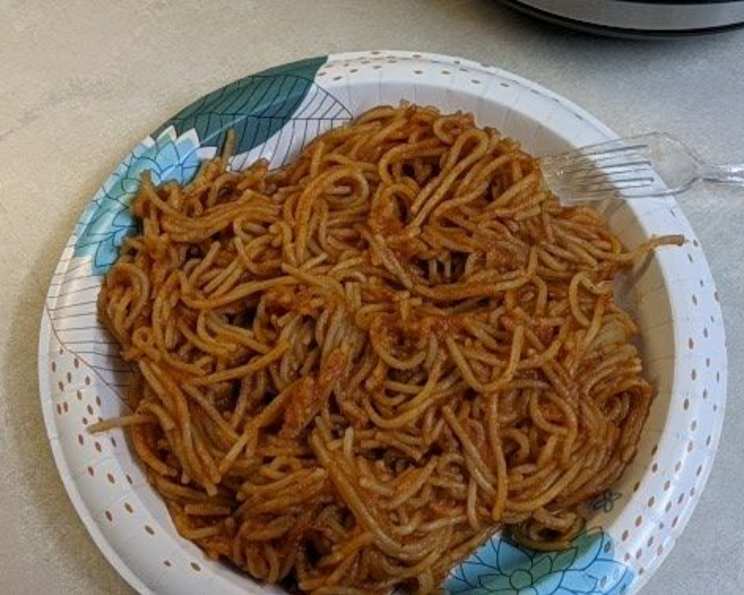
Pasta in the Rice Cooker: A Surprisingly Simple Weeknight Dinner
I remember the first time I saw someone make pasta in a rice cooker. I was a culinary student, convinced that pasta had to be boiled in a massive pot of salted water, and the idea seemed sacrilegious! But the aroma wafting from that humble appliance was undeniably delicious, a rich tomato sauce clinging to perfectly cooked spaghetti. It was a revelation – a testament to the fact that great food doesn’t always require complicated techniques or fancy equipment. Now, it’s a staple in my busy weeknight rotation, a comforting and customizable meal that’s ready in under an hour.
Recipe Overview
- Prep Time: 5 minutes
- Cook Time: 27 minutes
- Total Time: 32 minutes
- Servings: 4
- Dietary Type: Adaptable (can be vegetarian or contain meat)
Ingredients
- 1 lb pasta (spaghetti or linguine recommended)
- 2 1/2 cups water
- 26 ounces marinara sauce
- Meatballs (optional) or sausage (optional)
Equipment Needed
- Rice cooker (10-cup recommended, but can be adjusted for smaller cookers)
Instructions
-
If you are adding raw meat or sausage, begin by cooking it directly in the rice cooker pan. Use the Quick Cook or Cook setting until the meat is fully cooked and browned. This step ensures the meat is safely cooked and adds flavor to the sauce. Remove any excess grease after cooking the meat.
-
If you are using spaghetti or linguine, break the pasta in half to ensure it fits inside the rice cooker. This is important for even cooking. For other types of pasta (like penne or rotini), breaking may not be necessary.
-
Layer the dry pasta in the rice cooker pan, on top of the cooked meat (if using).
-
Pour in the water and marinara sauce. Ensure the pasta is mostly submerged in the liquid.
-
Turn on the rice cooker to the cook setting.
-
Stir frequently during the cooking process. This prevents the pasta from sticking together and ensures even cooking.
-
When the rice cooker switches to the warm setting, check the pasta for doneness. It should be tender but still slightly firm to the bite (al dente).
-
If the pasta is not fully cooked, add a little more water (about 1/4 cup), stir well, and turn the rice cooker back to the cook setting. Continue cooking and checking periodically until the pasta reaches your desired level of doneness.
-
For a vegetarian version, simply omit the ground beef, meatballs, or sausage. The pasta will still be delicious with just the marinara sauce.
Expert Tips & Tricks
- Prevent Sticking: Stirring frequently is key to preventing the pasta from sticking to the bottom of the rice cooker. Don’t skip this step!
- Adjusting Liquid: The amount of water needed can vary slightly depending on the type of pasta you use and the rice cooker model. Start with the recommended amount, and add more as needed if the pasta is drying out before it’s cooked through.
- Enhance the Flavor: For a richer flavor, add a tablespoon of olive oil or a pat of butter to the rice cooker along with the water and sauce.
- Don’t Overcook: Keep a close eye on the pasta towards the end of the cooking time. Overcooked pasta will be mushy and unpleasant.
- Herbs and Spices: Fresh or dried herbs such as basil, oregano, or parsley can add a lot of flavor to the dish. Add them to the rice cooker along with the sauce.
- Cheese, Please: Adding a sprinkle of grated Parmesan cheese during the last few minutes of cooking will create a creamy, cheesy sauce.
- Sautéing vegetables: Before adding pasta, you can sauté vegetables such as onions, garlic, bell peppers, and mushrooms in the rice cooker for extra flavor and nutrition.
- Use broth: Substitute some of the water with vegetable or chicken broth for a deeper, more complex flavor.
- Spicy option: Add a pinch of red pepper flakes to the sauce for a kick.
Serving & Storage Suggestions
Serve the pasta immediately after cooking, garnished with fresh basil and a sprinkle of Parmesan cheese, if desired. Leftovers can be stored in an airtight container in the refrigerator for up to 3 days. To reheat, simply microwave until heated through. You may need to add a splash of water to prevent the pasta from drying out. While freezing is possible, the texture of the pasta may change, becoming slightly softer.
Nutritional Information
| Nutrient | Amount per Serving | % Daily Value |
|---|---|---|
| Calories | 573 kcal | N/A |
| Total Fat | 6.6 g | 10% |
| Saturated Fat | 1 g | 4% |
| Cholesterol | 0 mg | 0% |
| Sodium | 986 mg | 41% |
| Total Carbohydrate | 108 g | 36% |
| Dietary Fiber | 4.5 g | 17% |
| Sugars | 20.1 g | N/A |
| Protein | 18.8 g | N/A |
Note: Nutritional information is an estimate and may vary based on specific ingredients and portion sizes.
Variations & Substitutions
- Gluten-Free: Use gluten-free pasta instead of regular pasta. Be sure to monitor the cooking time closely, as gluten-free pasta can sometimes cook faster.
- Different Sauces: Experiment with different types of sauces, such as pesto, alfredo, or vodka sauce.
- Add Vegetables: Incorporate vegetables like spinach, zucchini, bell peppers, or mushrooms for added nutrients and flavor.
- Spice it Up: Add a pinch of red pepper flakes to the sauce for a bit of heat.
- Meat Alternatives: Use plant-based sausage or meatballs for a vegetarian or vegan option.
- Seafood: Shrimp or clams can be added for a delicious seafood pasta dish. Add them during the last few minutes of cooking to prevent overcooking.
FAQs (Frequently Asked Questions)
Q: Can I use a smaller rice cooker?
A: Yes, you can adapt the recipe for a smaller rice cooker. Reduce the ingredients proportionally, and be sure to monitor the cooking time closely. A 5 or 7 cup rice cooker will work, adjusting ingredients accordingly.
Q: What if my pasta is still not cooked when the rice cooker switches to warm?
A: Add a little more water (about 1/4 cup), stir well, and turn the rice cooker back to the cook setting. Continue cooking and checking periodically until the pasta reaches your desired level of doneness.
Q: Can I use different types of pasta?
A: Absolutely! While spaghetti and linguine are recommended, you can use other types of pasta, such as penne, rotini, or bow ties. The cooking time may vary slightly, so be sure to monitor the pasta closely.
Q: Can I add cheese to this dish?
A: Yes, you can add cheese to this dish! Grated Parmesan cheese, mozzarella, or ricotta are all great options. Add the cheese during the last few minutes of cooking or sprinkle it on top before serving.
Q: Can I make this recipe ahead of time?
A: While it’s best served fresh, you can make this recipe ahead of time and store it in the refrigerator for up to 3 days. The pasta may absorb some of the sauce, so you may need to add a splash of water when reheating.
Final Thoughts
Making pasta in a rice cooker might seem unconventional, but it’s a surprisingly easy and delicious way to enjoy a classic comfort food. With minimal effort and cleanup, you can have a flavorful and satisfying meal on the table in under an hour. Don’t be afraid to experiment with different sauces, vegetables, and meats to create your own signature rice cooker pasta dish. I encourage you to try this recipe and discover the magic of rice cooker pasta for yourself. Share your creations and feedback with me – I can’t wait to hear how you make it your own! Pair it with a simple side salad and some crusty bread for a complete and satisfying meal.