
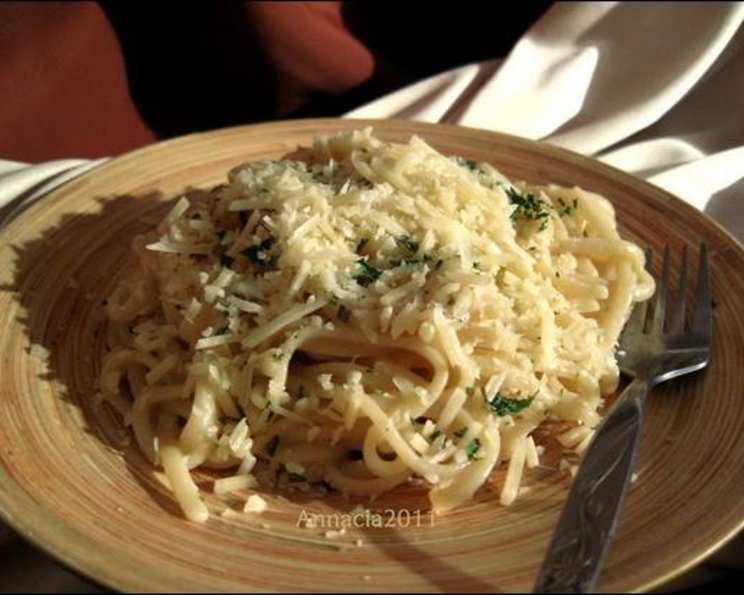
Pasta With Lemon, Pepper and Parmigiano: A Symphony of Simplicity
The first time I tasted this dish, I was a young apprentice, overwhelmed by the complexity of classic French cuisine. Then, during a rare break, the head chef, a gruff but kind Italian, tossed this together for a quick staff lunch. The bright lemon, the sharp pepper, the nutty Parmigiano – it was a revelation. It proved to me that sometimes, the most profound flavors come from the simplest of preparations. This recipe is a testament to that philosophy – a reminder that deliciousness doesn’t always require hours in the kitchen.
Recipe Overview
- Prep Time: 5 minutes
- Cook Time: 12 minutes
- Total Time: 17 minutes
- Servings: 4
- Dietary Type: Vegetarian
Ingredients
- 375 g extra large egg noodles or 375 g fettuccine pasta
- 1/3 cup olive oil
- 1/3 cup chicken stock, warm (Vegetable stock for a vegetarian option)
- 1/2 lemon, juice of
- 1 cup parmigiano-reggiano cheese, grated
- 1 tablespoon black pepper, crushed
- Salt, to taste
- Fresh parsley (optional), for garnish
Equipment Needed
- Large pot
- Colander
- Large bowl
- Lemon juicer (optional)
- Grater
- Measuring cups and spoons
Instructions
- In a large pot, bring salted water to a rolling boil. The water should be generously salted – think “sea water” – as this seasons the pasta from the inside out.
- Add the egg noodles or fettuccine to the boiling water. Cook according to package directions until al dente. This means the pasta should be firm to the bite, not mushy. Usually around 8-10 minutes, but always check the packaging for specific instructions.
- While the pasta is cooking, prepare the sauce. Juice half a lemon, ensuring you catch any seeds. Grate 1 cup of parmigiano-reggiano cheese. Crush 1 tablespoon of black pepper. Have the warm chicken stock ready to go.
- Once the pasta is cooked al dente, drain it immediately. Reserve about ½ cup of the pasta water before draining; you might need it to adjust the sauce’s consistency later.
- Transfer the drained pasta to a large bowl. Work quickly to prevent the pasta from sticking together.
- Immediately add the 1/3 cup olive oil, 1/3 cup warm chicken stock, juice of 1/2 lemon, 1 cup grated parmigiano-reggiano cheese, and 1 tablespoon crushed black pepper to the pasta.
- Using tongs or two large spoons, toss the pasta vigorously to combine all the ingredients. The heat from the pasta will help melt the cheese and create a creamy sauce. If the sauce seems too thick, add a little of the reserved pasta water until it reaches your desired consistency.
- Taste and add salt if needed. Keep in mind that Parmigiano-Reggiano is already quite salty, so you might not need much.
- Serve immediately. Garnish with fresh parsley, if desired.
Expert Tips & Tricks
- Use high-quality ingredients: The beauty of this dish lies in its simplicity, so using the best ingredients possible makes a huge difference. Opt for a good quality extra virgin olive oil, freshly grated Parmigiano-Reggiano (avoid the pre-grated kind), and freshly cracked black pepper.
- Warm the chicken stock: Warming the chicken stock helps it emulsify with the olive oil and lemon juice, creating a smoother sauce.
- Don’t overcook the pasta: Al dente pasta is crucial for the right texture. Overcooked pasta will be mushy and won’t hold the sauce as well.
- Grate the cheese finely: Finely grated cheese melts more easily and evenly into the sauce.
- Adjust the sauce to your liking: Feel free to adjust the amount of lemon juice, pepper, and cheese to suit your taste preferences.
- Spice it up: For a little kick, add a pinch of red pepper flakes to the sauce.
- Add more protein: Toss in some grilled chicken, shrimp, or roasted vegetables for a more substantial meal.
Serving & Storage Suggestions
Serve this pasta dish immediately while it’s hot and the cheese is melted and creamy. A simple green salad makes a perfect accompaniment. A crisp white wine, like a Pinot Grigio or Sauvignon Blanc, pairs beautifully with the lemon and Parmigiano.
Leftovers can be stored in an airtight container in the refrigerator for up to 2 days. However, be aware that the pasta will absorb some of the sauce as it sits, so it may be a bit drier when reheated. To reheat, add a splash of chicken stock or water to the pasta before microwaving or heating in a skillet over low heat. The pasta is best enjoyed fresh, so I don’t recommend freezing it.
Nutritional Information
| Nutrient | Amount per Serving | % Daily Value |
|---|---|---|
| Calories | 614.8 kcal | N/A |
| Calories from Fat | 251 g | 41% |
| Total Fat | 27.9 g | 42% |
| Saturated Fat | 7.2 g | 35% |
| Cholesterol | 93.8 mg | 31% |
| Sodium | 388.2 mg | 16% |
| Total Carbohydrate | 69.7 g | 23% |
| Dietary Fiber | 3.5 g | 14% |
| Sugars | 2.4 g | 9% |
| Protein | 21.6 g | 43% |
Variations & Substitutions
- Gluten-Free: Use gluten-free pasta. There are many excellent gluten-free pasta options available now.
- Vegan: Substitute nutritional yeast for the Parmigiano-Reggiano and use vegetable stock instead of chicken stock.
- Different Cheese: Pecorino Romano can be used in place of Parmigiano-Reggiano for a sharper, saltier flavor.
- Add Greens: Toss in some wilted spinach, kale, or arugula for added nutrients and flavor.
- Citrus Zest: Add the zest of the lemon along with the juice for a more intense lemon flavor.
- Herbs: Experiment with different herbs, such as basil, oregano, or thyme, in addition to or instead of parsley.
- Spicy: A pinch of red pepper flakes adds a welcome kick.
FAQs (Frequently Asked Questions):
Q: Can I use pre-grated Parmesan cheese?
A: While you can, I highly recommend grating your own Parmigiano-Reggiano. The flavor is much fresher and more intense. Pre-grated cheese often contains cellulose, which prevents it from melting as smoothly.
Q: Can I make this ahead of time?
A: This pasta dish is best served immediately, as the sauce can dry out if it sits for too long. If you need to prep in advance, you can cook the pasta and prepare the sauce separately, then combine them just before serving.
Q: What kind of pasta works best for this recipe?
A: Egg noodles or fettuccine are classic choices, but you can also use other long pasta shapes like spaghetti, linguine, or bucatini. The key is to choose a pasta that will hold the sauce well.
Q: Can I use bottled lemon juice?
A: Fresh lemon juice is always preferable, as it has a brighter and more vibrant flavor. However, if you don’t have fresh lemons on hand, bottled lemon juice can be used in a pinch.
Q: What is “al dente” and why is it important?
A: “Al dente” means “to the tooth” in Italian. It refers to pasta that is cooked until it is firm to the bite, not mushy or overcooked. Cooking pasta al dente is important because it gives the pasta a pleasant texture and allows it to hold the sauce better.
Final Thoughts
This Pasta with Lemon, Pepper, and Parmigiano is a celebration of simple, fresh ingredients and effortless cooking. It’s a dish that can be thrown together in minutes, perfect for a weeknight meal or a quick lunch. Don’t be afraid to experiment with variations and substitutions to make it your own. I hope you enjoy this taste of Italian sunshine as much as I do! Feel free to share your creations and modifications in the comments below. And if you’re looking for a perfect pairing, try serving it with a chilled glass of crisp white wine and a side of grilled asparagus. Buon appetito!