
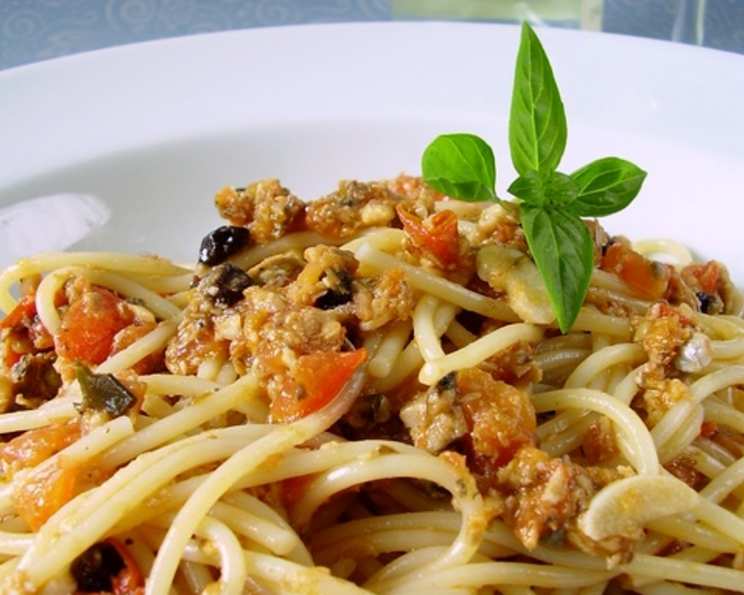
Pasta With Sardine Sauce: A Sicilian Culinary Journey
My earliest memory of this dish involves the aroma of the sea permeating Nonna’s kitchen. The sharp, almost metallic scent of the sardines frying in olive oil, mingling with the sweetness of tomato paste and the herbaceous notes of fresh oregano, created a symphony that instantly transported me to the sun-drenched shores of Sicily. It wasn’t just a meal; it was a sensory experience, a taste of home that I’ve carried with me ever since.
Recipe Overview
- Prep Time: 15 minutes
- Cook Time: 45 minutes
- Total Time: 1 hour
- Servings: 4
- Dietary Type: Mediterranean
Ingredients
- ½ lb sardine fillets
- ¼ cup extra virgin olive oil
- 2 garlic cloves, thinly sliced
- 1 (6 ounce) can tomato paste
- ⅛ cup seedless raisins (optional)
- 1 sprig fresh oregano (dried oregano may be used, about 1 teaspoon)
- 5 fresh basil leaves (dried basil may be used, about 1 teaspoon)
- Parmesan cheese or Romano cheese, grated (fresh is best)
- Salt and pepper to taste
- 1 lb pasta
Equipment Needed
- Large pot
- Large skillet or saucepan
- Colander
- Knife
- Cutting board
- Grater (for cheese)
Instructions
-
Begin by preparing the sardines. Cut the sardine fillets into 1-inch pieces. This will ensure they cook evenly and integrate well into the sauce.
-
In a large skillet or saucepan, heat the extra virgin olive oil over medium heat. Add the thinly sliced garlic cloves and sauté until golden. Be careful not to burn the garlic, as it will impart a bitter flavor to the sauce.
-
Add the cut sardines to the skillet. Continue to sauté and stir the mixture until the sardines break down and almost form a paste. This process should take approximately 7 minutes. The fish will become very tender and easily mashed with a spoon.
-
Incorporate the tomato paste into the sardine mixture. Then, using the empty tomato paste can as a measuring tool, add 3 to 5 cans of water to the fish. This will create the base of your sauce. Bring the mixture to a boil.
-
Add the fresh oregano and fresh basil leaves (torn or chopped) and the raisins (if using) to the boiling sauce. The herbs will infuse the sauce with their aromatic essence, while the raisins will add a touch of sweetness that complements the richness of the sardines.
-
Reduce the heat to low, season with salt and pepper to taste, and simmer the sauce until it thickens. This typically takes around 20-30 minutes. Stir occasionally to prevent sticking and ensure even cooking. The sauce should have a rich, concentrated flavor and a slightly chunky consistency.
-
While the sauce is simmering, bring a large pot of cold water to a rolling boil. Add a generous pinch of salt to the boiling water.
-
Add the pasta to the boiling water and cook until al dente, following the package instructions. “Al dente” means “to the tooth” in Italian; the pasta should be firm to the bite, not mushy.
-
Once the pasta is cooked, drain it in a colander, reserving about ½ cup of the pasta water.
-
Transfer the drained pasta to the skillet with the sardine sauce. Toss the pasta thoroughly with the sauce, ensuring that every strand is coated. If the sauce seems too thick, add a little of the reserved pasta water to loosen it up.
-
Serve immediately, garnished with grated Parmesan cheese or Romano cheese.
Expert Tips & Tricks
- For a deeper, more complex flavor, consider adding a pinch of red pepper flakes to the sauce.
- If you can’t find fresh sardines, you can use canned sardines in olive oil, but drain them well before adding them to the sauce.
- A splash of dry white wine added to the sauce after the garlic is sautéed can elevate the flavor profile. Let the wine reduce slightly before adding the sardines.
- To avoid overcooking the pasta, start checking for doneness a minute or two before the package instructions suggest.
- If you want to make the sauce ahead of time, you can store it in the refrigerator for up to 3 days. Reheat it gently before tossing it with the cooked pasta.
Serving & Storage Suggestions
Serve Pasta con Sarde Siciliano immediately after tossing the pasta with the sauce, ensuring the pasta remains al dente and the sauce is warm. A generous grating of fresh Parmesan or Romano cheese is a must. A side of crusty bread is perfect for soaking up any remaining sauce.
Leftovers can be stored in an airtight container in the refrigerator for up to 2 days. Reheat gently in a skillet over low heat, adding a splash of water if needed to prevent drying out. While the sauce can be frozen, the texture of the pasta may change upon thawing, so it’s best to enjoy the leftovers within a couple of days.
Nutritional Information
| Nutrient | Amount per Serving | % Daily Value |
|---|---|---|
| Calories | 580 kcal | N/A |
| Calories from Fat | 138 g | 24% |
| Total Fat | 15.4 g | 23% |
| Saturated Fat | 2.2 g | 11% |
| Cholesterol | 0 mg | 0% |
| Sodium | 346 mg | 14% |
| Total Carbohydrate | 93.7 g | 31% |
| Dietary Fiber | 5.5 g | 21% |
| Sugars | 8.3 g | 33% |
| Protein | 16.8 g | 33% |
Variations & Substitutions
- For a gluten-free option, use gluten-free pasta.
- Add toasted pine nuts for extra crunch and nutty flavor.
- Substitute the raisins with currants or chopped dried apricots for a different sweetness.
- For a spicier version, add a pinch of cayenne pepper or a dash of hot sauce to the sauce.
- In some regions of Sicily, saffron is added to the sauce for a more vibrant color and flavor. Add a pinch of saffron threads to the sauce during the simmering process.
- Use bucatini or perciatelli pasta instead of spaghetti for a more authentic Sicilian experience. These thicker, hollow pastas hold the sauce beautifully.
FAQs (Frequently Asked Questions)
Q: Can I use canned sardines instead of fresh?
A: Yes, you can substitute canned sardines in olive oil, but drain them well before adding them to the sauce to avoid excessive oiliness. Fresh sardines, however, offer a more delicate flavor.
Q: How do I prevent the garlic from burning when sautéing?
A: Sauté the garlic over medium-low heat and stir frequently. If it starts to brown too quickly, add a tablespoon of water or olive oil to the pan.
Q: What kind of cheese is best for this dish?
A: Freshly grated Parmesan or Romano cheese are the most traditional choices. Pecorino Romano, with its salty, sharp flavor, is also a great option.
Q: Can I make this dish vegetarian?
A: While this dish traditionally features sardines, you can create a vegetarian version by omitting the fish and using roasted vegetables like eggplant, zucchini, and bell peppers in the sauce instead.
Q: How can I make the sauce thicker?
A: Simmer the sauce for a longer period of time to allow the excess water to evaporate. You can also add a small amount of cornstarch mixed with water as a thickening agent.
Final Thoughts
Pasta con Sarde Siciliano is more than just a recipe; it’s a connection to Sicilian heritage, a taste of the Mediterranean sun, and a testament to the beauty of simple, fresh ingredients. I encourage you to try this recipe and experience the authentic flavors of Sicily in your own kitchen. Don’t be afraid to experiment with variations and make it your own. Share your creations and feedback, and buon appetito! Consider pairing this dish with a crisp, dry white wine like a Sicilian Grillo or a Vermentino for a complete and delightful culinary experience.