
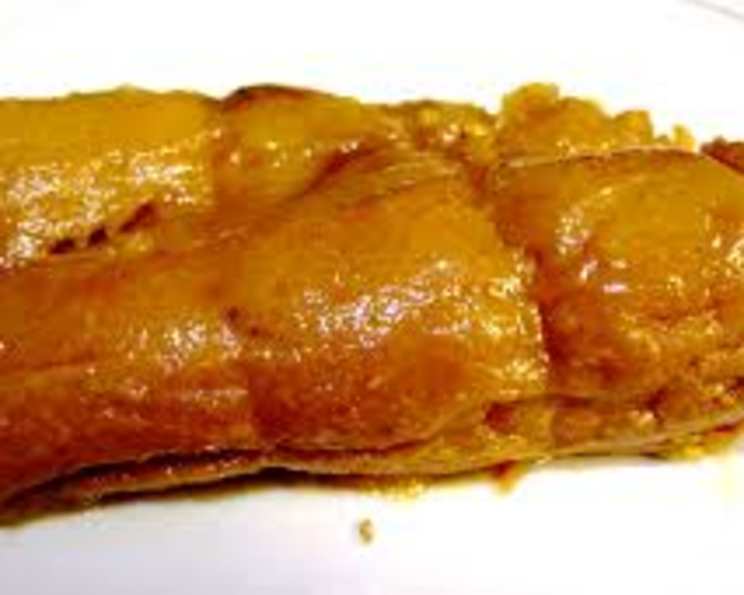
Pasteles en Hoja: A Taste of Dominican Christmas
The scent of plantain leaves steaming in a large pot instantly transports me back to my Abuela’s kitchen during Christmas. I remember huddling around her, mesmerized as she expertly assembled these savory pockets of flavor, her hands moving with a speed and precision honed over decades. Each pastel was a labor of love, a testament to family and tradition, and a delicious reminder of home. The first bite, a mix of creamy plantain, tender meat, and aromatic spices, was pure holiday magic.
Recipe Overview
- Prep Time: 1 hour
- Cook Time: 20 minutes
- Total Time: 1 hour 20 minutes
- Servings: 4
- Dietary Type: Not specified (contains meat)
Ingredients
- 1 unripe plantain (as bright green as you can find)
- ½ lb yautia (malanga)
- ½ lb white yam (ñame)
- 1-2 tablespoons Goya brand adobo seasoning
- 3-4 plantain leaves
- 3 dried bay leaves, crushed
- ½ lb pork loin or ½ lb chicken
- 1 tablespoon tomato paste
- 1 teaspoon salt
- 3 garlic cloves, mashed
- ½ teaspoon onion powder
- ½ teaspoon dried oregano
- 1 small red onion, chopped
- 3 tablespoons chicken broth
- 1 green pepper, seeded and chopped
- Fresh ground black pepper
- Tying string
Equipment Needed
- Large pot
- Crock-Pot or slow cooker
- Grater
- Large bowl
- Frying pan
Instructions
-
Begin by preparing the plantain leaves. Cut them into approximately 8×8-inch squares. Thoroughly wash the leaves and then pat them dry. Set aside for later use.
-
Next, prepare the meat. Place either a small chicken (around 2 lbs) or pork loin in a crock-pot or slow cooker. Generously sprinkle with adobo seasoning, ensuring the meat is well covered. Set the crock-pot to low and cook for 6-8 hours. This slow cooking process will ensure the meat is incredibly tender.
-
Once the meat is cooked, allow it to cool sufficiently so you can handle it. Using your fingers, shred the meat. This shredded meat will be used as the filling for the pasteles.
-
In a bowl, combine the shredded meat with onion powder, oregano, and 2 tablespoons of adobo seasoning. Mix well to ensure the meat is evenly seasoned.
-
Now, prepare the sofrito. In a frying pan over medium heat, heat a tablespoon of oil (vegetable or olive oil works well). Add the mashed garlic, chopped onions, and chopped green pepper. Sauté these ingredients until they are tender and fragrant, about 5-7 minutes.
-
Add half of the shredded meat (1/2 lb) to the sofrito. Cook until the meat is no longer pink. Drain any excess fat from the pan. Return the pan to the heat.
-
Add 2 tablespoons of water and the tomato paste to the meat mixture. Cook until all the liquid has evaporated, stirring occasionally. This will concentrate the flavors and create a rich, savory filling. Reserve this meat mixture.
-
Prepare the remaining meat. In a frying pan over medium heat, add a tablespoon of oil. Add the mashed garlic, chopped onions, and chopped green pepper and sauté until tender. Add the remaining 1/2 lb of meat.
-
Season the meat with oregano, crushed bay leaves, onion powder, black pepper, and salt (if needed, keeping in mind the adobo seasoning is already salty). Stir until well combined.
-
Add 2 tablespoons of water and the tomato paste to the pan. Heat through for about 2 minutes, or until the liquid has evaporated. Reserve this meat mixture as well. You should now have two distinct meat fillings.
-
Now, it’s time to prepare the masa (dough). Peel the plantains, yautia (malanga), and white yam (ñame).
-
Using a grater, grate the raw ñame, malanga, and plantain. Place the grated mixture in a large bowl.
-
To the grated mixture, add 1 teaspoon of adobo seasoning and 1 teaspoon of salt.
-
Add the chicken broth to the mixture. You can use store-bought broth or, even better, the broth created when slow-cooking the chicken (if you chose chicken). The mixture should resemble a doughy mass. Be careful not to make it too wet. Add the broth gradually until you achieve the desired consistency.
-
Now it’s time to assemble the pasteles. Place 2 tablespoons of the plantain mixture on the center of a banana leaf square.
-
On top of the plantain mixture, put 1 teaspoon of one of the meat fillings.
-
Top the meat with 2 more tablespoons of the plantain mixture, effectively sandwiching the meat between the plantain masa.
-
Wrap the banana leaf around the mixture to form a rectangle, about 5-7 inches in length and 3-4 inches in width.
-
Wrap another layer of parchment paper over each one to help keep the pastel intact.
-
Take the tying string and tie it once around the pastel lengthwise and once around widthwise, similar to wrapping a present. Tie a knot in the middle to secure it.
-
At this point, you can freeze the pasteles. For freezing, wrap a third layer of foil over each one and store for up to a month. Remember to remove the foil before cooking.
-
When ready to cook, put half a gallon of water in a very large pot and bring to a boil.
-
Carefully place the wrapped pasteles in the boiling water and boil them for 20 minutes.
-
To serve, remove the banana leaf before eating.
-
We usually eat them with Tabasco sauce and/or ketchup.
Expert Tips & Tricks
- Choosing the Right Plantains: The greenest plantains are the starchiest and will give your pasteles the best texture. Avoid plantains that are starting to yellow.
- Preventing a Soggy Masa: Squeeze out excess liquid from the grated plantains and tubers before adding the broth. This will prevent the masa from becoming too watery.
- Flavor Infusion: Add a few drops of achiote oil to the masa for a vibrant color and subtle earthy flavor.
- Freezing for Later: Pasteles freeze exceptionally well. Make a big batch and freeze them individually for a quick and easy meal anytime. Thaw them overnight in the refrigerator before boiling.
- Meat Variations: Feel free to experiment with different meats like ground beef, shredded turkey, or even chorizo.
Serving & Storage Suggestions
Serve pasteles hot, straight from the pot. They are delicious on their own or accompanied by a side of arroz con gandules (rice with pigeon peas) and a crisp green salad.
Leftover pasteles can be stored in the refrigerator for up to 3 days. Reheat them by steaming them gently or microwaving them with a damp paper towel to prevent them from drying out. You can also refry them in a pan with a little oil for a crispy exterior. Frozen pasteles should be used within a month for best quality.
Nutritional Information
| Nutrient | Amount per Serving | % Daily Value |
|---|---|---|
| Calories | 450 kcal | 23% |
| Total Fat | 18g | 28% |
| Saturated Fat | 6g | 30% |
| Cholesterol | 45mg | 15% |
| Sodium | 800mg | 33% |
| Total Carbohydrate | 75g | 25% |
| Dietary Fiber | 15g | 60% |
| Sugars | 8g | – |
| Protein | 15g | 30% |
Note: Nutritional information is an estimate and may vary based on specific ingredients and preparation methods.
Variations & Substitutions
- Vegetarian Option: Replace the meat with a medley of sautéed vegetables like mushrooms, zucchini, and bell peppers. Add some cooked beans for protein.
- Spicy Pasteles: Add a chopped habanero pepper to the sofrito for a fiery kick.
- Sweet Plantain Pasteles: Use ripe (yellow) plantains for a sweeter version. Fill with a mixture of cooked apples, raisins, and cinnamon.
- Gluten-Free: This recipe is naturally gluten-free as it uses plantains and tubers instead of wheat flour.
- Vegan: Sub the meat filling for seasoned jackfruit or lentils. Ensure that the broth used is vegetable based.
FAQs (Frequently Asked Questions)
Q: Can I use frozen plantains and yautia?
A: Yes, frozen plantains and yautia can be used, but make sure to thaw them completely and drain any excess water before grating. This will help prevent the masa from becoming too soggy.
Q: How can I tell if the pasteles are cooked through?
A: The pasteles are cooked through when the masa is firm to the touch and the banana leaves have changed color. You can also test one by removing it from the pot and cutting it open to check the internal temperature.
Q: Can I bake these instead of boiling?
A: While traditionally boiled, you can bake them. Preheat your oven to 350°F (175°C) and bake for about 45 minutes to an hour, or until the masa is firm.
Q: What if I can’t find plantain leaves?
A: If you can’t find plantain leaves, you can use parchment paper or banana leaves as a substitute. Parchment paper won’t impart the same flavor, but it will work to hold the pasteles together.
Q: How can I make the masa smoother?
A: For a smoother masa, you can use a food processor to grind the plantains and tubers instead of grating them by hand. Be careful not to over-process, as this can make the mixture gummy.
Final Thoughts
Making Pasteles en Hoja is more than just following a recipe; it’s about connecting with your heritage, sharing a culinary tradition, and creating memories that will last a lifetime. Don’t be intimidated by the process – embrace it! Gather your loved ones, put on some music, and enjoy the experience of making these delicious treats together. I encourage you to try this recipe and add your own personal touch. Serve them with a side of tostones and a cold Presidente beer for the ultimate Dominican feast!