
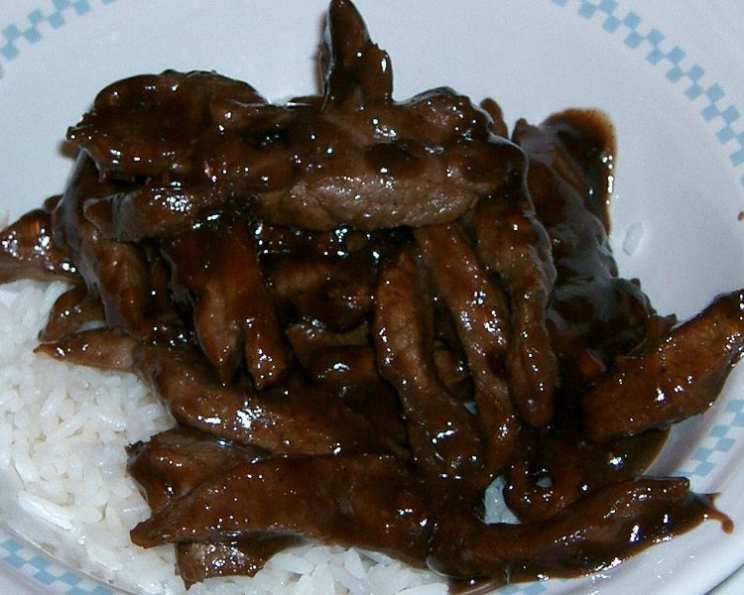
Peking Beef: A Taste of Home-Cooked Authenticity
The first time I tasted Peking Beef was from a tiny, family-run restaurant tucked away in a bustling city alleyway. The aroma alone – a symphony of sweet honey, savory soy, and warm spices – drew me in. Each tender slice of beef, glistening with that rich, dark sauce, was a revelation. I remember thinking, “I need to learn how to make this myself!” That quest began a delicious journey that has led me to this very recipe, a slightly saucier version that brings those cherished memories right back to my own kitchen.
Recipe Overview
- Prep Time: 15 minutes
- Cook Time: 20 minutes
- Total Time: 35 minutes
- Servings: 2-4
- Dietary Type: Not specified (see variations for gluten-free)
Ingredients
- 500 – 600 g stir-fry beef
- 2 tablespoons peanut oil
Marinade
- 4 teaspoons hoisin sauce
- 4 teaspoons five-spice powder
- 4 tablespoons honey
- 4 tablespoons soy sauce
- 2 garlic cloves, chopped
- 2 teaspoons sesame oil
- 4 tablespoons dry sherry
- 2 tablespoons cornflour
Equipment Needed
- Mixing bowl
- Frypan (skillet)
Instructions
- In a mixing bowl, thoroughly combine all of the marinade ingredients: hoisin sauce, five-spice powder, honey, soy sauce, chopped garlic, sesame oil, dry sherry, and cornflour. Ensure there are no lumps and the mixture is smooth.
- Place the stir-fry beef into the marinade, ensuring all pieces are well coated. Cover the bowl tightly.
- Refrigerate the marinated beef for at least 2 hours. This allows the flavors to penetrate the meat, resulting in a more tender and flavorful dish. You can marinate it for longer, even overnight, for an even deeper flavor.
- Heat a frypan (skillet) over medium heat. Add the peanut oil.
- When the oil is hot and shimmering, carefully add the marinated beef to the hot pan. Spread the beef out in a single layer as much as possible to promote even cooking.
- Maintain the frypan at medium heat and cook the beef until it is cooked through and no longer pink. This typically takes about 10-15 minutes, depending on the thickness of the beef slices and the heat of your pan. Stir occasionally to prevent sticking and ensure even cooking.
- Once the beef is cooked, reduce the heat to a simmer. The sauce should begin to thicken within about 10 minutes.
- If you prefer a thicker sauce, you can add a bit more cornflour. First, mix the cornflour with a small amount of cold water to create a slurry. This prevents lumps from forming when added to the hot sauce. Gradually add the cornflour slurry to the sauce, stirring constantly, until the desired consistency is reached. Be careful not to add too much, as it can make the sauce overly thick and gloppy.
Expert Tips & Tricks
- For extra tender beef, consider using a meat tenderizer or pounding the beef slices lightly before marinating. This helps to break down the muscle fibers.
- Don’t overcrowd the pan when cooking the beef. If necessary, cook it in batches to ensure it browns properly. Overcrowding the pan will lower the temperature and cause the beef to steam instead of sear.
- If the sauce becomes too thick, add a tablespoon or two of water or chicken broth to thin it out.
- Taste the sauce before serving and adjust the seasoning as needed. You can add a pinch of salt or sugar to balance the flavors. A dash of rice vinegar can also add a nice tang.
- To make the sauce even more flavorful, consider adding a small piece of ginger, minced, to the marinade.
Serving & Storage Suggestions
Serve the Peking Beef hot, ideally over steamed rice or noodles. Garnish with sesame seeds and chopped green onions for a pop of color and added flavor. It also pairs well with stir-fried vegetables like broccoli, bell peppers, and snap peas.
Leftovers can be stored in an airtight container in the refrigerator for up to 3 days. To reheat, gently warm the beef in a skillet over medium-low heat, adding a splash of water or broth if needed to prevent it from drying out. You can also reheat it in the microwave, but be careful not to overcook it, as it can become tough. Freezing is not recommended as it affects the texture of the beef and sauce.
Nutritional Information
| Nutrient | Amount per Serving | % Daily Value |
|---|---|---|
| Calories | 387 kcal | – |
| Calories from Fat | 168 g | 43% |
| Total Fat | 18.7 g | 28% |
| Saturated Fat | 3 g | 15% |
| Cholesterol | 0.3 mg | 0% |
| Sodium | 2185.5 mg | 91% |
| Total Carbohydrate | 48.7 g | 16% |
| Dietary Fiber | 1.3 g | 5% |
| Sugars | 38.3 g | – |
| Protein | 5 g | 9% |
Note: Nutritional information is an estimate and may vary based on specific ingredients and portion sizes.
Variations & Substitutions
- Gluten-Free Peking Beef: To make this dish gluten-free, substitute tamari for the soy sauce. Tamari is a gluten-free soy sauce alternative that provides a similar flavor profile. Also, ensure the hoisin sauce you are using is gluten-free, as some brands contain wheat.
- Spicy Peking Beef: Add a pinch of red pepper flakes or a tablespoon of chili garlic sauce to the marinade for a spicy kick.
- Vegetarian Peking “Beef”: Substitute the stir-fry beef with firm tofu, cut into cubes, or seitan for a vegetarian version. Marinate and cook as directed.
- Peking Chicken or Pork: Substitute the stir-fry beef with chicken thighs or pork tenderloin, cut into similar-sized pieces. Adjust cooking time as needed to ensure the meat is cooked through.
FAQs (Frequently Asked Questions)
Q: Can I marinate the beef for longer than 2 hours?
A: Yes, marinating the beef for longer, even overnight, will result in a more flavorful and tender dish. Just be sure to keep it refrigerated.
Q: What can I use if I don’t have dry sherry?
A: You can substitute dry sherry with dry white wine, chicken broth, or apple juice. These will provide a similar liquid component to the marinade.
Q: How do I prevent the sauce from becoming too thick?
A: Be careful when adding the cornflour slurry. Add it gradually, stirring constantly, until you reach the desired consistency. If it becomes too thick, add a tablespoon or two of water or broth to thin it out.
Q: Can I use a different type of oil other than peanut oil?
A: Yes, you can use other neutral-flavored oils with a high smoke point, such as canola oil, vegetable oil, or grapeseed oil.
Q: Is it important to use five-spice powder?
A: Five-spice powder is a key ingredient in Peking Beef, giving it its distinct flavor. However, if you don’t have it on hand, you can try substituting it with a combination of cinnamon, cloves, fennel, star anise, and Szechuan peppercorns (if available).
Final Thoughts
This Peking Beef recipe is more than just a meal; it’s an invitation to create delicious memories in your own kitchen. It’s about taking simple ingredients and transforming them into something truly special, a dish that evokes the warmth and comfort of home-cooked authenticity. Don’t be afraid to experiment with variations and substitutions to make it your own. I encourage you to try this recipe and share your creations with loved ones. Pair it with a crisp, cold beer or a light-bodied red wine for the perfect dining experience. Happy cooking!