
Pepparkakor: A Taste of Swedish Christmas
The scent of pepparkakor always transports me back to my childhood Christmases. My grandmother, a first-generation Swedish immigrant, would spend weeks baking these delicate ginger cookies. The entire house would fill with the warm, spicy aroma of ginger, cinnamon, and molasses, a fragrant promise of the holiday season. Watching her carefully roll out the dough, cut out intricate shapes, and then decorate them with simple icing was pure magic. Those cookies weren’t just a treat; they were edible memories.
Recipe Overview
- Prep Time: 30 minutes (plus overnight chilling)
- Cook Time: 6-8 minutes
- Total Time: At least 12 hours
- Yields: Approximately 10 dozen cookies
- Dietary Type: Not specified, contains dairy
Ingredients
- 1/2 cup molasses
- 1/2 cup sugar
- 1/2 cup butter
- 1 egg, well beaten
- 2 1/2 cups sifted all-purpose flour
- 1/4 teaspoon salt
- 1/4 teaspoon baking soda
- 1/2 teaspoon ginger
- 1/2 teaspoon cinnamon
Equipment Needed
- Small saucepan
- Mixing bowl
- Pastry cloth or lightly floured surface
- Rolling pin
- Cookie cutters
- Baking sheets
- Parchment paper (optional)
- Airtight container
Instructions
-
Begin by heating the molasses in a small saucepan over medium heat. Bring it to a boil, then continue to boil for 1 minute. This deepens the flavor of the molasses and adds a subtle bitterness that balances the sweetness.
-
Remove the saucepan from the heat and add the sugar and butter. Stir until the butter is completely melted and the sugar is dissolved into the hot molasses mixture. Allow this mixture to cool slightly.
-
Once the mixture is cooled, beat in the egg until it is fully incorporated. Make sure the mixture isn’t too hot when you add the egg, or you risk scrambling it.
-
In a separate bowl, sift together the flour, salt, baking soda, ginger, and cinnamon. Sifting ensures that the dry ingredients are evenly distributed and that there are no lumps, resulting in a smoother dough.
-
Gradually add the dry ingredients to the wet ingredients, mixing thoroughly until a smooth dough forms. The dough will be quite sticky at this stage.
-
Cover the bowl tightly with plastic wrap or transfer the dough to an airtight container. Chill the dough overnight, or even longer, in the refrigerator. This chilling process is crucial, as it allows the gluten in the flour to relax, making the dough easier to roll out. It also helps to develop the flavors.
-
The next day (or whenever you’re ready to bake), preheat your oven to 350°F (175°C).
-
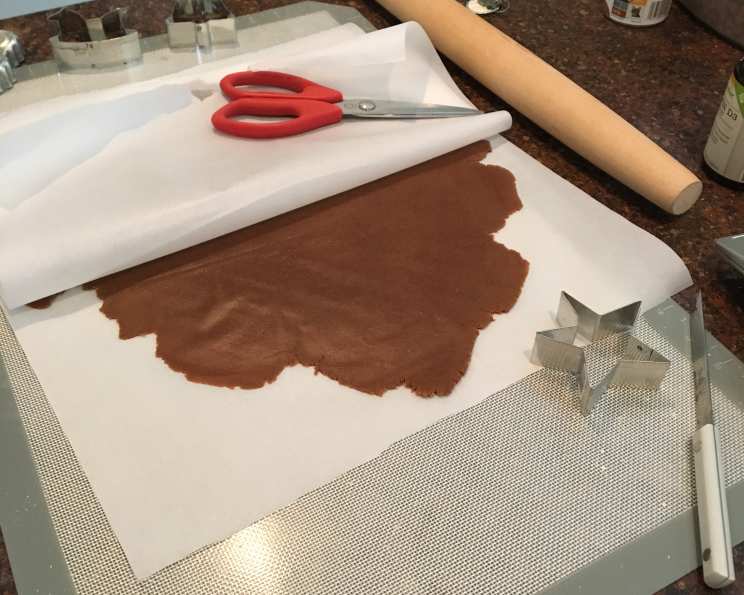
Lightly flour your pastry cloth or work surface. Take a portion of the chilled dough and roll it out thinly. The thinner you roll the dough, the crispier the cookies will be. Work with small portions of the dough at a time, keeping the rest chilled in the refrigerator to prevent it from becoming too soft.
-
Cut the dough into desired shapes using cookie cutters. Traditional pepparkakor shapes include hearts, stars, and gingerbread men, but feel free to get creative!
-
Place the cut-out cookies onto ungreased baking sheets or baking sheets lined with parchment paper.
-
Bake in the preheated oven for 6 to 8 minutes, or until the edges of the cookies are lightly golden brown. Keep a close eye on them, as they can burn quickly.
-
Remove the baking sheets from the oven and let the cookies cool on the baking sheets for a few minutes before transferring them to a wire rack to cool completely.
-
As an alternative method, the dough can be shaped into a roll, wrapped tightly in waxed paper or plastic wrap, and chilled thoroughly overnight or longer. When ready to bake, slice the roll into thin rounds and bake as directed above. This method is particularly useful if you prefer uniform, perfectly round cookies.
-
Store the cooled pepparkakor in an airtight container. The flavor of these cookies actually improves over time, so allowing them to “ripen” for a few days before eating is highly recommended.
Expert Tips & Tricks
-
Spice it up: Feel free to experiment with different spices. A pinch of ground cloves, cardamom, or white pepper can add a unique twist to the flavor profile.
-
Molasses matters: Use a good quality molasses for the best flavor. Dark molasses will result in a richer, more intense flavor, while light molasses will be milder.
-
Rolling evenly: For uniformly baked cookies, roll the dough to an even thickness. A rolling pin with adjustable rings can help with this.
-
Preventing sticking: If the dough is sticking to your rolling pin or work surface, dust with a little extra flour.
-
Decoration Station: After baking and cooling, decorate your Pepparkakor with royal icing. Add food coloring to create beautiful designs.
-
Refrigerating time: While one night is enough, allowing the dough to refrigerate for 2-3 days helps develop the flavor even further.
Serving & Storage Suggestions
Pepparkakor are traditionally served during the Christmas season in Sweden, often enjoyed with glögg (mulled wine) or coffee. They make a beautiful addition to a holiday cookie platter.
Store the cooled cookies in an airtight container at room temperature. They will keep for several weeks, and as mentioned, their flavor will actually improve over time. You can also freeze the baked cookies for longer storage. Simply thaw them at room temperature before serving.
Nutritional Information
Note: Nutritional information is an estimate and may vary based on specific ingredients and portion sizes.
| Nutrient | Amount per Serving (approx. 1 cookie) | % Daily Value |
|---|---|---|
| Calories | 29 kcal | 1% |
| Total Fat | 1g | 2% |
| Saturated Fat | 0.6g | 3% |
| Cholesterol | 4.6 mg | 2% |
| Sodium | 17 mg | 1% |
| Total Carbohydrate | 4.7 g | 2% |
| Dietary Fiber | 0.1 g | 0% |
| Sugars | 2 g | – |
| Protein | 0.4 g | 1% |
Variations & Substitutions
-
Gluten-Free Pepparkakor: Substitute the all-purpose flour with a gluten-free flour blend. You may need to add a binder, such as xanthan gum, to help hold the dough together.
-
Vegan Pepparkakor: Replace the butter with a vegan butter substitute and the egg with a flax egg (1 tablespoon of ground flaxseed mixed with 3 tablespoons of water, allowed to sit for 5 minutes).
-
Citrus Zest: Add the zest of an orange or lemon to the dough for a bright, citrusy note.
-
Spiced Icing: Enhance the flavor of the icing by adding a pinch of ground ginger or cinnamon.
FAQs (Frequently Asked Questions)
Q: Why do I need to chill the dough overnight?
A: Chilling the dough allows the gluten to relax, making it easier to roll out. It also helps to develop the flavors of the spices.
Q: Can I use a different type of sugar?
A: While granulated sugar is traditionally used, you could experiment with brown sugar for a slightly richer flavor.
Q: My cookies are burning around the edges. What can I do?
A: Make sure your oven temperature is accurate. You can also try baking the cookies on a higher rack or reducing the baking time slightly.
Q: Can I freeze the dough?
A: Yes, you can freeze the dough. Wrap it tightly in plastic wrap and store it in the freezer for up to 2 months. Thaw the dough in the refrigerator overnight before rolling out.
Q: How can I make the cookies more crispy?
A: Roll the dough as thinly as possible and bake for slightly longer, keeping a close eye on them to prevent burning.
Final Thoughts
Baking pepparkakor is more than just following a recipe; it’s a tradition, a connection to the past, and a way to create new memories. Don’t be afraid to experiment with different spices and shapes to make them your own. So, gather your ingredients, put on some festive music, and let the aroma of these delightful Swedish ginger cookies fill your home with holiday cheer. I hope you enjoy making and sharing these cookies as much as my family does!