
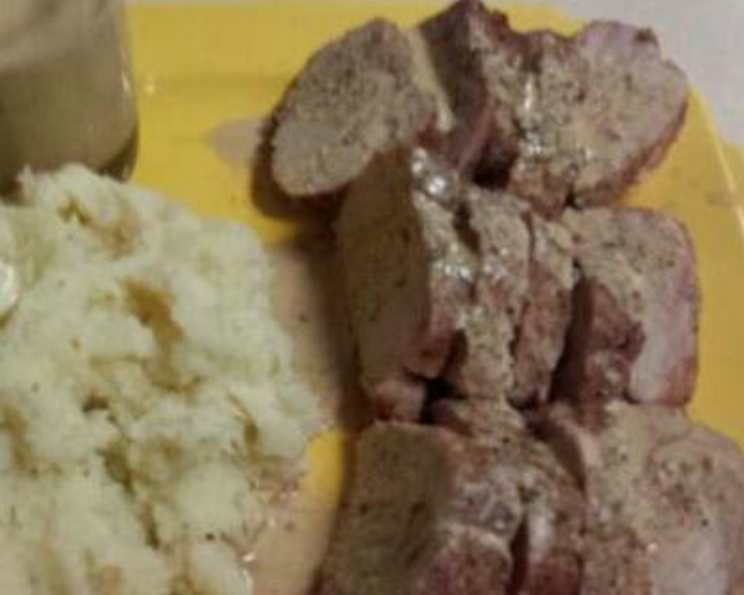
Peppered Pork Tenderloin: A Culinary Classic with a Kick
I can still remember the first time I tasted peppered pork. It was at a bustling family reunion, the air thick with laughter and the aroma of a dozen different dishes vying for attention. But then, I took a bite of this unassuming pork tenderloin, its surface speckled with black pepper, and all other flavors faded into the background. That subtle bite of pepper, balanced by the savory pork and a creamy, tangy sauce, was an experience I’ve chased ever since. This recipe, inspired by those flavors, aims to recreate that unforgettable moment.
Recipe Overview
- Prep Time: 10 minutes
- Cook Time: 30-40 minutes
- Total Time: 40-50 minutes
- Servings: 4-6
- Yield: 2 pork tenderloins
- Dietary Type: Gluten-Free (if using gluten-free chicken broth)
Ingredients
- 2 pork tenderloins (1 pound each)
- 1 tablespoon fresh coarse ground black pepper (more if needed)
- ½ cup white wine
- ½ cup chicken broth
- ½ cup low-fat sour cream
- 2 teaspoons Dijon mustard (coarse grain, country style, more to taste)
Equipment Needed
- Roasting pan
- Cutting board
- Wooden spoon
Instructions
-
Begin by preheating your oven to 350 degrees F (175 degrees C). This ensures the pork cooks evenly and retains its moisture.
-
Now, the star of the show: the pepper. Generously roll the pork tenderloins in the coarse ground black pepper. Ensure each tenderloin is evenly coated, pressing the pepper into the surface so it adheres well. Don’t be shy – the pepper is what gives this dish its distinctive flavor. If you like a real kick, add more pepper!
-
Place the peppered pork tenderloins in a roasting pan. It’s important to use a pan that will collect the drippings, as these will form the base of our delicious sauce.
-
Bake in the preheated oven for 30 to 40 minutes. The cooking time will depend on the thickness of your tenderloins and your oven’s calibration.
-
To check for doneness, use a meat thermometer. The internal temperature should reach 145°F (63°C) for medium-rare, 150°F (66°C) for medium, or 160°F (71°C) for well-done. Keep in mind that the internal temperature will continue to rise a few degrees after you remove the pork from the oven.
-
Once cooked, remove the pork from the oven and transfer it to a cutting board. Allow the pork to rest for at least 5 minutes before slicing. This allows the juices to redistribute, resulting in a more tender and flavorful final product.
-
Carefully drain the fat from the roasting pan, leaving any browned bits stuck to the bottom – these are crucial for the flavor of the sauce.
-
Pour the white wine into the roasting pan. Place the pan over high heat on your stovetop. Using a wooden spoon, scrape up any browned bits from the bottom of the pan. This process, known as deglazing, releases all those wonderful caramelized flavors that would otherwise be lost.
-
Add the chicken broth to the pan. Continue to cook over high heat until the liquid is reduced by about half. This will concentrate the flavors and create a richer, more intense sauce.
-
Remove the pan from the heat. Stir in the sour cream and Dijon mustard. Mix well until the sauce is smooth and creamy. Taste and adjust the seasoning if needed, adding more Dijon mustard for extra tang, or a pinch of salt and pepper if desired.
-
Slice the rested pork tenderloins into medallions and arrange them on a serving platter.
-
Generously top the sliced pork with the prepared sauce. Ensure each slice is coated in that delicious, peppery cream sauce. Serve immediately.
Expert Tips & Tricks
-
For an extra depth of flavor, marinate the pork tenderloins in the white wine and Dijon mustard for at least 30 minutes before coating them in pepper.
-
If you prefer a thicker sauce, you can whisk a teaspoon of cornstarch with a tablespoon of cold water and add it to the pan while the sauce is reducing.
-
Don’t overcrowd the roasting pan. If your tenderloins are very large, you may need to cook them in two batches to ensure even cooking.
-
If the sauce becomes too thick, add a splash of chicken broth or water to thin it out.
-
To prevent the pork from drying out, you can tent it with foil during the last 10 minutes of cooking.
Serving & Storage Suggestions
Serve the Peppered Pork Tenderloin immediately for the best flavor and texture. It pairs beautifully with roasted vegetables such as asparagus, Brussels sprouts, or potatoes. A simple green salad or a side of creamy mashed potatoes also makes a wonderful accompaniment.
Leftover Peppered Pork Tenderloin can be stored in an airtight container in the refrigerator for up to 3 days. Reheat gently in a skillet over low heat or in the microwave. Be careful not to overheat, as this can dry out the pork. It is not recommended to freeze the sauce, as the sour cream may separate upon thawing.
Nutritional Information
| Nutrient | Amount per Serving | % Daily Value |
|---|---|---|
| Calories | 757.7 kcal | N/A |
| Calories from Fat | 231 g | 31% |
| Total Fat | 25.8 g | 39% |
| Saturated Fat | 10.6 g | 53% |
| Cholesterol | 351.9 mg | 117% |
| Sodium | 534.5 mg | 22% |
| Total Carbohydrate | 6.8 g | 2% |
| Dietary Fiber | 1 g | 4% |
| Sugars | 0.9 g | 3% |
| Protein | 107.9 g | 215% |
Variations & Substitutions
-
Spice It Up: For a spicier kick, add a pinch of cayenne pepper or red pepper flakes to the pepper mixture.
-
Herby Twist: Incorporate dried herbs such as thyme, rosemary, or oregano into the pepper coating for a more complex flavor profile.
-
Creamy Alternative: If you don’t have sour cream on hand, you can substitute it with Greek yogurt or crème fraîche.
-
Wine Swap: If you don’t have white wine, you can use dry sherry or even apple cider vinegar in a pinch.
-
Mustard Variety: Experiment with different types of Dijon mustard, such as honey Dijon or whole grain Dijon, to find your favorite flavor combination.
FAQs (Frequently Asked Questions)
Q: Can I use pre-ground black pepper instead of coarse ground?
A: While you can, the coarse ground pepper provides a much better texture and flavor. The larger pieces release their oils more slowly, resulting in a more nuanced peppery bite.
Q: How do I prevent the pork from drying out during cooking?
A: Don’t overcook it! Use a meat thermometer to ensure you reach the desired internal temperature. Tenting the pork with foil during the last 10 minutes of cooking can also help retain moisture.
Q: Can I make the sauce ahead of time?
A: It’s best to make the sauce fresh, as the sour cream can sometimes separate when reheated. However, you can deglaze the pan with the wine and chicken broth ahead of time and then add the sour cream and mustard just before serving.
Q: What if I don’t have a roasting pan?
A: You can use a baking dish instead. Just make sure it has sides to catch the drippings for the sauce.
Q: Can I use a different cut of pork?
A: While this recipe is specifically designed for pork tenderloin, you could potentially use pork loin. However, pork loin is a leaner cut and may require a shorter cooking time to prevent it from drying out.
Final Thoughts
Peppered Pork Tenderloin is a dish that is both elegant and approachable, perfect for a special occasion or a simple weeknight meal. The combination of tender pork, bold pepper, and creamy sauce is a culinary trifecta that is sure to impress. So go ahead, give this recipe a try! I’m confident that you will find it as delightful and memorable as I do. And please, don’t hesitate to share your feedback. Bon appétit!