
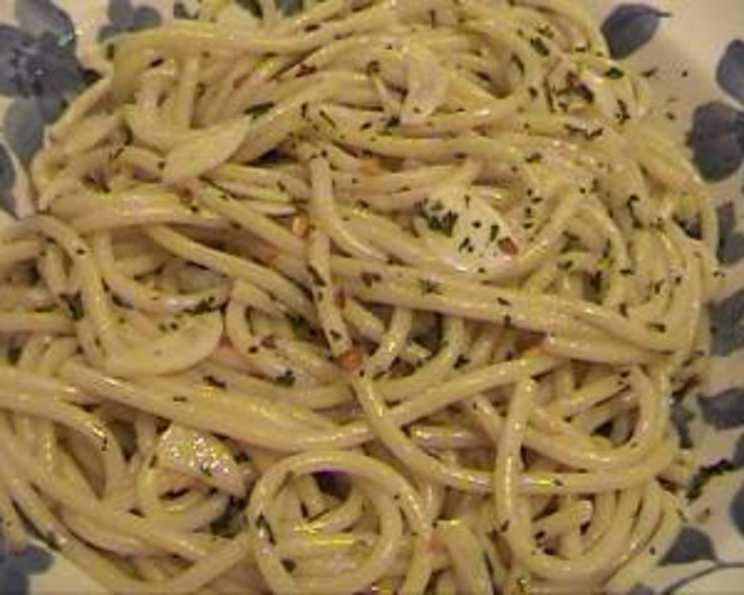
Pepperoncini Oil and Garlic Spaghetti: A Culinary Ode to Simple Pleasures
I can still remember the aroma that would waft through the air as we walked into that little Italian restaurant downtown. It was a mix of garlic, spice, and something subtly sweet that always made my mouth water. That aroma belonged to their signature dish, a seemingly simple pasta that packed an unbelievable punch: Pepperoncini Oil and Garlic Spaghetti. I was so smitten that I vowed to recreate it at home, embarking on a delicious journey of culinary exploration that ultimately led me to this recipe, which I’m thrilled to share with you.
Recipe Overview
- Prep Time: 5 minutes
- Cook Time: 35 minutes
- Total Time: 40 minutes
- Servings: 6-8
- Yield: 6-8 servings
- Dietary Type: Vegetarian
Ingredients
- 1 lb spaghetti
- 6-8 garlic cloves, sliced fine (NOT minced)
- ½ cup olive oil, (I use flavored)
- 2-3 tablespoons dried chilies (or red pepper flakes work fine)
- Salt, fresh ground pepper, herbs (to taste)
- 1 cup water, from the pasta pot
Equipment Needed
- Large pot
- Skillet
Instructions
-
Begin by bringing a large pot of water to a rolling boil over high heat. Once boiling, add the spaghetti. Feel free to add a drizzle of olive oil, a pinch of salt, and your favorite fresh herbs to the boiling water for added flavor as the pasta cooks.
-
Cook the spaghetti until it reaches your desired tenderness. Be sure to follow the package instructions for al dente perfection. Before draining, reserve 1 cup of the pasta water; this will be crucial for creating the sauce later. Drain the spaghetti and set aside.
-
While the pasta is cooking, heat a large skillet over medium-high heat. Once heated, pour in the olive oil. The choice of olive oil here can significantly impact the final flavor of the dish. I personally prefer using a high-quality flavored olive oil infused with herbs or garlic for an extra layer of depth.
-
Once the olive oil is hot, carefully add the sliced garlic. Be vigilant and swirl the garlic around the skillet frequently, cooking it until it becomes fragrant and lightly golden, about 3-4 minutes. Avoid letting the garlic burn, as this will impart a bitter taste to the dish.
-
Now, add the dried chilies (or red pepper flakes) to the skillet. The amount of chilies you use will determine the spiciness of the dish, so adjust accordingly to your heat preference.
-
Add the drained spaghetti to the skillet with the garlic and chilies. Toss gently to coat the spaghetti evenly with the olive oil mixture.
-
Begin adding the reserved pasta water to the skillet, a little bit at a time, about ¼ cup at a time. The pasta water helps to create a light, emulsified sauce that clings to the spaghetti. Toss continuously to incorporate the water into the sauce, adding more until the pasta is no longer dry but isn’t swimming in liquid either.
-
Season the spaghetti with salt and freshly ground pepper to taste. You can also add any additional herbs you like at this stage, such as fresh parsley, basil, or oregano.
-
Toss everything together thoroughly to ensure all the flavors are well combined.
-
Serve immediately and enjoy!
Expert Tips & Tricks
- Garlic is King (But Don’t Let Him Burn!): The garlic is the heart of this dish. It’s crucial to slice it thinly and cook it gently in the olive oil until it’s fragrant and golden brown, but not burnt. Burnt garlic will ruin the whole dish.
- Pasta Water Magic: Don’t underestimate the power of pasta water. The starch in the pasta water helps to bind the olive oil, garlic, and chilies together, creating a luscious sauce.
- Spice It Up (Or Down): The amount of dried chilies (or red pepper flakes) is entirely up to you. Start with a small amount and add more to taste, depending on your spice tolerance. For a milder flavor, remove the seeds from the chilies before adding them.
- Flavor Boost: For an extra layer of flavor, consider adding a squeeze of fresh lemon juice or a splash of white wine to the skillet along with the pasta water.
- Pasta Perfection: Ensure your pasta is cooked al dente, which means “to the tooth” in Italian. It should be firm and slightly resistant when you bite into it. This will prevent it from becoming mushy when you toss it with the sauce.
Serving & Storage Suggestions
Serve the Pepperoncini Oil and Garlic Spaghetti immediately while it’s hot and the flavors are at their peak. Garnish with freshly chopped herbs like parsley or basil for a pop of color and freshness. A sprinkle of grated Parmesan cheese is also a delicious addition, although it will render the dish no longer vegetarian.
Leftovers can be stored in an airtight container in the refrigerator for up to 2 days. To reheat, gently warm the spaghetti in a skillet over medium heat, adding a splash of olive oil or pasta water if needed to prevent it from drying out. I don’t recommend freezing this dish, as the pasta can become mushy upon thawing.
Nutritional Information
| Nutrient | Amount per Serving | % Daily Value |
|---|---|---|
| Calories | 448 kcal | N/A |
| Calories from Fat | 172 g | 39% |
| Total Fat | 19.2 g | 29% |
| Saturated Fat | 2.7 g | 13% |
| Cholesterol | 0 mg | 0% |
| Sodium | 6.2 mg | 0% |
| Total Carbohydrate | 58.3 g | 19% |
| Dietary Fiber | 2.7 g | 10% |
| Sugars | 1.7 g | 6% |
| Protein | 10.2 g | 20% |
Note: Nutritional information is an estimate and may vary based on specific ingredients and preparation methods.
Variations & Substitutions
- Gluten-Free: Use your favorite gluten-free spaghetti for a gluten-free version of this dish.
- Vegan: This recipe is naturally vegetarian. To make it vegan, simply omit the Parmesan cheese garnish.
- Protein Boost: Add cooked shrimp, grilled chicken, or tofu to the spaghetti for a protein-rich meal.
- Vegetable Power: Toss in some sautéed vegetables like bell peppers, zucchini, or mushrooms for added nutrients and flavor.
- Spice Level Adjustment: For a milder flavour, use pepperoncini peppers, rather than dried chilies.
- Garlic Infusion Variation: Use roasted garlic instead of sliced garlic for a deeper, sweeter garlic flavour.
FAQs (Frequently Asked Questions)
Q: Can I use minced garlic instead of sliced garlic?
A: While you can use minced garlic, sliced garlic is preferred for this recipe because it cooks more evenly and releases its flavor more gradually. Minced garlic tends to burn more easily.
Q: Can I use fresh chilies instead of dried chilies?
A: Yes, you can use fresh chilies. Just be sure to adjust the amount to your preference, as fresh chilies tend to be spicier than dried chilies. Remove the seeds for less heat.
Q: What if I don’t have pasta water?
A: If you forget to reserve pasta water, you can use regular water or chicken broth as a substitute, but the sauce may not be as creamy.
Q: Can I make this dish ahead of time?
A: While this dish is best served immediately, you can prepare the garlic and chili oil ahead of time and store it in the refrigerator until ready to use.
Q: What wine pairs well with this pasta?
A: A crisp, dry white wine like Pinot Grigio or Sauvignon Blanc would pair nicely with the flavors of this pasta.
Final Thoughts
This Pepperoncini Oil and Garlic Spaghetti is a testament to the fact that simple ingredients, when combined with care and attention, can create truly extraordinary dishes. It’s a dish that’s perfect for a weeknight dinner, a casual gathering with friends, or even a romantic date night. I encourage you to try this recipe and experience the magic for yourself. Don’t be afraid to experiment with the ingredients and make it your own. I’d love to hear your feedback and any variations you come up with. Enjoy!