
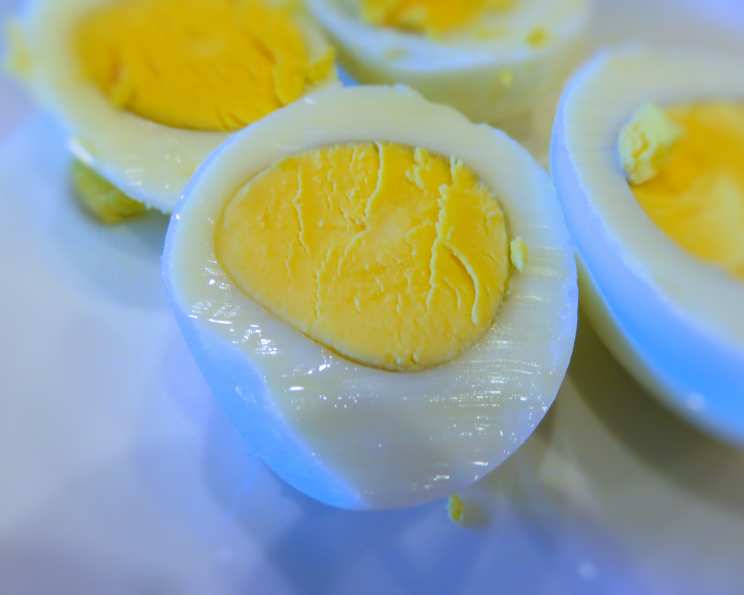
The Foolproof Guide to Perfect Hard-Boiled Eggs (And Easy Peeling!)
I remember being a kid, helping my grandmother make deviled eggs for every holiday gathering. The anticipation of those creamy, tangy, paprika-dusted delights was immense, but the process of peeling the eggs? A complete nightmare! Shell fragments clinging stubbornly to the whites, leaving them pockmarked and uneven. It felt like a culinary crime scene every time. Little did I know, the secret to perfectly smooth, easy-to-peel hard-boiled eggs was within reach. No more mangled eggs – just pure, unadulterated eggy goodness!
Recipe Overview
- Prep Time: 2 minutes
- Cook Time: 12 minutes
- Total Time: 15 minutes
- Servings: Varies (adjust ingredients accordingly)
- Yield: Varies (adjust ingredients accordingly)
- Dietary Type: Gluten-Free, Dairy-Free
Ingredients
- Eggs
- 1 teaspoon Baking Soda
- Water
Equipment Needed
- Large Pot
- Slotted Spoon
- Bowl with Ice Water
Instructions
-
Place the eggs in a large pot.
-
Add 1 teaspoon baking soda to the pot.
-
Cover the eggs with cold water ensuring the water level is about 2 inches above the eggs.
-
Bring the water to a rolling boil over high heat.
-
Once the water reaches a rolling boil, reduce the heat to low so it’s a slow boil, and let the eggs cook for 12 minutes.
-
After 12 minutes, remove the pot from the heat.
-
Immediately stop the cooking process by transferring the eggs to a bowl filled with ice water. This is crucial!
-
Let the eggs cool in the ice water until they are cool enough to handle comfortably.
-
Once cooled, peel the eggs.
-
To peel, gently tap the egg on a hard surface to create cracks all over the shell.
-
Begin peeling at the larger end of the egg, where an air pocket usually exists. Work your way around, removing the shell carefully.
Expert Tips & Tricks
- Baking Soda’s Magic: The addition of baking soda raises the pH level of the water, which helps to loosen the bond between the egg white and the shell membrane. This is the real key to easy peeling! Don’t skip it.
- Ice Bath is Essential: Shocking the cooked eggs in an ice bath not only stops the cooking process and prevents overcooking (and that dreaded green ring around the yolk!), but it also causes the egg white to contract slightly, further separating it from the shell.
- Don’t Overcrowd the Pot: Use a pot large enough to hold the eggs in a single layer. Overcrowding can lead to uneven cooking.
- Age Matters (Sometimes): While the baking soda trick makes a huge difference, slightly older eggs (a week or two old) tend to peel more easily than super-fresh eggs. Fresh eggs have a lower pH in their whites, which makes them stick more to the shell.
- Gentle Cracking: Don’t bash the egg! A gentle tapping and rolling motion to create uniform cracks is all you need.
- Run Under Water: Peeling the eggs under a gentle stream of cold running water can help to dislodge any stubborn shell fragments.
- For the “Blow” Method (Use Caution): As mentioned in the original video (and with a strong caveat about sanitation), you can try the “blow” method. Tap the end of the egg, remove enough shell so the egg can exit. Then you can literally blow the egg out of its shell into your hand. For sanitary reasons, I recommend just removing the shell with your fingers.
Serving & Storage Suggestions
Hard-boiled eggs are incredibly versatile! Serve them:
- As a quick and healthy snack: Sprinkle with a little salt and pepper.
- Deviled Eggs: A classic appetizer for parties and gatherings.
- Egg Salad Sandwiches: Perfect for lunch or a picnic.
- Salad Topping: Add protein to your salads.
- Pickled Eggs: A tangy and flavorful treat.
- Scotch Eggs: Breaded and deep-fried for a decadent snack.
Storage:
- Unpeeled Hard-Boiled Eggs: Store in the refrigerator for up to one week.
- Peeled Hard-Boiled Eggs: Store in the refrigerator in an airtight container filled with water for up to 5 days. Changing the water daily will help keep them fresh.
- Freezing: Freezing hard-boiled eggs is not recommended. The egg whites become rubbery and unpleasant upon thawing.
Nutritional Information
| Nutrient | Amount per Egg (approx.) | % Daily Value (approx.) |
|---|---|---|
| Calories | 78 kcal | 4% |
| Total Fat | 5g | 6% |
| Saturated Fat | 2g | 10% |
| Cholesterol | 186mg | 62% |
| Sodium | 62mg | 3% |
| Total Carbohydrate | 1g | 0% |
| Dietary Fiber | 0g | 0% |
| Sugars | 0g | 0% |
| Protein | 6g | 12% |
Note: Nutritional information is approximate and can vary based on egg size and other factors.
Variations & Substitutions
- Spice It Up: Add a pinch of cayenne pepper or a dash of hot sauce to the water for a subtle kick.
- Herb Infusion: Add fresh herbs like thyme or rosemary to the water for a more aromatic egg.
- Vinegar for Peeling: Some people swear by adding a tablespoon of vinegar to the water instead of (or in addition to) baking soda. This is said to help loosen the shell.
- Duck Eggs: Substitute chicken eggs with duck eggs for a richer, more flavorful hard-boiled egg. Duck eggs have a higher fat content and a larger yolk.
FAQs (Frequently Asked Questions)
Q: Why add baking soda to the water?
A: Baking soda raises the pH of the water, making the egg whites less likely to stick to the shell, resulting in easier peeling.
Q: How long should I cook the eggs for a perfectly cooked yolk?
A: 12 minutes at a slow boil is the sweet spot for a yolk that is firm but not dry or chalky. Adjust cooking time slightly based on your altitude and egg size.
Q: Is it really necessary to put the eggs in an ice bath?
A: Yes! The ice bath stops the cooking process immediately and prevents overcooking. It also makes the eggs easier to peel.
Q: What if my eggs still stick to the shell even after following these steps?
A: Make sure you’re using enough baking soda (1 teaspoon per pot). Also, consider that very fresh eggs are naturally harder to peel. If all else fails, try peeling under running water.
Q: Can I use this method with brown eggs?
A: Yes, this method works equally well with both brown and white eggs. The color of the shell does not affect the peeling process.
Final Thoughts
Mastering the art of hard-boiled eggs is a fundamental culinary skill, and with this foolproof method, you’ll never have to struggle with stubborn shells again. These perfectly cooked, easy-to-peel eggs are a blank canvas for countless culinary creations. So go ahead, whip up a batch, get creative in the kitchen, and share your delicious creations with friends and family. Don’t forget to share your experiences and any variations you try! Happy cooking!