
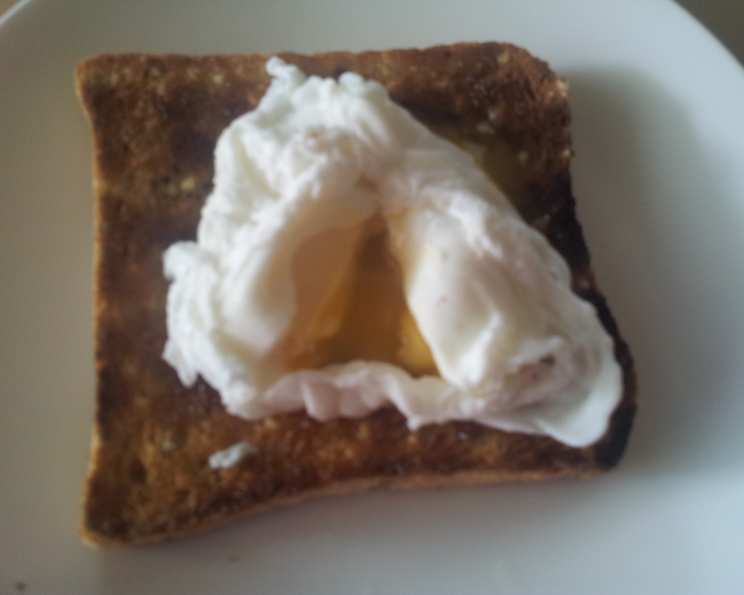
Perfect Microwave Poached Egg: A Chef’s Secret for Speedy Mornings
My grandmother, bless her soul, was a stickler for a proper poached egg. Hours spent hovering over simmering water, swirling with a practiced hand, all for that single, perfect orb of creamy yolk and delicately set white. While I admired her dedication, the chaos of a busy kitchen (and a hungry family!) often demanded a quicker solution. That’s when I discovered this brilliant method – a microwave poached egg. It seemed almost too good to be true, but with a few tweaks, I perfected a method that delivers a consistently beautiful poached egg in under a minute! It’s a game-changer for busy mornings and has become a staple in my kitchen.
Recipe Overview
- Prep Time: 1 minute
- Cook Time: 45 seconds
- Total Time: 1 minute 45 seconds
- Servings: 1
- Yield: 1 egg
- Dietary Type: High-Protein
Ingredients
- 1 large egg
- Approximately 2 cups boiling water
- 1 teaspoon white vinegar
Equipment Needed
- Microwave-safe bowl or ramekin
- Plastic wrap or microwave-safe plate
- Soup spoon
- Paper towel
Instructions
-
Begin by bringing water to a boil. You can do this in a kettle or in a microwave-safe container in the microwave. Once boiling, add 1 teaspoon of white vinegar to the water. The vinegar helps the egg whites coagulate more quickly, resulting in a neater poached egg.
-
Carefully fill a microwave-safe bowl or ramekin approximately 3/4 of the way with the boiling water. Ensure the bowl is deep enough to fully submerge the egg.
-
Gently crack 1 large egg into the boiling water. Be careful not to break the yolk. The closer you can get the egg to the water’s surface, the better, to prevent it from spreading too much.
-
Cover the bowl with plastic wrap or a microwave-safe plate. If using plastic wrap, ensure it’s microwave-safe and create a small vent to allow steam to escape. This prevents the egg from exploding in the microwave.
-
Microwave on high for 30 seconds. Cooking times can vary slightly depending on the wattage of your microwave.
-
Carefully remove the bowl from the microwave. Using a soup spoon, gently turn the egg over. This step ensures that the egg cooks evenly on both sides.
-
Cover the bowl again with the plastic wrap or plate and microwave for an additional 15 seconds.
-
Remove the bowl immediately from the microwave. Using a large spoon, carefully remove the poached egg from the water.
-
Place the poached egg on a paper towel to drain any excess water. This will prevent your toast or other serving vessel from becoming soggy.
-
Serve immediately and enjoy!
Expert Tips & Tricks
- Microwave Wattage Matters: The cooking times provided are based on a standard 1000-watt microwave. If your microwave has a lower wattage, you may need to increase the cooking time slightly. Start with the recommended time and add a few seconds at a time until the egg is cooked to your liking.
- Egg Freshness: Fresher eggs tend to hold their shape better when poached. Older eggs may spread more in the water.
- Perfecting the Yolk: If you prefer a firmer yolk, microwave for a few seconds longer during the second cooking interval. For a runnier yolk, reduce the time by a few seconds. Experiment to find your perfect consistency.
- Don’t Overcrowd: Only poach one egg at a time to ensure even cooking.
- Vinegar Alternatives: While white vinegar is the standard, you can also use apple cider vinegar or lemon juice as alternatives. These will add a subtle flavor to the egg.
- Preventing Explosions: Always vent the plastic wrap or use a microwave-safe plate to cover the bowl. This allows steam to escape and prevents the egg from exploding.
- Water Temperature is Key: Using boiling water is crucial for the egg to cook properly and evenly in the microwave. Do not use tap water.
Serving & Storage Suggestions
A perfectly poached egg is incredibly versatile. Serve it atop toasted English muffins with hollandaise sauce for a classic Eggs Benedict. Alternatively, place it on avocado toast, a bed of spinach, or alongside roasted vegetables for a healthy and delicious meal.
Leftover poached eggs are best consumed immediately. However, if you must store them, carefully transfer them to a container filled with cold water and refrigerate for up to 24 hours. To reheat, gently warm the egg in warm (not hot) water for a few minutes until heated through. Be very gentle, as reheating can easily overcook the yolk. I don’t recommend freezing poached eggs, as the texture will be significantly altered.
Nutritional Information
| Nutrient | Amount per Serving | % Daily Value |
|---|---|---|
| Calories | 72.5 kcal | N/A |
| Calories from Fat | 42 g | 59% |
| Total Fat | 4.8 g | 7% |
| Saturated Fat | 1.6 g | 7% |
| Cholesterol | 186 mg | 62% |
| Sodium | 85.5 mg | 3% |
| Total Carbohydrate | 0.4 g | 0% |
| Dietary Fiber | 0 g | 0% |
| Sugars | 0.2 g | 0% |
| Protein | 6.3 g | 12% |
Note: Nutritional information is an estimate and may vary based on specific ingredients and portion sizes.
Variations & Substitutions
- Spiced Poached Egg: Add a pinch of red pepper flakes or a dash of hot sauce to the water for a spicy kick.
- Herbed Poached Egg: Add fresh herbs like thyme, rosemary, or chives to the water for a fragrant and flavorful egg.
- Vinegar-Free: If you prefer not to use vinegar, you can omit it entirely. However, the egg white may spread more during cooking.
- Different Serving Styles: Try serving atop a burger, in a salad, or added to your favorite soup.
FAQs (Frequently Asked Questions)
Q: Why is vinegar added to the water?
A: The vinegar helps the egg whites coagulate more quickly, preventing them from spreading too much in the water and resulting in a more compact and aesthetically pleasing poached egg.
Q: Can I use tap water instead of boiling water?
A: No, boiling water is essential for this method to work. Tap water will not heat the egg quickly enough, resulting in an unevenly cooked egg.
Q: How do I prevent the egg from exploding in the microwave?
A: Always vent the plastic wrap or use a microwave-safe plate to cover the bowl. This allows steam to escape and prevents the egg from exploding due to pressure buildup.
Q: My egg white is still runny after the recommended cooking time. What should I do?
A: Microwave for an additional 5-10 seconds until the egg white is fully cooked. Cooking times can vary depending on the wattage of your microwave.
Q: Can I make multiple poached eggs at once using this method?
A: It is best to poach one egg at a time to ensure even cooking. Attempting to cook multiple eggs simultaneously may result in unevenly cooked or undercooked eggs.
Final Thoughts
So, ditch the complicated poaching methods and embrace the speed and simplicity of the microwave! This technique delivers a perfectly poached egg in under a minute, making it the ideal solution for busy mornings or a quick and healthy meal. Don’t be afraid to experiment with cooking times and flavor variations to create your own signature poached egg masterpiece. I encourage you to try this recipe and share your results. Pair it with your favorite sides, from crispy bacon to creamy avocado, and elevate your breakfast game. Happy cooking!