
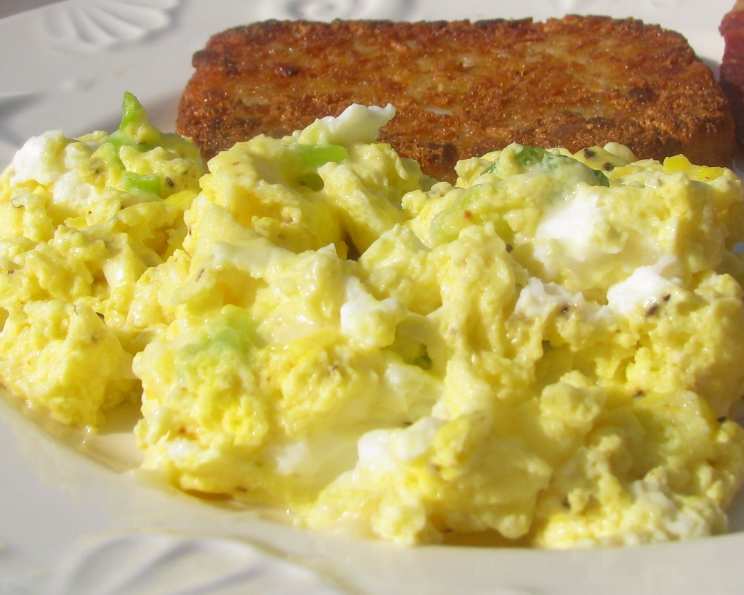
Perfect Microwaved Scrambled Eggs and Cheese for One
The memory is so vivid: a harried weekday morning, the clock screaming at me, and a grumbling stomach. I reached for the carton of eggs, a splash of milk, and a desperate hope for something resembling breakfast before rushing out the door. The microwave became my unlikely hero that day, churning out a surprisingly fluffy and satisfying scramble in mere minutes. It wasn’t gourmet, but it was warm, cheesy, and infinitely better than skipping breakfast altogether. This simple method has been my back-pocket secret ever since, a testament to the fact that deliciousness doesn’t always demand time or elaborate techniques.
Recipe Overview
- Prep Time: 2 minutes
- Cook Time: 2 minutes
- Total Time: 4 minutes
- Servings: 1
- Yield: 1 serving
- Dietary Type: Vegetarian
Ingredients
- 2 large eggs
- 2 tablespoons milk
- 1/8 teaspoon cayenne pepper
- 1/4 teaspoon salt
- 1 scallion, thinly sliced (green onion)
- 2 tablespoons cheddar cheese, grated
- 1 cherry tomato, quartered (optional)
- Salt and pepper to taste
Equipment Needed
- Large (10oz) microwave-safe custard cup or ramekin
- Fork
- Paper towel
Instructions
-
In a large (10oz) microwave-safe custard cup or ramekin, combine the eggs, milk, cayenne pepper, and salt. Ensure the ramekin is large enough to prevent overflow during cooking.
-
Stir in the thinly sliced scallion using a fork. Distribute the scallions evenly throughout the egg mixture.
-
Microwave (uncovered) on high for 45 seconds. Remember that microwave wattages vary, so this time might need slight adjustments depending on your microwave.
-
Stir the eggs vigorously with a fork after the initial 45-second blast. This helps break up any cooked portions and ensures even cooking throughout.
-
Continue cooking until the eggs are almost set, about 45 seconds more. Keep a close eye on the eggs during this second cooking interval, as they can quickly become overcooked and rubbery.
-
Remove the ramekin from the microwave. Be careful, as the dish will be hot.
-
With a clean fork, stir in the grated cheddar cheese. Make sure the cheese is evenly distributed throughout the hot eggs, allowing it to begin melting.
-
Cover the ramekin with a paper towel. This helps trap the heat and allows the cheese to melt fully without drying out the eggs.
-
Let the covered eggs stand for about 1 minute. This resting period is crucial for the cheese to melt completely and the eggs to fully set. The residual heat will finish the cooking process.
-
Top with the quartered cherry tomato (if using) and season with salt and pepper to taste. Adjust the seasoning to your preference, remembering that the cheese already adds some saltiness.
Expert Tips & Tricks
- Don’t overcook! Microwaves can be tricky, and eggs can go from perfectly cooked to rubbery in seconds. Err on the side of slightly undercooked, as the residual heat will continue to cook them.
- Whisk like a pro: A well-whisked egg mixture incorporates air, resulting in a fluffier scramble. Don’t be afraid to whisk vigorously for a good 30 seconds before microwaving.
- Spice it up: Feel free to experiment with different spices. A pinch of garlic powder, onion powder, or smoked paprika can add depth of flavor.
- Cheese variations: Cheddar is classic, but don’t limit yourself! Try Monterey Jack, pepper jack, or even a sprinkle of crumbled feta for a different flavor profile.
- Vegetable additions: Besides scallions and tomatoes, consider adding finely chopped bell peppers, spinach, or mushrooms for extra nutrients and flavor. Add these in step 2 along with the scallions.
- Pre-shredded cheese: Pre-shredded cheese often contains cellulose to prevent clumping. While convenient, it may not melt as smoothly as cheese you shred yourself. For best results, shred your own cheese.
- Microwave calibration: As the original recipe noted, microwave wattages vary greatly. If your eggs are consistently overcooked, try reducing the cooking time by 5-10 seconds per interval. If they’re undercooked, add a few seconds.
- Preventing splatters: To minimize splattering in the microwave, you can use a microwave-safe lid or a larger plate placed on top of the ramekin. However, be sure to leave a small vent for steam to escape.
Serving & Storage Suggestions
Serve your microwaved scrambled eggs immediately for the best texture and flavor. They are delicious on their own or as part of a larger breakfast spread. Consider serving them with toast, avocado slices, or a side of fruit.
Leftovers can be stored in an airtight container in the refrigerator for up to 24 hours. However, be aware that the texture will change upon reheating, becoming slightly rubbery. To reheat, microwave in 15-second intervals, stirring in between, until heated through. Adding a splash of milk or water during reheating can help restore some moisture.
Freezing is not recommended, as the texture will deteriorate significantly.
Nutritional Information
| Nutrient | Amount per Serving | % Daily Value |
|---|---|---|
| Calories | 225 kcal | – |
| Calories from Fat | 138 g | 61% |
| Total Fat | 15.4 g | 23% |
| Saturated Fat | 6.8 g | 34% |
| Cholesterol | 391.1 mg | 130% |
| Sodium | 828.5 mg | 34% |
| Total Carbohydrate | 3.5 g | 1% |
| Dietary Fiber | 0.5 g | 1% |
| Sugars | 0.8 g | – |
| Protein | 17.4 g | 34% |
Note: Nutritional information is an estimate and may vary based on specific ingredients and portion sizes.
Variations & Substitutions
- Dairy-Free: Substitute the milk with almond milk, soy milk, or oat milk. Use a dairy-free cheese alternative or omit the cheese altogether. Nutritional yeast can be added for a cheesy flavor.
- Spicy Scramble: Increase the amount of cayenne pepper for a spicier kick, or add a dash of hot sauce to the egg mixture before cooking.
- Mediterranean Twist: Add crumbled feta cheese, chopped Kalamata olives, and sun-dried tomatoes for a Mediterranean-inspired scramble.
- Mexican Fiesta: Incorporate salsa, black beans, and avocado for a south-of-the-border flavor.
- Herbaceous Delight: Mix in fresh herbs like chopped chives, parsley, or dill for a fragrant and flavorful scramble.
- Protein Powerhouse: Add cooked ham, bacon, sausage, or tofu crumbles for an extra boost of protein.
- Egg Whites Only: For a lower-fat option, use egg whites instead of whole eggs. The texture will be slightly different, but still delicious.
- No Cheese Please: Simply omit the cheese for a classic scrambled egg experience.
FAQs (Frequently Asked Questions)
Q: Can I use a smaller ramekin?
A: It’s not recommended, as the eggs may overflow during cooking. A 10oz ramekin provides enough space for the eggs to expand without making a mess.
Q: Why do my eggs sometimes come out rubbery?
A: Overcooking is the main culprit. Microwaves cook quickly, so reduce the cooking time slightly and check for doneness frequently.
Q: Can I make this recipe ahead of time?
A: While technically possible, the texture will suffer. Microwaved scrambled eggs are best enjoyed immediately after cooking.
Q: Is it safe to cook eggs in the microwave?
A: Yes, as long as you follow the instructions and cook the eggs thoroughly. Ensure the internal temperature reaches 160°F (71°C).
Q: Can I use frozen vegetables in this recipe?
A: Yes, but thaw them slightly before adding them to the egg mixture. This will prevent them from cooling down the eggs and affecting the cooking time.
Final Thoughts
So there you have it: a foolproof recipe for perfect microwaved scrambled eggs and cheese, ready in minutes. It’s a simple pleasure, a quick fix, and a reminder that even the busiest mornings can start with a warm and satisfying bite. Don’t hesitate to experiment with different flavor combinations and make this recipe your own. And most importantly, don’t be afraid to share your creations and feedback – cooking is always more fun when it’s a shared experience! Now go forth and scramble!