
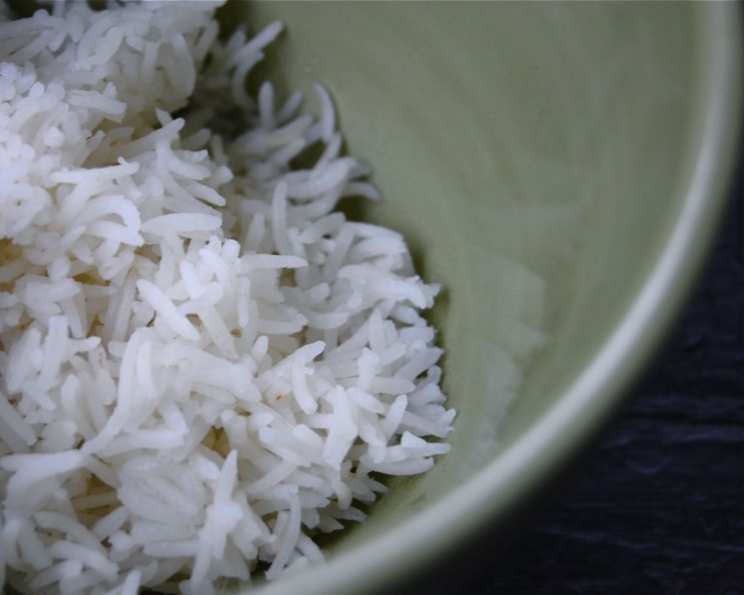
Perfect No-Fail Basmati Rice: A Chef’s Secret
The scent of basmati rice transports me back to my grandmother’s kitchen. She always made a huge pot of it, the grains fluffy and separate, ready to soak up the flavors of her amazing curries and stews. It seemed like magic then, and for years I struggled to replicate her results. Sticky, mushy rice was a recurring theme in my early cooking attempts. But after much trial and error, I finally cracked the code to consistently perfect basmati, and now I’m excited to share my simple, no-fail method with you. This method delivers rice that’s light, fragrant, and ready for anything, from weeknight dinners to elegant feasts.
Recipe Overview
- Prep Time: 5 minutes
- Cook Time: 11 minutes
- Total Time: 16 minutes
- Servings: 4
- Yield: Approximately 4 cups cooked rice
- Dietary Type: Vegan, Gluten-Free, Dairy-Free
Ingredients
- 1 cup basmati rice
- 1 1/4 cups water
Equipment Needed
- Saucepan with clear glass lid
Instructions
- Begin by rinsing the basmati rice thoroughly. Place the rice in a bowl and cover it with cold water. Gently swirl the rice with your hand, then drain the water. Repeat this process until the water runs clear. This step is crucial for removing excess starch, which prevents the rice from becoming sticky.
- Drain the rinsed rice well using a fine-mesh sieve. Ensure as much excess water as possible is removed.
- In the saucepan, combine the drained basmati rice and water.
- Cover the saucepan with the clear glass lid. This is important because you should not lift the lid during the cooking process.
- Place the saucepan over low-medium heat. Cook until the water looks evaporated and small steam holes appear on the surface of the rice. This usually takes about 6-8 minutes, but keep a close eye on it.
- Once the water appears to be gone and you see steam holes, turn off the heat completely.
- Here’s the crucial step: Do not lift the lid! Let the rice sit, undisturbed, for exactly 5 minutes. This allows the residual steam to evenly cook the rice and ensure each grain is perfectly tender.
- After the 5-minute rest, gently fluff the rice with a fork. Be careful not to overwork the rice, as this can cause it to become mushy. The result should be perfectly cooked, fluffy, and separate grains of basmati rice.
Expert Tips & Tricks
- Rinsing is key: Don’t skip the rinsing step! It makes a huge difference in the final texture.
- Use good quality rice: The quality of your basmati rice will directly impact the flavor and texture. Opt for a reputable brand known for its long, slender grains.
- Adjust water if needed: While 1 1/4 cups of water usually works perfectly, you may need to adjust slightly depending on your stove and altitude. If the rice is still slightly undercooked after the resting period, add a tablespoon or two of water, cover, and let it sit for another 5 minutes.
- Don’t peek! I know it’s tempting, but resist the urge to lift the lid during cooking. Peeking releases steam and can disrupt the cooking process.
- For extra flavor: Add a pinch of salt to the water before cooking, or a bay leaf for a subtle aromatic touch.
- Toasting the rice: Before adding the water, you can toast the dry rice in the saucepan over medium heat for a few minutes, stirring constantly. This enhances the nutty flavor of the rice.
Serving & Storage Suggestions
Serve your perfect basmati rice as a side dish to curries, stir-fries, grilled meats, or roasted vegetables. It’s also excellent in rice bowls or as a base for salads.
To store leftover rice, allow it to cool completely, then transfer it to an airtight container and refrigerate for up to 4 days. Reheat in the microwave with a splash of water or in a saucepan over low heat, stirring occasionally.
Cooked rice can also be frozen for up to 2 months. Spread the cooled rice in a single layer on a baking sheet, freeze until solid, then transfer to a freezer bag. Reheat from frozen in the microwave or in a saucepan with a little water.
Nutritional Information
| Nutrient | Amount per Serving | % Daily Value |
|---|---|---|
| Calories | 171 kcal | N/A |
| Total Fat | 1.4g | 2% |
| Saturated Fat | 0.3g | 1% |
| Cholesterol | 0mg | 0% |
| Sodium | 5.5mg | 0% |
| Total Carbohydrate | 35.7g | 11% |
| Dietary Fiber | 1.6g | 6% |
| Sugars | 0.4g | N/A |
| Protein | 3.7g | 7% |
Note: Nutritional information is an estimate and may vary based on specific ingredients and preparation methods.
Variations & Substitutions
- Coconut Rice: Replace the water with coconut milk for a richer, sweeter flavor.
- Saffron Rice: Add a pinch of saffron threads to the water for a beautiful golden color and delicate aroma. Soak the saffron in a tablespoon of warm water for 10 minutes to extract the color before adding it to the rice.
- Herb Rice: Stir in chopped fresh herbs like parsley, cilantro, or dill after the rice is cooked.
- Lemon Rice: Add lemon zest and a squeeze of lemon juice to the rice after cooking for a bright, citrusy flavor.
- Brown Basmati Rice: This recipe works equally well with brown basmati rice, but you will need to increase the cooking time and the amount of water. Use 2 cups of water for every 1 cup of brown basmati rice, and increase the cooking time to approximately 45 minutes, or until the water is absorbed and the rice is tender.
FAQs (Frequently Asked Questions)
Q: Why is it so important to rinse the rice?
A: Rinsing removes excess starch from the surface of the grains, preventing them from sticking together during cooking and resulting in fluffier rice.
Q: Can I use a different type of rice?
A: While this method is specifically designed for basmati rice, it can be adapted for other long-grain rice varieties. However, cooking times and water ratios may need to be adjusted.
Q: What if my rice is still undercooked after the resting period?
A: Add a tablespoon or two of water to the saucepan, cover, and let it sit for another 5 minutes. The residual steam will help to finish cooking the rice.
Q: Can I make this recipe in a rice cooker?
A: Yes, you can use a rice cooker. Follow the manufacturer’s instructions for basmati rice, using the same ratio of rice to water.
Q: What if I accidentally lift the lid while the rice is cooking?
A: Don’t panic! Quickly replace the lid and add a tablespoon of water to the saucepan. Extend the cooking time by a few minutes to compensate for the lost steam.
Final Thoughts
Mastering the art of cooking perfect basmati rice is a skill that will elevate countless meals. This simple, no-fail method guarantees fluffy, fragrant rice every time. Don’t be intimidated – just follow the steps carefully and enjoy the delicious results. I encourage you to try this recipe and share your feedback. Serve it alongside your favorite curry, tagine, or grilled vegetables for a truly satisfying meal. Happy cooking!