
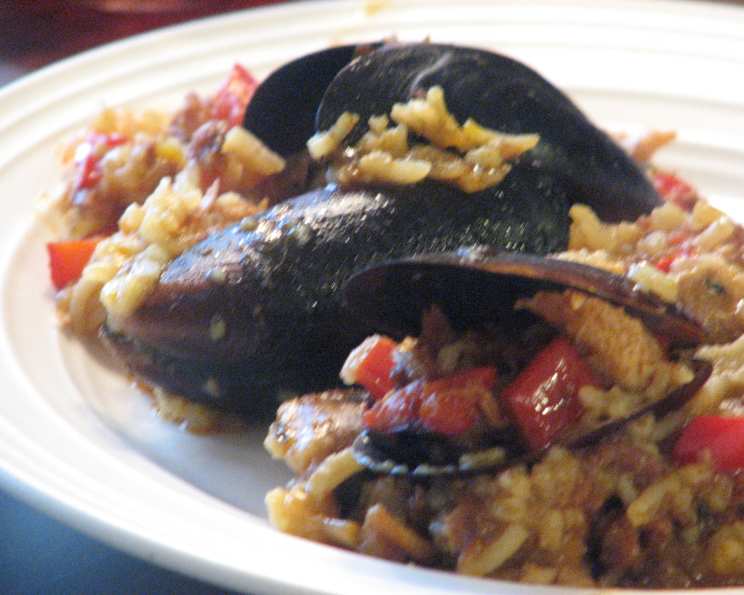
Perfect Paella: A Culinary Journey to Spain
The scent of saffron, the sizzle of chorizo, the briny kiss of the sea – paella. It’s more than just a dish; it’s a memory. I recall a sun-drenched afternoon in Valencia, the rhythmic clatter of pans in an open-air kitchen, and the communal joy of sharing this vibrant rice dish with newfound friends. Each spoonful was a taste of Spanish sunshine and convivial spirit, an experience I’ve strived to recreate ever since.
Recipe Overview
- Prep Time: 20 minutes
- Cook Time: 20 minutes
- Total Time: 40 minutes
- Servings: 8
- Dietary Type: Varies (can be made gluten-free and dairy-free)
Ingredients
- 3 tablespoons extra virgin olive oil
- 3 garlic cloves, crushed
- ½ teaspoon crushed red pepper flakes
- 2 cups enriched white rice
- ¼ teaspoon saffron threads
- 1 bay leaf
- 1 quart chicken broth (or stock)
- 4 sprigs fresh spring thyme
- 1 ½ lbs chicken tenders, cut into thirds
- Salt, to taste
- Fresh ground pepper, to taste
- 1 red bell pepper, seeded and chopped
- 1 medium onion, chopped
- ¾ lb chorizo sausage, casing removed and sliced on an angle
- 1 lb large shrimp, peeled and deveined (about 24 shrimp)
- 18 green lipped mussels, cleaned
- 1 cup frozen peas
- 2 lemons, zested
Garnish:
- ¼ cup flat leaf parsley, chopped
- 4 scallions, chopped
- Lemon wedges
- Crusty bread
Equipment Needed
- Wide pan or paella pan
- Non-stick skillet
Instructions
- In a very wide pan or paella pan, preheated over medium-high heat, add 2 tablespoons extra-virgin olive oil, crushed garlic, and red pepper flakes. Sauté for about 30 seconds until fragrant.
- Add rice and sauté for 2 or 3 minutes, stirring frequently to toast the rice grains. This step is crucial for developing the paella’s signature nutty flavor.
- Add saffron threads, bay leaf, chicken broth, and thyme to the pan. Bring the liquids to a boil over high heat. The saffron will infuse the broth with its vibrant color and distinct aroma.
- Once boiling, cover the pan with a lid or foil and reduce heat to a simmer. Allow the rice to cook undisturbed. This allows the rice to absorb the broth evenly and develop the socarrat (the prized crispy crust on the bottom).
- While the rice is simmering, in a separate non-stick skillet over medium-high heat, brown chicken on both sides in 1 tablespoon extra-virgin olive oil. Season the chicken with salt and pepper to taste. Don’t overcrowd the pan; work in batches if necessary to ensure proper browning.
- Add red bell pepper and onion to the pan with the chicken and cook for 3 minutes longer, stirring occasionally, until the vegetables begin to soften.
- Add chorizo to the pan and cook for 2 minutes more, stirring, until the chorizo releases its flavorful oils. Remove the pan from the heat and set aside.
- After the rice has been simmering for about 13 minutes, add the shrimp and mussels to the rice pan, nesting them in the cooking rice. Ensure the mussels are slightly open before adding. Discard any mussels that are already open before cooking.
- Pour in the frozen peas and scatter the lemon zest over the rice and seafood. The lemon zest adds a bright, citrusy note that complements the richness of the dish.
- Cover the pan again and continue to simmer for another 5 minutes, or until the mussels have opened and the shrimp is pink and cooked through.
- Remove the cover or foil from the paella and discard any unopened mussel shells.
- Stir the rice and seafood mixture gently to distribute the ingredients evenly. Lift out and discard the bay leaf and thyme stems.
- Arrange the cooked chicken, peppers, onions, and chorizo around the pan.
- Top with parsley and scallions.
- Serve immediately with wedges of lemon and warm crusty bread for soaking up the delicious juices.
Expert Tips & Tricks
- The Socarrat: Achieving the perfect socarrat is a sign of paella mastery. To encourage its formation, slightly increase the heat during the last few minutes of cooking, listening carefully for the rice to begin to crackle.
- Rice Choice: While this recipe calls for enriched white rice, Bomba rice (also known as Valencia rice) is the traditional choice for paella. Its superior absorption and texture make it ideal for this dish.
- Broth is Key: Using high-quality chicken broth or stock will significantly enhance the flavor of your paella. Homemade is best, but a good store-bought option will also work.
- Don’t Stir Too Much: Resist the urge to stir the paella frequently. Stirring releases starch and can prevent the socarrat from forming.
- Mussel Safety: Before cooking, ensure that the mussels are tightly closed. If any are slightly open, tap them gently on the counter. If they close, they are safe to use. Discard any mussels that remain open.
Serving & Storage Suggestions
Serve the paella immediately while it’s hot and the socarrat is at its crispiest. Garnish generously with fresh parsley and scallions, and provide plenty of lemon wedges for squeezing. Warm, crusty bread is essential for soaking up the flavorful juices.
Leftover paella can be stored in an airtight container in the refrigerator for up to 2 days. Reheat gently in a pan over low heat, adding a splash of broth or water if needed to prevent drying out. Avoid freezing paella, as the texture of the rice and seafood can suffer.
Nutritional Information
| Nutrient | Amount per Serving | % Daily Value |
|---|---|---|
| Calories | 630 kcal | 32% |
| Total Fat | 26g | 40% |
| Saturated Fat | 8g | 39% |
| Cholesterol | 174mg | 58% |
| Sodium | 1447mg | 60% |
| Total Carbohydrate | 48g | 16% |
| Dietary Fiber | 3g | 12% |
| Sugars | 3g | N/A |
| Protein | 48g | 96% |
Nutritional information is an estimate and may vary based on specific ingredients and portion sizes.
Variations & Substitutions
- Seafood Paella: Omit the chicken and chorizo for a purely seafood-focused paella. Add extra shrimp, mussels, clams, and calamari.
- Vegetarian Paella: Substitute the chicken broth with vegetable broth and add vegetarian chorizo or other plant-based protein. Load up on vegetables like artichoke hearts, asparagus, and mushrooms.
- Spicy Paella: Increase the amount of crushed red pepper flakes or add a pinch of cayenne pepper for a spicier kick.
- Saffron Substitute: While saffron is essential for authentic paella flavor and color, turmeric can be used as a substitute in a pinch. Add a teaspoon of turmeric powder along with the saffron threads. Keep in mind it will affect the overall flavor profile.
- Gluten-Free Paella: Ensure that your chorizo and broth are gluten-free to create a fully gluten-free paella.
FAQs (Frequently Asked Questions)
Q: What is socarrat, and how do I achieve it?
A: Socarrat is the prized crispy, caramelized crust on the bottom of the paella. To achieve it, increase the heat slightly during the last few minutes of cooking and listen for the rice to begin to crackle.
Q: Can I use brown rice instead of white rice?
A: While you can use brown rice, it will significantly alter the texture and cooking time of the paella. Brown rice requires more liquid and a longer cooking time, which can result in a less traditional paella.
Q: Can I make paella in advance?
A: Paella is best served immediately after cooking to enjoy the crispy socarrat and optimal texture. However, you can prepare some of the ingredients in advance, such as chopping the vegetables and browning the chicken and chorizo.
Q: How do I clean mussels properly?
A: Scrub the mussels thoroughly under cold running water to remove any sand or debris. Remove the beards (the stringy fibers that protrude from the shell) by pulling them firmly towards the hinge of the shell.
Q: What if my mussels don’t open during cooking?
A: Discard any mussels that do not open during cooking. They are likely not safe to eat.
Final Thoughts
Paella, in all its vibrant glory, is a celebration of flavor, texture, and shared culinary experiences. Don’t be intimidated by the perceived complexity; with a little practice and attention to detail, you can create a truly memorable paella that will transport you and your guests to the sun-kissed shores of Spain. So, gather your ingredients, embrace the process, and enjoy the delicious journey that awaits! Feel free to experiment with variations and make this recipe your own. And, most importantly, share your paella creations with friends and family – it’s a dish best enjoyed together. ¡Buen provecho!