
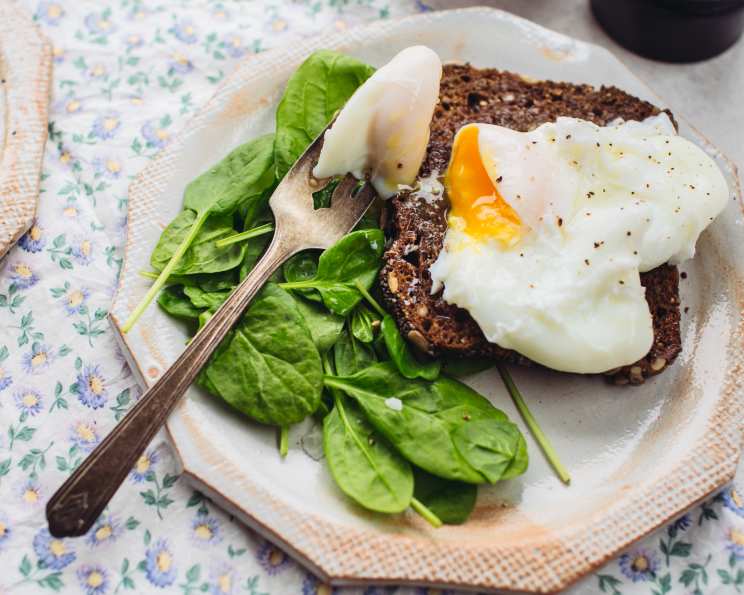
The Art of the Perfect Poached Egg
Poached eggs. Just the words conjure up images of elegant brunches, leisurely weekends, and creamy, golden yolks cascading over crisp toast. I remember the first time I attempted to poach an egg. It was a disaster! Wispy whites stretched and shredded, the yolk stubbornly refused to stay contained, and the whole thing looked more like a science experiment gone wrong than a culinary masterpiece. But, like any worthwhile skill, mastering the poached egg is a journey, and the rewards – a simple yet sophisticated breakfast, a show-stopping Eggs Benedict, or a delightful addition to countless dishes – are well worth the effort.
Recipe Overview
- Prep Time: 2 minutes
- Cook Time: 3 minutes
- Total Time: 5 minutes
- Servings: 1
- Yields: 1 egg
- Dietary Type: Gluten-Free, Dairy-Free
Ingredients
- Water (enough to fill a pot or deep skillet about 1 1/2 inches deep)
- 2 tablespoons vinegar
- 1 egg
Equipment Needed
- Pot or deep skillet
- Small bowl
- Ladle
- Slotted spoon
- Paper towels
Instructions
-
Pour approximately 1 1/2 inches of water into a pot or deep skillet. The depth is important; you want enough water for the egg to float freely.
-
Add 2 tablespoons of vinegar to the water. The vinegar helps the egg whites coagulate quickly, preventing them from spreading out into wispy strands.
-
Crack open one egg into a small bowl. Cracking the egg into a bowl first gives you more control and prevents shell fragments from ending up in the poaching water. It also allows you to assess the egg’s quality. A fresh egg will have a firmer white that holds its shape better.
-
Bring the water to a boil, then immediately reduce the heat to maintain a gentle simmer. A rolling boil will agitate the egg too much and cause it to break apart. The simmer should have just a few small bubbles rising to the surface.
-
Once the water is at a gentle simmer, gently pour the egg from the bowl into a ladle. This helps to gently lower the egg into the water, preventing it from breaking.
-
Carefully transfer the egg from the ladle into the simmering water. Get the ladle as close to the water as possible before releasing the egg.
-
The egg whites will coagulate almost instantly. The vinegar will change the pH level of the poaching water, further accelerating the coagulation process. Don’t be alarmed by any slight cloudiness in the water; that’s just the egg white firming up.
-
Poach the egg for 3 minutes, gently spooning the simmering water over the egg as it cooks. This helps the top of the egg white cook evenly. You can also use a spoon to gently nudge the egg away from the bottom of the pot to prevent sticking.
-
The egg is done when the whites are opaque and feel firm to the touch, while the yolk remains runny. A slight wobble in the yolk is a good sign.
-
Gently remove the egg from the water with a slotted spoon. Allow the excess water to drain off.
-
Lay the poached egg on sheets of paper towel to dry briefly before serving. This helps prevent your toast or other accompaniments from getting soggy.
-
Serve immediately and enjoy the perfect poached egg!
Expert Tips & Tricks
- Freshness is key: Use the freshest eggs possible. Older eggs tend to have thinner whites that spread out more in the water.
- The swirl technique: Some chefs swear by creating a gentle swirl in the water before dropping in the egg. The theory is that the swirling water helps the egg white wrap around the yolk.
- Trimming the edges: For a more professional presentation, you can trim any wispy edges from the cooked egg whites with a small knife before serving.
- Make-ahead poaching: Poached eggs can be made ahead of time and stored in an ice bath in the refrigerator for up to 24 hours. To reheat, gently warm them in simmering water for about 30 seconds.
- Don’t overcrowd the pot: Only poach a few eggs at a time to prevent the water temperature from dropping too much.
Serving & Storage Suggestions
The possibilities for serving poached eggs are endless. Of course, they are wonderful on their own served simply on buttered toast, perhaps with a sprinkle of salt and pepper. But they are also the star of many classic dishes:
- Eggs Benedict: Served on English muffins with Canadian bacon and hollandaise sauce.
- Eggs Florentine: Served on a bed of spinach with hollandaise sauce.
- Avocado toast: A millennial favorite, topped with sliced avocado, everything bagel seasoning, and a poached egg.
- Salads: Add a poached egg to a salad for extra protein and richness.
- Grain bowls: Top a grain bowl with a poached egg for a complete and satisfying meal.
Leftover poached eggs can be stored in an airtight container in the refrigerator for up to 24 hours. Submerge them in cold water to keep them from drying out. Reheat gently in simmering water for about 30 seconds before serving. I do not recommend freezing poached eggs as it negatively impacts the texture.
Nutritional Information
| Nutrient | Amount per Serving | % Daily Value |
|---|---|---|
| Calories | 72.2 kcal | N/A |
| Calories from Fat | N/A | 59% |
| Total Fat | 4.8 g | 7% |
| Saturated Fat | 1.6 g | 7% |
| Cholesterol | 186 mg | 62% |
| Sodium | 71.1 mg | 2% |
| Total Carbohydrate | 0.4 g | 0% |
| Dietary Fiber | 0 g | 0% |
| Sugars | 0.2 g | 0% |
| Protein | 6.3 g | 12% |
Note: Percent Daily Values are based on a 2,000 calorie diet.
Variations & Substitutions
- Flavored poaching liquid: Experiment with different flavors by adding herbs, spices, or even a splash of wine to the poaching water. Try adding a sprig of thyme, a bay leaf, or a pinch of red pepper flakes.
- Different vinegars: While white vinegar is the most common choice, you can also use apple cider vinegar or white wine vinegar for a slightly different flavor.
- Spice it up: Sprinkle a pinch of paprika, chili powder, or smoked paprika on the finished egg for an extra kick.
- Vegetarian Benedict: Swap the Canadian bacon for grilled asparagus, roasted tomatoes, or sautéed mushrooms.
- Smoked Salmon Benedict: Replace Canadian bacon with smoked salmon for a delicious twist.
FAQs (Frequently Asked Questions)
Q: Why do I need to add vinegar to the poaching water?
A: Vinegar helps the egg whites coagulate quickly, preventing them from spreading out and creating a more compact and attractive poached egg.
Q: Can I poach more than one egg at a time?
A: Yes, but don’t overcrowd the pot. Poaching 2-3 eggs at a time is usually manageable. Be sure to maintain a gentle simmer and keep an eye on the temperature.
Q: How do I know when the poached egg is done?
A: The whites should be opaque and firm to the touch, while the yolk should still be runny.
Q: My egg whites are spreading out and looking wispy. What am I doing wrong?
A: This is usually caused by using eggs that are not fresh enough or by having the water at too high of a temperature. Make sure your eggs are fresh and that the water is at a gentle simmer, not a rolling boil.
Q: Can I make poached eggs ahead of time?
A: Yes, you can poach eggs ahead of time and store them in an ice bath in the refrigerator for up to 24 hours. Reheat gently in simmering water for about 30 seconds before serving.
Final Thoughts
There you have it – the simple, yet sublime, art of the perfect poached egg. It might take a few tries to get it just right, but don’t be discouraged! Every attempt brings you closer to mastering this culinary classic. So go ahead, grab some fresh eggs, and get poaching. Experiment with different flavors and serving suggestions, and don’t be afraid to get creative. Once you’ve mastered the poached egg, you’ll be amazed at the endless possibilities it unlocks. Serve your perfect poached eggs with pride and savor the deliciousness!