
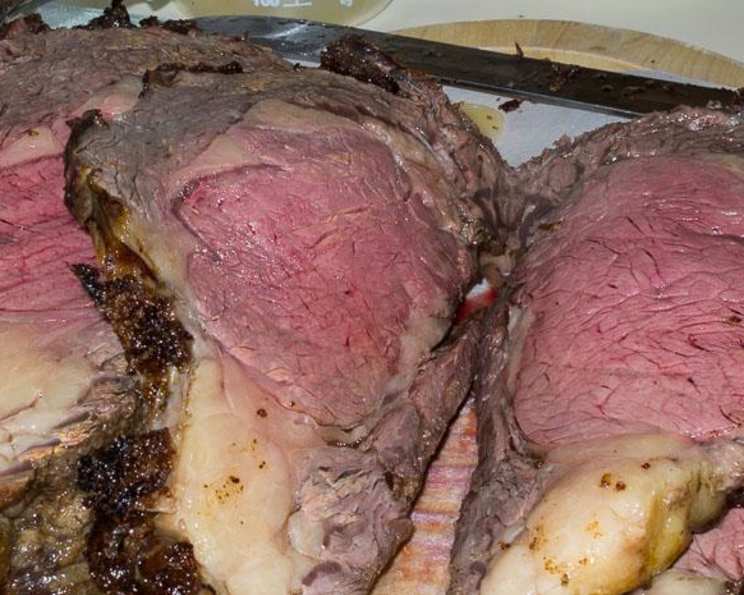
Perfect Prime Rib Roast: A Chef’s Guide to Culinary Excellence
The holidays at my grandmother’s house were legendary, mostly due to her unwavering dedication to the perfect prime rib. I can still picture the scene: the mahogany dining table gleaming under the chandelier, the scent of rosemary and garlic permeating the air, and the collective gasp of admiration as my grandfather presented the perfectly browned roast, its juices glistening like jewels. It wasn’t just a meal; it was a ceremony, a testament to love and shared moments that I now cherish and strive to recreate in my own kitchen. This recipe, honed over years of experience, is my homage to those cherished memories.
Recipe Overview
- Prep Time: 15 minutes
- Cook Time: 2 hours 50 minutes (depending on desired doneness)
- Total Time: 3 hours 5 minutes
- Servings: 12
- Dietary Type: None Specified
Ingredients
- 1 (5 lb) choice cut prime rib roast
- ½ cup kosher salt
- 1 tablespoon garlic powder or 6 garlic cloves, crushed
- Pepper, generous amount
- Additional seasoning, as preferred
Equipment Needed
- Shallow roasting pan
- Meat thermometer
Instructions
- Allow the prime rib roast to come to room temperature. This is crucial for even cooking; it usually takes about 2-3 hours, depending on your kitchen’s temperature. Don’t rush this step!
- While the roast is coming to temperature, prepare your seasoning blend. In a small bowl, combine the kosher salt, garlic powder (or crushed garlic), and a generous amount of pepper. Feel free to add other seasonings you enjoy, such as dried rosemary, thyme, or paprika.
- Once the roast is at room temperature, rub it generously with the prepared seasoning blend. Ensure every surface is coated evenly.
- Place the seasoned roast, bone side down, in a shallow roasting pan. This position helps protect the meat from drying out and allows the fat to render and baste the roast naturally.
- Add a small amount of water (about 1 cup) to the bottom of the roasting pan. This creates steam, which helps to keep the roast moist during the initial searing process.
- Insert a meat thermometer into the thickest part of the roast, making sure it doesn’t touch any bone. This is the most accurate way to determine when the roast is cooked to your desired doneness.
- Sear the roast in a preheated oven at 500°F for 15 minutes. This high heat helps to create a beautiful, flavorful crust.
- DO NOT OPEN THE OVEN DOOR! This is critical. Opening the door will release the heat and affect the cooking process.
- After searing, turn the oven temperature down to 350°F.
- Continue cooking the roast for approximately 20 minutes per pound, or until the meat thermometer registers your desired internal temperature. Use the following guidelines:
- Rare: 140-150°F
- Medium: 150-160°F
- Well Done: 170-180°F
- Note that the internal temperature will continue to rise after removing the roast from the oven – this is called “carryover cooking.”
- Once the roast reaches your desired temperature, remove it from the oven.
- Allow the roast to sit for 15 minutes before slicing. This resting period allows the juices to redistribute throughout the meat, resulting in a more tender and flavorful final product. Tent it loosely with foil to keep it warm.
- After resting, slice the prime rib against the grain and serve immediately.
Expert Tips & Tricks
- Dry Brining: For an even more flavorful and tender roast, consider dry brining. Apply the salt (and other dry seasonings) to the roast 24-48 hours before cooking. Place the roast uncovered in the refrigerator. This allows the salt to penetrate the meat, drawing out moisture, which is then reabsorbed, resulting in a more intensely flavored and juicy roast.
- Bone-In vs. Boneless: A bone-in roast generally has more flavor because the bone marrow imparts richness during cooking. However, a boneless roast is easier to carve.
- Doneness is Key: Invest in a good-quality meat thermometer. It’s the only way to ensure your roast is cooked to perfection. Digital thermometers with alarms are especially helpful.
- Gravy from Pan Drippings: Don’t discard the pan drippings! They can be used to make a delicious gravy. Simply skim off any excess fat, add some flour to the pan, cook for a few minutes, then whisk in beef broth until you reach your desired consistency. Season to taste.
- Fat Cap: Do not trim the fat cap. As it renders, it bastes the roast, resulting in superior flavor and juiciness.
Serving & Storage Suggestions
Serve the perfectly cooked prime rib hot, sliced against the grain. Complement it with classic sides like roasted potatoes, Yorkshire pudding, creamed spinach, or glazed carrots. For a truly special occasion, offer a selection of sauces, such as horseradish cream, au jus, or a red wine reduction.
Leftover prime rib can be stored in an airtight container in the refrigerator for up to 3-4 days. For longer storage, consider freezing it. Wrap the sliced roast tightly in plastic wrap, then place it in a freezer-safe bag or container. Frozen prime rib can be stored for up to 2-3 months.
To reheat, gently warm the sliced prime rib in a low oven (around 250°F) or in a skillet with a little beef broth. Avoid overcooking, as it can dry out the meat.
Nutritional Information
(Estimated per serving, based on a 5lb roast serving 12)
| Nutrient | Amount per Serving | % Daily Value |
|---|---|---|
| Calories | 450 kcal | 23% |
| Total Fat | 35g | 54% |
| Saturated Fat | 15g | 75% |
| Cholesterol | 100mg | 33% |
| Sodium | 1500mg | 63% |
| Total Carbohydrate | 1g | 0% |
| Dietary Fiber | 0g | 0% |
| Sugars | 0g | 0% |
| Protein | 30g | 60% |
Variations & Substitutions
- Herb Crust: Instead of a simple salt and pepper rub, create an herb crust by combining finely chopped fresh rosemary, thyme, and parsley with olive oil and crushed garlic. Spread this mixture over the roast before cooking.
- Spice Rub: For a bolder flavor, use a spice rub that includes smoked paprika, chili powder, cumin, and coriander.
- Wine Infusion: Before roasting, marinate the prime rib in red wine, garlic, and herbs for several hours. This will add depth and complexity to the flavor.
- Different Cuts: While this recipe is designed for prime rib, you can adapt it for other cuts of beef, such as ribeye roast or standing rib roast. Adjust cooking times accordingly.
- Garlic Paste: For a less intense garlic flavor, use garlic paste instead of fresh crushed garlic or garlic powder.
FAQs (Frequently Asked Questions)
Q: Why is it important to bring the roast to room temperature before cooking?
A: Bringing the roast to room temperature ensures more even cooking throughout, preventing the outside from overcooking while the inside remains underdone.
Q: Can I use a different type of salt besides kosher salt?
A: While kosher salt is recommended due to its consistent grain size, you can use sea salt. However, you may need to adjust the amount, as different salts have varying levels of salinity.
Q: What if I don’t have a roasting pan?
A: You can use a large oven-safe skillet or baking dish instead. Just make sure it’s large enough to hold the roast comfortably without overcrowding.
Q: How do I know if the roast is cooked to the correct temperature if my thermometer isn’t working?
A: While a thermometer is highly recommended, you can use the touch test. Press the roast with your finger. Rare will feel very soft, medium will feel slightly firmer, and well-done will feel firm. However, this method is less reliable than using a thermometer.
Q: Can I make this recipe ahead of time?
A: You can season the roast and store it in the refrigerator for up to 24 hours before cooking. However, it’s best to cook the roast on the day you plan to serve it for the best flavor and texture.
Final Thoughts
There’s a certain magic to a perfectly cooked prime rib roast. It’s a centerpiece that commands attention, a symbol of celebration, and a testament to the art of cooking. Don’t be intimidated by the process. Follow this recipe, trust your instincts, and savor the experience. Whether you’re recreating a cherished family tradition or starting a new one, I encourage you to try this recipe and make it your own. Share your results and feedback, and perhaps pair it with a bold Cabernet Sauvignon for an unforgettable dining experience. Happy cooking!