
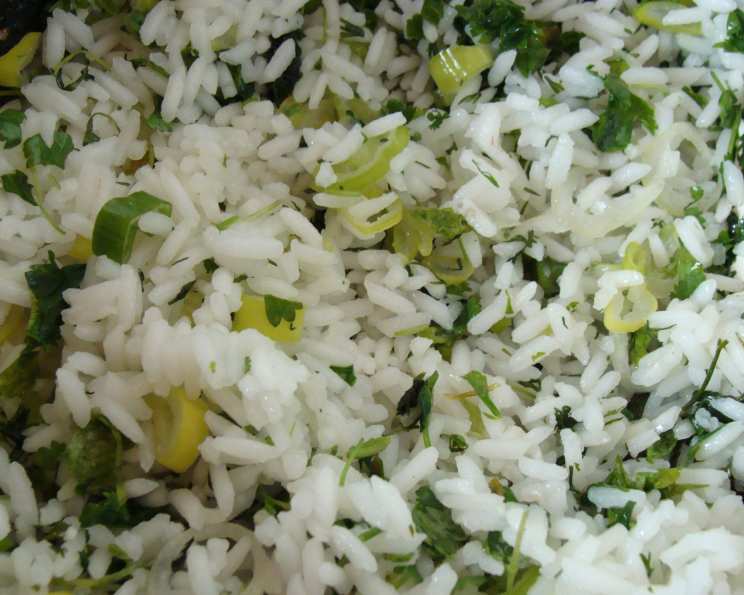
Perfect Rice Every Time We Cook It!
I’ll never forget the first time I made rice for a very important dinner. My hands were shaking, I was convinced I’d either burn it to a crisp or end up with a gluey, starchy mess. My grandmother, bless her heart, stood beside me, patiently guiding me through the steps, her wise eyes crinkling at the corners as she shared her foolproof method. From that day on, I’ve been on a mission to conquer rice, and this recipe, dare I say, is the closest I’ve come to achieving absolute perfection. It’s simple, reliable, and yields fluffy, separate grains every single time.
Recipe Overview
- Prep Time: 5 minutes
- Cook Time: 15 minutes
- Total Time: 20 minutes
- Servings: Varies (about 3oz dry rice per person)
- Yields: 1 pot of rice
- Dietary Type: Gluten-Free, Vegan
Ingredients
- Rice (about 3oz per person for plain rice, standard long grain)
- Water
- Salt (to taste)
Equipment Needed
- Large saucepan (for boiling)
- Double boiler (saucepan and top with holes or a steamer insert)
- Kettle
- Measuring cup
Instructions
-
Begin by washing your rice thoroughly in cold running water. This step is crucial for removing excess starch, which prevents the rice from becoming sticky. Rinse until the water runs clear.
-
In a large saucepan, bring a generous amount of salted water to a rolling boil. The water should be salted as if you were cooking pasta, which will give the rice some flavour from the inside.
-
Tip in your washed rice, stir briefly to prevent sticking, and bring the water back to a boil.
-
Time for exactly 5 minutes. Let the rice boil rapidly, stirring occasionally to ensure even cooking.
-
After 5 minutes, drain the rice in the top part of your double boiler, the part with holes (or a steamer basket).
-
Place the double boiler top with the rice back over the bottom pan. Add about an inch of boiling water from the kettle into the bottom pan. Be careful not to overfill.
-
Cover the double boiler tightly and steam for a further 10 minutes. This gentle steaming process allows the rice to cook through without becoming mushy.
Note: This recipe is designed for “standard” long-grain rice. Different types of rice will require slight adjustments to the steaming time.
- Jasmine and Basmati rice: typically need only about 7 minutes of steaming.
- Koshihikari rice (for sushi): may need a little longer, closer to 12 minutes.
- Brown rice: will require significantly more cooking time, both during the initial boiling and the steaming stages. It will also require more water.
Expert Tips & Tricks
- The Wash is Key: Don’t skimp on washing the rice. The clearer the water, the less sticky the final result.
- Perfect Boiling: The initial 5-minute boil helps to partially cook the rice, setting the stage for even steaming.
- Steam Control: Adjust the steaming time based on the type of rice you are using. Over-steaming will result in mushy rice, while under-steaming will leave it undercooked.
- Fluff it Right: Once the steaming is complete, gently fluff the rice with a fork to separate the grains and release any excess moisture.
- Rest is Best: Let the rice rest for a few minutes after fluffing, with the lid slightly ajar, to allow any remaining steam to escape.
- For extra flavour, try using chicken or vegetable broth instead of water for steaming. This will infuse the rice with a subtle, savory flavour.
Serving & Storage Suggestions
Serve your perfectly cooked rice immediately alongside your favorite dishes. It’s a wonderful complement to stir-fries, curries, grilled meats, and roasted vegetables.
Leftover rice can be stored in an airtight container in the refrigerator for up to 3 days. Ensure the rice has cooled completely before refrigerating to prevent bacterial growth. Do not leave cooked rice at room temperature for more than 2 hours.
To reheat, add a tablespoon or two of water to the rice and microwave on medium power, stirring occasionally, until heated through. Alternatively, you can steam it again using the double boiler method. Ensure the rice is piping hot before serving. Reheated rice is best eaten as soon as possible.
Nutritional Information
(Estimated per serving, based on 3oz dry rice)
| Nutrient | Amount per Serving | % Daily Value |
|---|---|---|
| Calories | 160 kcal | 8% |
| Total Fat | 0.3g | 0% |
| Saturated Fat | 0.1g | 0% |
| Cholesterol | 0mg | 0% |
| Sodium | 2mg | 0% |
| Total Carbohydrate | 36g | 12% |
| Dietary Fiber | 0.6g | 2% |
| Sugars | 0g | 0% |
| Protein | 3g | 6% |
Please note that these values are estimates and may vary depending on the specific type of rice and cooking method.
Variations & Substitutions
- Flavored Rice: Infuse the rice with aromatic spices like cardamom, cloves, or cinnamon during the steaming process for a fragrant twist.
- Coconut Rice: Substitute some of the water with coconut milk for a richer, sweeter flavor.
- Herb Infused Rice: Add fresh herbs like parsley, cilantro, or thyme during the last few minutes of steaming.
- Brown Rice Version: Use the same method, but increase the boiling time to 15 minutes and the steaming time to 40-45 minutes. You may also need to add more water to the bottom of the double boiler as it cooks.
- Fried Rice Upgrade: Use this perfectly cooked rice as the base for your favorite fried rice recipe. It’s important to use cold, day-old rice for the best texture in fried rice.
FAQs (Frequently Asked Questions)
Q: Why is it important to wash the rice before cooking?
A: Washing removes excess starch, preventing the rice from becoming sticky and gummy during cooking, resulting in fluffier grains.
Q: Can I use a regular pot instead of a double boiler?
A: While a double boiler provides gentle, even steaming, you can use a regular pot with a tight-fitting lid. Make sure to keep the heat very low to prevent burning.
Q: How do I know if the rice is cooked properly?
A: The rice should be tender and fluffy, with each grain separate. If it’s still hard, add a little more boiling water to the double boiler and steam for a few more minutes.
Q: What if my rice is too sticky?
A: You likely didn’t wash the rice thoroughly enough or used too much water. Next time, rinse the rice more vigorously and adjust the water ratio.
Q: Can I use this method for other grains like quinoa or barley?
A: This method is specifically tailored for long-grain rice. Other grains have different cooking times and water ratios, so it’s best to follow specific recipes for those.
Final Thoughts
Mastering rice is a foundational skill in any kitchen, and this recipe offers a foolproof approach to achieving perfectly cooked, fluffy grains every time. Don’t be intimidated! With a little practice and attention to detail, you’ll be serving up restaurant-quality rice that complements any meal. I encourage you to try this method, experiment with different variations, and share your feedback. Perhaps serve your perfect rice alongside a vibrant Thai green curry or a simple grilled salmon with lemon. The possibilities are endless!