
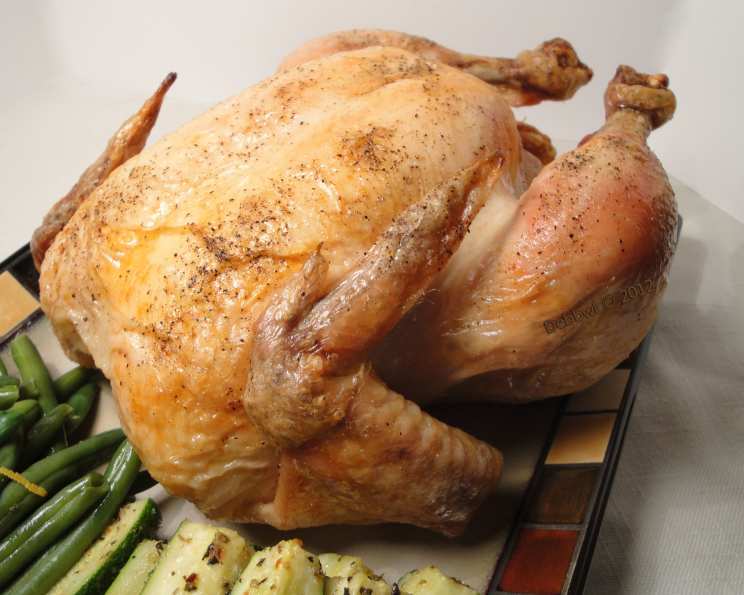
Perfect Roast Chicken: A Simple Recipe for Unforgettable Flavor
There’s something deeply comforting about the aroma of a roasting chicken wafting through the house. For me, it instantly transports me back to my grandmother’s kitchen, where Sunday dinners were a sacred ritual. The golden-brown skin, the juicy meat falling off the bone, and the simple yet profound flavors—it was pure love on a plate. This recipe captures that nostalgic essence, a “don’t lose this recipe, chef” kind of meal that I’m excited to share with you.
Recipe Overview
- Prep Time: 15 minutes
- Cook Time: 80 minutes
- Total Time: 1 hour 35 minutes
- Servings: 6
- Yield: 1 whole chicken
- Dietary Type: Generally Dairy-Free, Gluten-Free
Ingredients
- 1 lemon, cut into slices
- 1 piece fresh ginger, about 2-inches long, cut into slices
- 10 garlic cloves, peeled
- 3 lbs whole chicken
- Coarse salt (Hawaiian salt recommended for a unique flavor)
- Freshly ground black pepper
- Olive oil
Equipment Needed
- Shallow roasting pan
Instructions
-
Preheat your oven to 450 degrees Fahrenheit. This initial blast of high heat is crucial for achieving crispy, golden skin.
-
Rinse the chicken thoroughly under cold water and pat it dry with paper towels. A dry chicken is essential for proper browning.
-
Generously sprinkle the inside cavity of the chicken with coarse salt and freshly ground black pepper. Don’t be shy with the seasoning – this is your chance to flavor the meat from the inside out.
-
Stuff the cavity with the lemon slices, ginger slices, and garlic cloves. These aromatics will infuse the chicken with a subtle, fragrant flavor as it roasts.
-
Place the chicken in a shallow roasting pan. This allows for even air circulation and prevents the chicken from steaming.
-
Rub the chicken all over with olive oil. This will help the skin crisp up beautifully.
-
Season the outside of the chicken generously with more coarse salt and freshly ground black pepper. Again, don’t be afraid to season well – this is what will make the skin so flavorful.
-
Roast the chicken in the preheated oven for 15 minutes. This high heat start sears the skin and locks in the juices.
-
Reduce the oven temperature to 375 degrees Fahrenheit and continue roasting for an additional 65 minutes. It’s important not to open the oven door during this time, as it can cause the temperature to fluctuate and affect the cooking process.
-
Remove the chicken from the oven and let it rest for 10 minutes before carving. This allows the juices to redistribute throughout the meat, resulting in a more tender and flavorful bird.
Expert Tips & Tricks
- For Extra Crispy Skin: After patting the chicken dry, leave it uncovered in the refrigerator for a few hours (or even overnight). This will help to dry out the skin even further, resulting in maximum crispiness.
- Spatchcocking: Consider spatchcocking (butterflying) the chicken for an even faster cooking time. This involves removing the backbone and flattening the chicken, which allows it to cook more evenly.
- Elevate the Chicken: Place the chicken on a roasting rack inside the roasting pan. This will allow for better air circulation and prevent the bottom of the chicken from getting soggy.
- Check for Doneness: The chicken is done when a meat thermometer inserted into the thickest part of the thigh registers 165 degrees Fahrenheit (74 degrees Celsius). Be careful not to touch the bone with the thermometer.
- Basting (Optional): While this recipe doesn’t require basting, you can baste the chicken with pan juices every 20 minutes or so for even more flavor and moisture. However, avoid opening the oven door too frequently, as this can lower the temperature.
Serving & Storage Suggestions
Serve your perfectly roasted chicken hot, straight from the oven. Carve it into individual portions and serve with your favorite side dishes, such as roasted vegetables, mashed potatoes, or a simple salad.
Leftover roast chicken can be stored in an airtight container in the refrigerator for up to 3-4 days. For longer storage, you can freeze the chicken for up to 2-3 months. To reheat, simply place the chicken in a preheated oven at 350 degrees Fahrenheit (175 degrees Celsius) until warmed through, or microwave individual portions as needed. Leftover chicken is also fantastic in sandwiches, salads, soups, and stews.
Nutritional Information
(Approximate values per serving)
| Nutrient | Amount per Serving | % Daily Value |
|---|---|---|
| Calories | 327 kcal | N/A |
| Total Fat | 23g | 35% |
| Saturated Fat | 7g | 33% |
| Cholesterol | 107mg | 35% |
| Sodium | 101mg | 4% |
| Total Carbohydrate | 3g | 0% |
| Dietary Fiber | 0g | 1% |
| Sugars | 0g | 1% |
| Protein | 26g | 51% |
Note: Nutritional information is an estimate and may vary based on specific ingredients and portion sizes.
Variations & Substitutions
- Herb Roasted Chicken: Add fresh herbs such as rosemary, thyme, and sage to the cavity and rub them under the skin for an herbaceous flavor.
- Citrus Roasted Chicken: Use different citrus fruits, such as oranges or grapefruits, in place of the lemon for a tangy twist.
- Spice Rubbed Chicken: Create a spice rub with paprika, garlic powder, onion powder, and other spices for a bold and flavorful chicken.
- Root Vegetable Bed: Place chopped root vegetables, such as carrots, potatoes, and onions, in the bottom of the roasting pan. They will roast alongside the chicken and absorb all of the delicious juices.
- Wine Infusion: Pour a cup of white wine or chicken broth into the bottom of the roasting pan to add moisture and flavor to the chicken.
FAQs (Frequently Asked Questions)
Q: Can I use a different type of salt than coarse salt?
A: Yes, you can use regular table salt, but coarse salt, especially Hawaiian salt, provides a better flavor and texture.
Q: Can I use frozen chicken?
A: It’s best to use a thawed chicken for even cooking. If using frozen chicken, ensure it’s fully thawed before starting the recipe.
Q: How do I know if the chicken is fully cooked?
A: Use a meat thermometer to check the internal temperature. It should reach 165°F (74°C) in the thickest part of the thigh.
Q: Can I use different aromatics inside the chicken cavity?
A: Absolutely! Feel free to experiment with different herbs, spices, and citrus fruits to create your own unique flavor profile.
Q: What can I do with the pan drippings?
A: The pan drippings can be used to make a delicious gravy. Simply strain the drippings, skim off any excess fat, and whisk in a mixture of flour and water or cornstarch to thicken.
Final Thoughts
Roasting a chicken might seem intimidating, but it’s actually a surprisingly simple and rewarding process. This recipe provides a solid foundation for creating a truly memorable meal. Don’t be afraid to experiment with different seasonings and flavors to make it your own. Gather your loved ones, pour a glass of wine, and enjoy the simple pleasures of a perfectly roasted chicken. I encourage you to try this recipe and share your experiences – I’m always eager to hear how it turns out for you!