
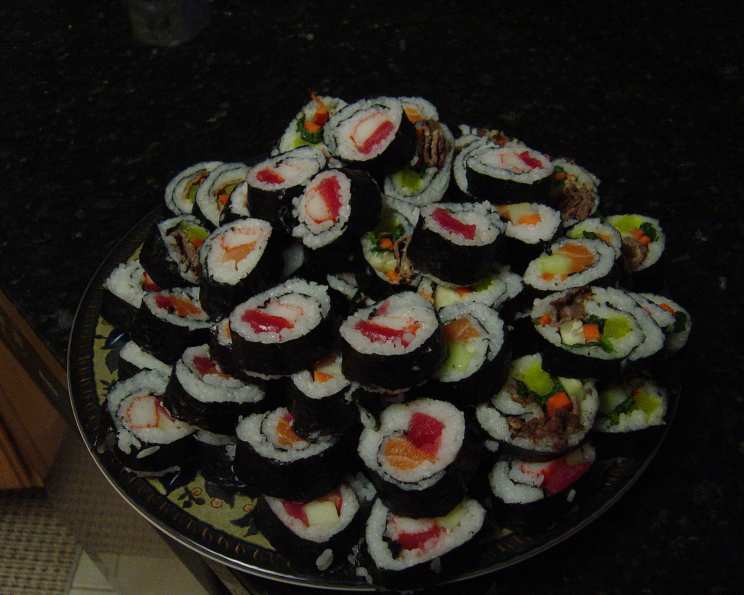
The Secret to Perfect Sticky Sushi Rice: A Culinary Journey
My first encounter with truly exceptional sushi rice was at a tiny, unassuming restaurant tucked away in Kyoto. The chef, a master of his craft with decades of experience etched on his face, presented me with a simple nigiri. The fish was undeniably fresh, but it was the rice that captivated me. Each grain was perfectly formed, slightly sweet, and possessed a remarkable stickiness that held the entire piece together. That experience ignited my passion for mastering this essential element of sushi, and after years of experimentation, I’m excited to share my recipe for achieving sushi rice perfection.
Recipe Overview
- Prep Time: 35 minutes
- Cook Time: 30 minutes
- Total Time: 1 hour 5 minutes
- Yields: Approximately 75 sushi pieces
- Dietary Type: Gluten-Free, Vegan
Ingredients
- 3 cups sushi rice
- 3 1/3 cups water
- 1/2 cup rice vinegar
- 1/4 cup sugar
- 1/2 teaspoon salt
- 1 tablespoon dashi (powdered fish stock) – optional, for enhanced umami flavor
Equipment Needed
- Large bowl
- Large saucepan with a tight-fitting lid
- Small saucepan
- Wooden or glass bowl
- Flat spatula or rice paddle
Instructions
-
RINSE THE RICE: Place the 3 cups of sushi rice in a large bowl. Gently rinse the rice by adding enough cold water to roughly half-fill the bowl. Swirl the rice around in the water to release the starch. Rinse, swirl, and drain the water repeatedly, perhaps three or four times. While rinsing, gently scrunch the rice with your hands. Continue this process until the water begins to run clear. This step is crucial for removing excess starch, which would otherwise result in overly gummy rice.
-
SOAK THE RICE: Transfer the rinsed rice into a large saucepan. Pour in 3 1/3 cups of water and leave the rice to soak for at least 30 minutes. During the soaking period, you’ll notice the rice becoming whiter as it absorbs water and the water itself becoming clearer. This pre-hydration ensures even cooking.
-
PREPARE THE SUSHI VINEGAR: While the rice is soaking, prepare the sushi vinegar. In a small saucepan, combine 1/2 cup of rice vinegar, 1/4 cup of sugar, 1/2 teaspoon of salt, and 1 tablespoon of powdered dashi (if using). Heat the mixture gently over low heat, stirring constantly, until the sugar and salt are completely dissolved. Be careful not to let the mixture boil, as this can negatively affect the flavor. Only heat it long enough to dissolve the solids. Allow the sushi vinegar to cool completely while the rice cooks.
-
COOK THE RICE: Place the lid securely on the saucepan containing the soaked rice. Turn the heat to high and bring the rice to a boil. Once the rice begins to boil vigorously, immediately reduce the heat to the lowest setting and allow the rice to simmer for 15 minutes. It is absolutely essential that you do not lift the lid at any point during the cooking process, as this will release steam and disrupt the cooking time.
-
REST THE RICE: After the 15 minutes of simmering, turn off the heat completely and leave the rice to stand, undisturbed, for another 15 minutes with the lid still on. This resting period allows the residual steam to evenly distribute throughout the rice, ensuring a consistent texture.
-
COMBINE RICE AND VINEGAR: Transfer the cooked rice into a large wooden or glass bowl. Gently pour the cooled sushi vinegar evenly over the rice. Using a flat spatula or rice paddle, employ a cutting motion to carefully fold the vinegar mixture into the rice. As you fold, use your other hand to gently fan the rice. This helps to cool the rice quickly and evenly while preventing it from becoming mushy. Aim to bring the rice down to room temperature while folding.
-
READY TO SERVE: The sushi rice is best used immediately while it is still slightly warm. The ideal sushi rice should be shiny, sticky, and have each grain separated and distinct, rather than mashed together. It should be used at room temperature. If you’re not using the rice immediately, cover the bowl with a damp cloth to prevent it from drying out and hardening.
Expert Tips & Tricks
- Rinsing is Key: Don’t skimp on the rinsing step. The clearer the water, the better the texture of the final rice.
- Wooden Bowl Preferred: A wooden bowl (hangiri) is ideal for cooling the rice as it absorbs excess moisture, but a glass bowl works well as a substitute. Avoid metal bowls, as they can react with the vinegar.
- Fanning is Essential: The fanning process not only cools the rice but also helps to evaporate excess moisture, contributing to the desired texture.
- Don’t Overmix: Be gentle when folding in the sushi vinegar. Overmixing can cause the rice to become mushy.
- Adjust Sweetness: Feel free to adjust the sugar level in the sushi vinegar to your preference.
- Dashi Substitute: If you don’t have dashi, you can omit it or substitute with a very small pinch of MSG for a similar umami boost.
Serving & Storage Suggestions
Serve your perfect sushi rice immediately in your favorite sushi preparations, such as nigiri, maki rolls, or chirashi bowls. The rice should be at room temperature and slightly sticky. If you have leftover sushi rice, store it in an airtight container in the refrigerator. It’s best to use it within 24 hours, as it can dry out quickly. To reheat, gently microwave the rice with a damp paper towel on top for a few seconds until warmed through. Avoid over-heating, which can make the rice gummy. Do not leave cooked sushi rice at room temperature for more than two hours due to food safety concerns.
Nutritional Information
Estimated Nutritional Information per Serving (1/75th of the total recipe)
| Nutrient | Amount per Serving | % Daily Value |
|---|---|---|
| Calories | ~30 kcal | ~1% |
| Total Fat | ~0 g | ~0% |
| Saturated Fat | ~0 g | ~0% |
| Cholesterol | ~0 mg | ~0% |
| Sodium | ~16 mg | ~1% |
| Total Carbohydrate | ~7 g | ~2% |
| Dietary Fiber | ~0 g | ~0% |
| Sugars | ~1 g | ~2% |
| Protein | ~0.5 g | ~1% |
Please note that these are estimated values and may vary depending on specific ingredient brands and portion sizes.
Variations & Substitutions
- Vegan Dashi: If you are strictly vegan, omit the dashi powder or replace it with a small amount of kombu seaweed soaked in water for a few minutes to extract umami flavor. Use the strained kombu water in place of the dashi.
- Brown Rice Sushi: While traditional sushi rice is white, you can experiment with using short-grain brown rice for a nuttier flavor and higher fiber content. You may need to adjust the water ratio and cooking time accordingly.
- Alternative Vinegars: While rice vinegar is traditional, you can use other mild vinegars like white wine vinegar or apple cider vinegar in a pinch. However, the flavor will be slightly different.
- Sweetener Options: You can substitute the granulated sugar with honey, maple syrup, or agave nectar, but be mindful that these alternatives may alter the flavor and color of the sushi vinegar.
FAQs (Frequently Asked Questions)
Q: Why is rinsing the rice so important?
A: Rinsing removes excess starch from the rice, which prevents it from becoming too sticky and gummy during cooking.
Q: Can I use a rice cooker instead of a saucepan?
A: Yes, you can use a rice cooker with a sushi rice setting. Follow the manufacturer’s instructions for water ratios.
Q: What can I do if my sushi rice is too sticky?
A: Next time, try rinsing the rice more thoroughly or reducing the amount of water used for cooking.
Q: How long can I store leftover sushi rice?
A: Leftover sushi rice should be stored in an airtight container in the refrigerator and used within 24 hours.
Q: Can I freeze sushi rice?
A: Freezing sushi rice is not recommended, as it can significantly alter the texture and make it mushy.
Final Thoughts
Making perfect sushi rice might seem daunting, but it’s a skill well worth mastering. The balanced flavors and delicate texture of expertly prepared rice elevates any sushi experience. So, gather your ingredients, follow these steps, and don’t be afraid to experiment. Share your creations with friends and family, and let the joy of homemade sushi fill your kitchen. And if you’re feeling adventurous, try pairing your sushi with a crisp, dry sake or a refreshing green tea!