
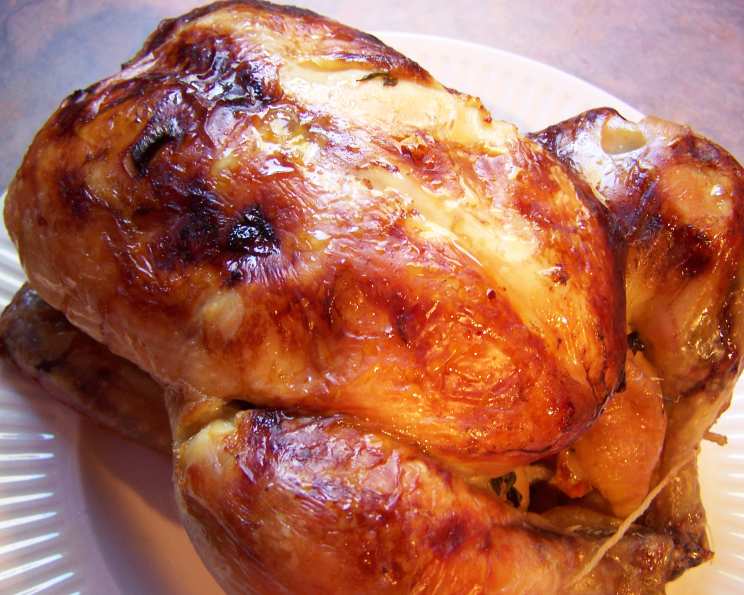
The Quintessential Thanksgiving Turkey: A Recipe for Success
I remember the first time I was tasked with roasting the Thanksgiving turkey. I was a nervous culinary student, armed with more textbook knowledge than actual experience. The pressure was immense! My family, bless their hearts, were expecting a Norman Rockwell-worthy centerpiece. What I delivered was…well, let’s just say it involved a smoke alarm and a very dry bird. But from that early stumble, I learned invaluable lessons about patience, technique, and the magic of a perfectly brined and roasted turkey. Now, years later, I’m sharing a recipe honed through experience, designed to bring you a moist, flavorful centerpiece for your holiday table.
Recipe Overview
- Prep Time: 30 minutes
- Cook Time: 3.5 to 4 hours
- Total Time: 17 hours (includes brining)
- Servings: Varies depending on size of turkey (approximately 12-16)
- Yield: 1 Turkey
- Dietary Type: Not specified
Ingredients
- 1 (18 lb) turkey, neck and giblets removed
- 2 cups kosher salt
- ½ cup butter, melted
- 2 large onions, peeled and chopped
- 4 carrots, peeled and chopped
- 4 stalks celery, chopped
- 2 sprigs fresh thyme
- 1 bay leaf
- 1 cup dry white wine
Equipment Needed
- Large stock pot (large enough to submerge the turkey)
- Shallow roasting pan
- Roasting rack
- Meat thermometer
Instructions
- Brining the Turkey: Begin by rubbing the turkey inside and out with the kosher salt.
- Next, place the salted bird in a large stock pot and cover completely with cold water. Ensure the turkey is fully submerged.
- Transfer the stock pot to the refrigerator and allow the turkey to soak in the salt and water mixture for 12 hours, or overnight. This brining process is crucial for ensuring a moist and flavorful final product.
- Preheating the Oven: Preheat your oven to 350°F (175°C). It’s important to allow the oven to fully preheat for even cooking.
- Preparing the Turkey for Roasting: Thoroughly rinse the turkey under cold water, ensuring all traces of the brine are removed. Discard the brine mixture.
- Butter and Positioning: Brush the turkey with half of the melted butter, ensuring even coverage.
- Place the turkey breast side down on a roasting rack in a shallow roasting pan. The roasting rack allows for air circulation, promoting even cooking.
- Stuffing the Cavity: Stuff the turkey cavity with 1 onion, half of the carrots, half of the celery, 1 sprig of thyme, and the bay leaf. These aromatics will infuse the turkey with flavor during roasting.
- Vegetable Base: Scatter the remaining vegetables and thyme around the bottom of the roasting pan. This creates a flavorful base for the turkey and will contribute to delicious pan drippings.
- Adding Wine: Pour the white wine into the bottom of the roasting pan. The wine will add moisture and flavor to the turkey during the roasting process.
- Roasting: Roast the turkey uncovered for 3 1/2 to 4 hours in the preheated oven. The roasting time will vary depending on the size of the turkey, so it is essential to monitor the internal temperature.
- Checking Doneness: The turkey is done when the internal temperature of the thigh reaches 180°F (85°C). Use a meat thermometer inserted into the thickest part of the thigh, avoiding the bone, to accurately measure the temperature.
- Turning and Buttering: Carefully turn the turkey breast side up about 2/3 through the roasting time. This will ensure even browning and prevent the breast from drying out. Brush the turkey with the remaining melted butter.
- Resting: Allow the turkey to stand for about 30 minutes before carving. This resting period allows the juices to redistribute throughout the turkey, resulting in a more moist and flavorful final product. Tent the turkey loosely with foil during this time to keep it warm.
Expert Tips & Tricks
- Brining is Key: Don’t skip the brining! It’s the secret to a moist and flavorful turkey. If you don’t have a large enough stock pot, use a clean, food-grade bucket or brining bag.
- Temperature Matters: Invest in a good quality meat thermometer. It’s the only way to accurately determine when the turkey is done.
- Basting is Optional: Basting the turkey with pan juices can help with browning, but it’s not strictly necessary. Opening the oven frequently can lower the temperature and increase cooking time.
- Don’t Overcrowd the Pan: Make sure there’s enough space between the turkey and the sides of the roasting pan for air to circulate.
- Use a Water Bath (If Needed): If your oven tends to run hot, you can place a pan of water on the rack below the turkey. This will add moisture to the oven and help prevent the turkey from drying out.
- Gravy Gold: Don’t discard the pan drippings! They are the foundation for a delicious gravy. Skim off any excess fat, then use the drippings to create a roux and thicken with broth.
Serving & Storage Suggestions
Present the roasted turkey on a large platter, garnished with fresh herbs like thyme and rosemary. Carve the turkey just before serving to maximize moisture.
Leftover turkey should be stored in an airtight container in the refrigerator. It will keep for 3-4 days. You can also freeze leftover turkey for up to 2-3 months. Thaw it in the refrigerator overnight before reheating.
To reheat leftover turkey, you can use the oven, microwave, or skillet. For best results, add a little broth or gravy to keep the turkey moist.
Nutritional Information
Note: Nutritional information is an estimate and can vary based on specific ingredients and portion sizes.
| Nutrient | Amount per Serving (Estimated) | % Daily Value (Estimated) |
|---|---|---|
| Calories | 800-1000 kcal | 40-50% |
| Total Fat | 40-60g | 60-90% |
| Saturated Fat | 15-25g | 75-125% |
| Cholesterol | 200-300mg | 67-100% |
| Sodium | 1000-1500mg | 42-63% |
| Total Carbohydrate | 5-10g | 2-4% |
| Dietary Fiber | 1-2g | 4-8% |
| Sugars | 2-4g | N/A |
| Protein | 80-100g | 160-200% |
Variations & Substitutions
- Herb Variations: Experiment with different herbs in the cavity and around the turkey. Rosemary, sage, and oregano are all excellent choices.
- Citrus Infusion: Add slices of orange, lemon, or grapefruit to the cavity for a citrusy twist.
- Spice Rub: Create a spice rub with paprika, garlic powder, onion powder, and other favorite spices for a bolder flavor.
- Wine Alternatives: If you don’t have white wine, you can use chicken broth or apple cider instead.
- Fat Alternatives: Instead of butter, you can use olive oil or duck fat.
FAQs (Frequently Asked Questions)
Q: Can I brine the turkey for longer than 12 hours?
A: While 12 hours is ideal, you can brine the turkey for up to 18 hours. However, be mindful that a longer brining time can result in a saltier bird.
Q: Do I need to baste the turkey?
A: Basting is optional. It can help with browning, but it’s not essential. If you choose to baste, do so every 30-45 minutes.
Q: How do I prevent the turkey from drying out?
A: Brining, not overcooking, and allowing the turkey to rest before carving are the best ways to prevent it from drying out.
Q: Can I stuff the turkey with stuffing instead of vegetables?
A: While you can stuff the turkey with stuffing, it’s generally recommended to cook the stuffing separately. Stuffing inside the turkey can take longer to cook, which can lead to overcooking the turkey itself.
Q: How do I make gravy from the pan drippings?
A: Skim off any excess fat from the pan drippings. Then, whisk in equal parts flour to make a roux. Cook the roux for a few minutes, then gradually whisk in chicken broth until you reach your desired consistency. Season with salt and pepper to taste.
Final Thoughts
Roasting a turkey can seem daunting, but with a little planning and attention to detail, you can create a truly memorable centerpiece for your holiday meal. Don’t be afraid to experiment with different flavors and techniques to make it your own. And most importantly, enjoy the process! Gather your loved ones, share the joy of cooking, and savor the delicious results of your labor. Perhaps a dry, crisp Riesling would be a good pairing to the rich flavors of this dish. Bon appétit!