
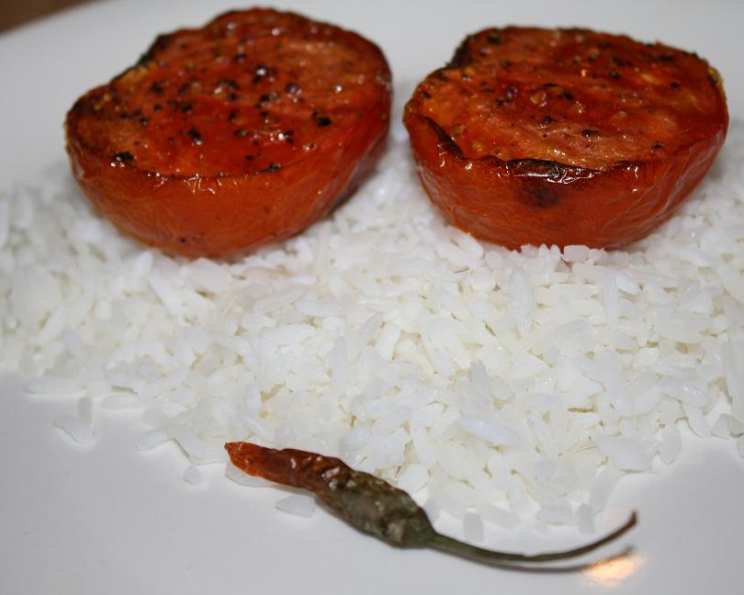
The Soul of the Sufi Table: Mastering Persian Steamed Rice
The aroma alone transports me back to my Aunt Shireen’s kitchen in Tehran. I remember huddling around the sofreh, a cloth spread on the floor laden with fragrant dishes, the centerpiece always being a mountain of fluffy, pearly white rice. Each grain, perfectly separate and subtly perfumed, was a testament to her patience and skill. More than just a staple, the rice was a symbol of hospitality, generosity, and the warmth of family gathered together. It was the bedrock of every delicious stew, kebab, and vegetable dish, soaking up the flavorful sauces and bringing harmony to the meal.
Recipe Overview
- Prep Time: 15 minutes
- Cook Time: 43 minutes
- Total Time: 58 minutes
- Servings: 6-8
- Yield: Approximately 6 cups cooked rice
- Dietary Type: Gluten-Free
Ingredients
- 3 cups basmati rice
- 1 tablespoon salt
- 6 cups water
- 4 tablespoons unsalted butter, cut into small pieces
Equipment Needed
- Large bowl
- Strainer
- Deep, nonstick saucepan with a tight-fitting lid
- Clean kitchen towel
- Fork
Instructions
-
Begin by preparing the basmati rice. Place it in a large bowl and add cold water to cover by about 3 inches.
-
Using your fingers, gently swirl the rice around in the water until the water becomes cloudy with starch. This is an important step to remove excess starch and prevent the rice from becoming sticky.
-
Pour the rice and cloudy water through a strainer to drain.
-
Repeat the rinsing process, adding fresh cold water and swirling, until the water remains relatively clear. This typically takes 4 to 6 rinsings. The goal is to remove as much surface starch as possible.
-
Once the rice is rinsed, transfer it to a deep, nonstick saucepan. Add the salt and the 6 cups of water.
-
Place the saucepan over high heat and bring the mixture to a boil. Watch carefully, as it can boil over easily.
-
Once boiling, reduce the heat to medium and simmer the rice gently, uncovered, for approximately 18 minutes. The rice will gradually absorb the water.
-
Continue to simmer until all the water has been absorbed by the rice. You’ll notice that the surface of the rice will appear slightly dry, with small holes forming as steam escapes.
-
Once the water is fully absorbed, reduce the heat to the lowest possible setting.
-
Sprinkle the pieces of unsalted butter evenly over the top of the rice. The butter will melt and add richness and flavor.
-
Now, the crucial steaming step. Take a clean kitchen towel and wrap it securely around the inside of the pot lid. Gather any excess cloth on top of the lid, ensuring that no part of the cloth hangs down near the heat source, as this could be a fire hazard.
-
Place the cloth-covered lid tightly over the rice. The towel will absorb excess steam, preventing the rice from becoming soggy and promoting the formation of a desirable crust, known as tahdig.
-
Steam the rice on the lowest heat setting for 20 minutes. Avoid lifting the lid during this time, as it will release the steam and affect the final texture.
-
After 20 minutes of steaming, remove the pot from the heat and let it stand, covered, for an additional 5 minutes. This allows the steam to redistribute evenly and the rice to settle.
-
Finally, remove the lid and the towel. Gently fluff the rice with a fork, being careful not to crush the grains.
-
Serve immediately and enjoy!
Expert Tips & Tricks
- Achieving Perfect Fluffiness: The key to perfectly fluffy rice is the rinsing process. Don’t skip it! Removing excess starch is crucial.
- Preventing Stickiness: Using a nonstick saucepan is highly recommended to prevent the rice from sticking to the bottom.
- Creating Tahdig: For a crispier tahdig (the golden crust at the bottom), add a thin layer of oil to the bottom of the saucepan before adding the rice and water.
- Adjusting Water: Depending on your stove and the type of basmati rice, you might need to adjust the amount of water slightly. If the rice is still too wet after the initial simmering, simmer for a few more minutes uncovered. If it seems too dry, add a tablespoon or two of water before steaming.
- Flavor Infusions: For added flavor, try infusing the water with saffron threads or a bay leaf during the cooking process. Remember to remove the bay leaf before serving.
Serving & Storage Suggestions
Serve your Persian Steamed Rice immediately while it’s hot and fluffy. It pairs beautifully with a wide variety of Persian stews (khoresh), kebabs, and grilled vegetables. Garnish with fresh herbs like dill or parsley for an extra touch of freshness.
Leftover rice can be stored in an airtight container in the refrigerator for up to 3 days. To reheat, add a tablespoon of water to the rice, cover, and microwave on low power until heated through. You can also reheat it in a saucepan on the stovetop over low heat.
Nutritional Information
| Nutrient | Amount per Serving | % Daily Value |
|---|---|---|
| Calories | 410 kcal | |
| Calories from Fat | 93 kcal | |
| Total Fat | 10.4g | 15% |
| Saturated Fat | 5.4g | 27% |
| Cholesterol | 20.4mg | 6% |
| Sodium | 1175mg | 48% |
| Total Carbohydrate | 71.5g | 23% |
| Dietary Fiber | 3.2g | 12% |
| Sugars | 0.8g | |
| Protein | 7.4g | 14% |
Note: Nutritional information is an estimate and may vary based on specific ingredients and serving sizes.
Variations & Substitutions
- Brown Basmati Rice: While traditional Persian rice is made with white basmati, you can substitute brown basmati rice for a nuttier flavor and added fiber. You’ll likely need to increase the cooking time and water slightly.
- Vegan Butter: Substitute vegan butter for the unsalted butter. Ensure the vegan butter is of good quality for best flavor.
- Saffron Infusion: Add a pinch of saffron threads soaked in a tablespoon of hot water to the rice after it’s cooked and before steaming for a vibrant color and aroma.
- Herbaceous Rice: Stir in finely chopped fresh dill, parsley, or cilantro after fluffing the rice for a burst of fresh flavor.
- Garlic Infusion: Add a few cloves of garlic to the water while cooking for a subtle garlic flavor.
FAQs (Frequently Asked Questions)
Q: Why is it so important to rinse the rice?
A: Rinsing removes excess starch, preventing the rice from becoming sticky and clumpy during cooking. It results in separate, fluffy grains.
Q: Can I use regular rice instead of basmati?
A: While possible, basmati rice is preferred for its delicate flavor and fluffy texture. Using regular rice will result in a different texture and may require adjusting the cooking time.
Q: What if I don’t have a nonstick saucepan?
A: A nonstick saucepan is ideal, but if you don’t have one, use a heavy-bottomed saucepan and add a thin layer of oil to the bottom to prevent sticking. Watch carefully and reduce heat if necessary.
Q: How do I know when the rice is done?
A: The rice is done when all the water has been absorbed, the grains are tender but not mushy, and the tahdig (if desired) is golden brown and crispy.
Q: What if the rice burns on the bottom?
A: If you smell burning, immediately remove the pot from the heat and place it in a cold water bath to stop the cooking process. Avoid scraping the burnt rice from the bottom when serving.
Final Thoughts
Mastering Persian Steamed Rice is a journey, not just a recipe. It’s about embracing patience, understanding the nuances of each grain, and connecting with the rich culinary heritage of Persia. Don’t be afraid to experiment, adjust to your own tastes, and most importantly, share this delicious dish with loved ones. Every perfectly cooked grain is a testament to the love and care you put into your cooking, a tradition worth sharing. I encourage you to try this recipe and experience the joy of creating a true centerpiece for your own table. Noosh-e jân! (Bon appétit!)