
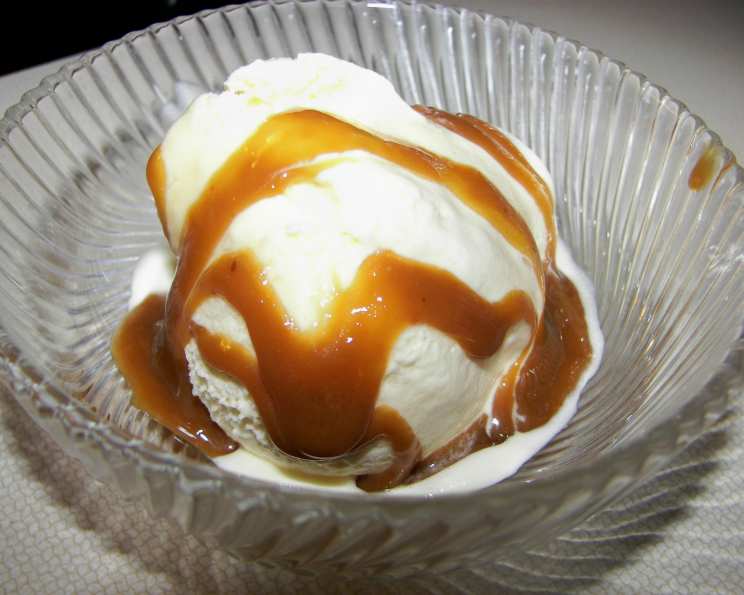
Decadent Peruvian Caramel Sauce: A Sweet Culinary Journey
The first time I tasted Peruvian caramel sauce, or manjar blanco as it’s often called, was during a study abroad trip in Cusco. A street vendor was swirling it onto warm, crispy picarones – Peruvian donuts. The combination of the fried dough and the creamy, rich caramel was pure magic. It was so incredibly different from any caramel I’d ever had before, deeper in flavor and unbelievably smooth. That single bite sparked a lifelong love affair with Peruvian cuisine and especially this treasured sweet. I’ve spent years perfecting my own version, and I’m excited to share my rendition of this unforgettable taste of Peru.
Recipe Overview
- Prep Time: 5 minutes
- Cook Time: 1 hour
- Total Time: 4 hours 5 minutes
- Servings: 8
- Yield: About 2 cups
- Dietary Type: Not suitable for vegans
Ingredients
- 1 (12 ounce) can evaporated milk
- 2 cups milk
- ½ teaspoon baking soda
- 1 ½ cups brown sugar, packed
- ¼ cup water
Equipment Needed
- Large pot or Dutch oven
- Whisk
- Measuring cups and spoons
- Heat-resistant bowl
- Spatula
Instructions
-
Begin by combining the evaporated milk, milk, and baking soda in a medium saucepan. Heat this mixture over medium heat, bringing it to a gentle boil. Once boiling, immediately remove from the heat and set aside. The baking soda helps to prevent the milk from curdling during the long cooking process.
-
In a large, heavy-bottomed pot or Dutch oven, combine the brown sugar and water. Place the pot over low heat, stirring constantly with a spatula or wooden spoon, until the brown sugar is completely dissolved. This step is crucial to prevent graininess in the final product.
-
Once the brown sugar is dissolved, carefully pour in the milk mixture from the saucepan. Be cautious as the mixture may bubble up slightly.
-
Increase the heat to medium-low. The key to perfect Peruvian Caramel Sauce is patience. Cook the mixture uncovered, stirring frequently – almost constantly towards the end – to prevent sticking and burning, until it thickens and turns a rich, golden-brown color. This process will take approximately 1 hour.
-
As the sauce cooks, you’ll notice it gradually changing in both color and consistency. It will start to thicken after about 30-40 minutes, so begin stirring almost constantly from this point to prevent any scorching on the bottom of the pot. Use a heatproof spatula to scrape along the bottom and sides of the pot to ensure even cooking. The color should deepen to a rich, amber hue.
-
The sauce is ready when it has reached a consistency thick enough to coat the back of a spoon. To test, dip a spoon into the sauce and run your finger across the back of the spoon. If the line remains distinct and doesn’t immediately flow back together, the sauce is done. Remember that the sauce will thicken further as it cools.
-
Once the sauce reaches the desired consistency and color, remove the pot from the heat. Pour the hot caramel sauce into a heat-resistant bowl.
-
Cover the bowl with plastic wrap, pressing the wrap directly onto the surface of the sauce to prevent a skin from forming.
-
Refrigerate the caramel sauce for at least 4 hours, or preferably overnight, to allow it to fully cool and thicken. This chilling period is essential for achieving the perfect, smooth texture.
-
After chilling, the Peruvian Caramel Sauce will be significantly thicker and ready to use. Transfer to an airtight container.
Expert Tips & Tricks
- Patience is key: Don’t be tempted to rush the cooking process by increasing the heat. Low and slow is the best way to develop the rich, complex flavor of Peruvian Caramel Sauce.
- Stir, stir, stir: Constant stirring is crucial to prevent sticking and burning, especially during the later stages of cooking.
- Watch the color: The color of the sauce is a good indicator of its doneness. Aim for a deep golden-brown color, but be careful not to let it burn.
- Test for doneness: The spoon test is the most reliable way to determine if the sauce is ready.
- Prevent scorching: If you notice any scorching on the bottom of the pot, immediately transfer the sauce to a clean pot to prevent the burnt flavor from affecting the entire batch.
- Goat’s Milk: While this recipe uses evaporated and regular milk, traditionally manjar blanco is made using goat’s milk, which offers a unique, slightly tangy flavor.
Serving & Storage Suggestions
Peruvian Caramel Sauce is incredibly versatile. Serve it warm or cold, drizzled over ice cream, fruit, waffles, or pancakes. It’s also delicious as a filling for cakes, cookies, or pastries.
- Storage: Store the chilled caramel sauce in an airtight container in the refrigerator for up to 2 weeks.
- Reheating: If you prefer to serve it warm, gently reheat the sauce in a saucepan over low heat, stirring constantly, or microwave in short intervals, stirring in between, until warmed through.
- Freezing: While not ideal, you can freeze Peruvian Caramel Sauce for up to 1 month. Thaw it in the refrigerator overnight before using. Be aware that the texture may change slightly after freezing and thawing.
Nutritional Information
| Nutrient | Amount per Serving | % Daily Value |
|---|---|---|
| Calories | 252.8 kcal | N/A |
| Calories from Fat | N/A | 19% |
| Total Fat | 5.5 g | 8% |
| Saturated Fat | 3.3 g | 16% |
| Cholesterol | 20.9 mg | 6% |
| Sodium | 165.4 mg | 6% |
| Total Carbohydrate | 47.6 g | 15% |
| Dietary Fiber | 0 g | 0% |
| Sugars | 40 g | 160% |
| Protein | 5 g | 9% |
Note: Nutritional information is an estimate and may vary based on specific ingredients and preparation methods.
Variations & Substitutions
- Spiced Caramel: Add a pinch of cinnamon, nutmeg, or cloves to the milk mixture for a warm, spiced variation.
- Vanilla Caramel: Stir in 1 teaspoon of vanilla extract after removing the sauce from the heat.
- Salted Caramel: Sprinkle a pinch of sea salt over the finished sauce for a delightful sweet and salty flavor combination.
- Coffee Caramel: Add 1-2 tablespoons of instant coffee granules to the milk mixture for a coffee-infused caramel.
FAQs (Frequently Asked Questions)
Q: Why is my caramel sauce grainy?
A: Graininess is usually caused by undissolved sugar. Ensure the brown sugar is completely dissolved in the water before adding the milk mixture. Constant stirring during cooking also helps prevent graininess.
Q: Can I use regular white sugar instead of brown sugar?
A: While you can, brown sugar contributes a richer, more molasses-like flavor that is characteristic of Peruvian Caramel Sauce. Using white sugar will result in a lighter-colored and less flavorful sauce.
Q: How do I fix burnt caramel sauce?
A: If you notice the sauce is burning, immediately transfer it to a clean pot, leaving behind any scorched bits at the bottom. The burnt flavor can be very strong, so it’s best to salvage what you can.
Q: My caramel sauce is too thick. What can I do?
A: If the sauce is too thick after chilling, gently reheat it over low heat, stirring in a tablespoon or two of milk until it reaches the desired consistency.
Q: Can I use non-dairy milk?
A: While traditional manjar blanco is made with dairy milk, you could experiment with non-dairy alternatives like coconut milk or oat milk. The flavor and texture will be different.
Final Thoughts
Making Peruvian Caramel Sauce may require some patience, but the end result is well worth the effort. Its luxurious flavor and silky smooth texture make it an irresistible treat that you’ll want to drizzle on everything. I encourage you to try this recipe and experience the magic of Peruvian flavors in your own kitchen. Share your creations and any variations you might discover!