
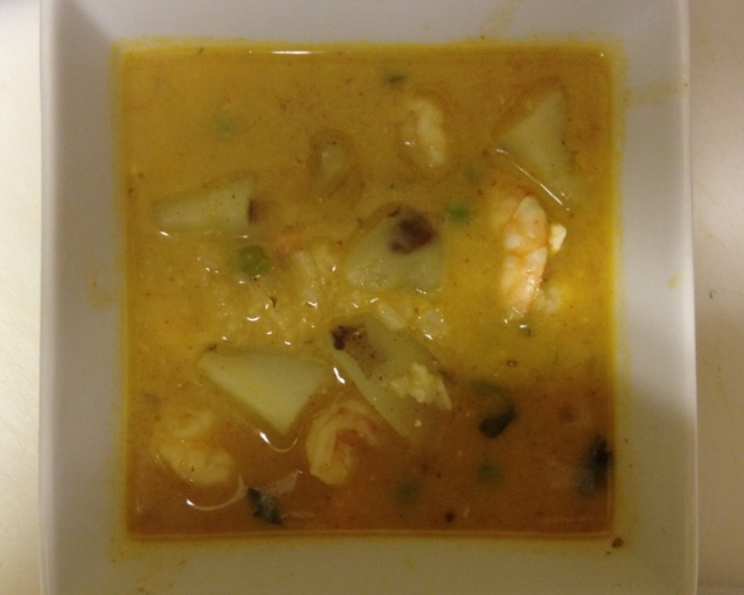
Peruvian Chupe De Camarones: A Taste of Coastal Comfort
The first time I tasted Chupe de Camarones, I was a wide-eyed culinary student volunteering at a Peruvian food festival. The aroma alone – a heady mix of seafood, spice, and creamy goodness – drew me in. I remember the rich, comforting warmth spreading through me with each spoonful, the slight heat from the aji peppers dancing on my tongue. It was more than just soup; it was a glimpse into a vibrant culture, a culinary hug from the Andes to the coast. It was a taste of home, even though I was thousands of miles away from Peru.
Recipe Overview
- Prep Time: 30 minutes
- Cook Time: 40 minutes
- Total Time: 1 hour 10 minutes
- Servings: 6
- Yield: 6 servings
- Dietary Type: Pescatarian
Ingredients
- 2 lbs shrimp, with shells and heads
- 4 cups water (more if necessary)
- 2 tablespoons olive oil
- ½ small red onion, finely chopped
- 1 garlic clove, finely chopped
- 1 tablespoon aji panca chili paste (can substitute tomato paste if necessary)
- 1 teaspoon aji amarillo chili paste
- 1 cup peas, either fresh or frozen
- ¼ cup long-grain white rice
- 1-2 ears of corn, cut into 1 ½-inch chunks
- 1 lb russet potato, peeled and cut into 1 ½-inch chunks
- 1 teaspoon salt (to taste)
- ¼ – ½ cup queso fresco, cut into ½-inch dice
- 1 cup evaporated milk
- 1 tablespoon fresh oregano, chopped
- 3 eggs
Equipment Needed
- Medium saucepan
- Large flameproof casserole dish or Dutch oven
- Fine-mesh strainer
- Blender or immersion blender
Instructions
- Prepare the Shrimp: Begin by removing the heads and shells from the shrimp, then refrigerate the shrimp meat. In a medium saucepan, place the shrimp heads and shells, adding enough water to cover them.
- Simmer the Shrimp Broth: Bring the shrimp shells and water to a boil over medium-high heat. Once boiling, reduce the heat to low and simmer for 15 minutes, allowing the flavors to infuse the water and create a rich broth.
- Sauté the Aromatics: While the shrimp shells are simmering, heat the olive oil in a large flameproof casserole dish or Dutch oven over medium heat. Add the finely chopped red onion and garlic, and cook for about 2 minutes, stirring frequently, until they start to soften and become fragrant.
- Build the Flavor Base: Stir in the aji panca chili paste (or tomato paste if substituting) and the aji amarillo chili paste into the onion and garlic mixture. Reduce the heat to medium-low and continue cooking, stirring often, for approximately 10 minutes, or until the onion is completely softened and the chili pastes have deepened in color and aroma. This step is crucial for developing the complex flavor of the chupe.
- Create the Shrimp Stock: Carefully puree the shrimp shells and the cooking liquid in a blender or using an immersion blender. Be cautious when blending hot liquids!
- Strain the Broth: Strain the pureed shrimp mixture through a fine-mesh strainer into a bowl. Reserve the liquid (this is your flavorful shrimp broth) and discard the solids. Measure out the strained liquid and add enough water to it to reach a total of 4 cups of broth. This will be the base of your chupe.
- Combine and Simmer: Add the shrimp broth to the onion and chili paste mixture in the casserole dish. Bring the mixture to a boil over medium-high heat. Then, stir in the peas, rice, and chunks of corn. Reduce the heat to low and simmer gently for 10 minutes, allowing the rice to begin to cook.
- Add the Potatoes: Add the peeled and chunked potatoes to the simmering soup, along with salt to taste. Continue to cook until the potatoes and rice are just tender, which should take approximately 10 minutes more. The potatoes should be easily pierced with a fork but not falling apart.
- Incorporate the Shrimp and Cheese: Add the shrimp and queso fresco to the soup. Simmer, stirring occasionally, until the shrimp is just cooked through, which should take about 4 minutes. The shrimp will turn pink when cooked. Be careful not to overcook the shrimp, as it can become rubbery.
- Enrich with Milk and Herbs: Stir in the evaporated milk and fresh oregano. Continue cooking and stirring. When the soup begins to gently boil again, it’s time to add the eggs.
- Add the Eggs: Gently crack the eggs directly into the soup, spacing them apart so they remain separate. Alternatively, you can beat the eggs together in a bowl before adding them to the soup if you prefer a more evenly distributed egg texture.
- Cook the Eggs: Continue to simmer the soup until the eggs are cooked to your desired doneness. The whites should be set, and the yolks can be runny or firm, depending on your preference.
- Serve and Enjoy: Once the eggs are cooked, the chupe de camarones is ready to be served.
Expert Tips & Tricks
- For an even richer flavor, consider adding a splash of dry white wine to the onion and chili paste mixture after sautéing. Let it reduce for a minute before adding the shrimp broth.
- If you can’t find aji panca or aji amarillo paste, you can use a combination of smoked paprika and a pinch of cayenne pepper for a similar depth of flavor.
- To prevent the shrimp from overcooking, you can poach them separately in the simmering broth for just a few minutes, then add them to the soup right before serving.
- Adjust the amount of chili paste to control the spiciness. Start with a smaller amount and add more to taste.
- For a thicker soup, you can puree a portion of the potatoes before adding the shrimp.
Serving & Storage Suggestions
Serve the chupe de camarones hot, garnished with extra queso fresco and a sprinkle of fresh oregano. A side of crusty bread is perfect for soaking up the flavorful broth.
Leftovers can be stored in an airtight container in the refrigerator for up to 3 days. Reheat gently over low heat on the stovetop, stirring occasionally. Avoid boiling, as this can cause the eggs to become rubbery. Freezing is not recommended, as the texture of the potatoes and eggs can change upon thawing.
Nutritional Information
| Nutrient | Amount per Serving | % Daily Value |
|---|---|---|
| Calories | 366 kcal | – |
| Calories from Fat | 108 kcal | – |
| Total Fat | 12 g | 18% |
| Saturated Fat | 3.6 g | 18% |
| Cholesterol | 296 mg | 98% |
| Sodium | 1337 mg | 55% |
| Total Carbohydrate | 33 g | 11% |
| Dietary Fiber | 4 g | 15% |
| Sugars | 4 g | – |
| Protein | 31 g | 61% |
Variations & Substitutions
- Seafood Medley: Add other types of seafood, such as scallops, mussels, or clams, for a more complex flavor.
- Vegetarian Option: Substitute vegetable broth for the shrimp broth and add more vegetables like carrots, zucchini, or bell peppers. Omit the shrimp and use vegetable protein like tofu or beans.
- Spicy Variation: Add a chopped habanero pepper or a few drops of hot sauce for an extra kick.
- Coconut Milk: Replace the evaporated milk with coconut milk for a dairy-free and slightly sweeter version.
- Adjust Vegetable Profile: Feel free to add more or less of each vegetable to your liking.
FAQs (Frequently Asked Questions)
Q: Can I use pre-cooked shrimp?
A: While you can use pre-cooked shrimp, the flavor will be significantly better if you use raw shrimp and simmer the shells to make the broth. The broth is a key component of this dish.
Q: What if I can’t find queso fresco?
A: If you can’t find queso fresco, you can substitute it with another crumbly, mild cheese like feta or ricotta salata.
Q: Can I make this ahead of time?
A: You can prepare the shrimp broth and sauté the aromatics ahead of time. Store them separately in the refrigerator and combine them when you’re ready to cook the rest of the soup. Add the seafood at the end.
Q: How do I prevent the eggs from overcooking?
A: Gently crack the eggs into the simmering soup and avoid stirring them too much. Cook them until the whites are set but the yolks are still slightly runny for the best texture.
Q: Can I add other vegetables?
A: Absolutely! Feel free to add other vegetables like corn kernels, green beans, or diced tomatoes to customize the soup to your liking.
Final Thoughts
Chupe de Camarones is more than just a soup; it’s an experience. It’s a journey through the flavors of Peru, a comforting embrace in a bowl. I encourage you to try this recipe and experience the magic for yourself. Don’t be afraid to experiment with different variations and make it your own. Share your creations and feedback with friends and family. This dish pairs perfectly with a crisp, dry white wine or a refreshing pisco sour. ¡Buen provecho!